

Connecting Seas conference 13-14 February 2019
About conference
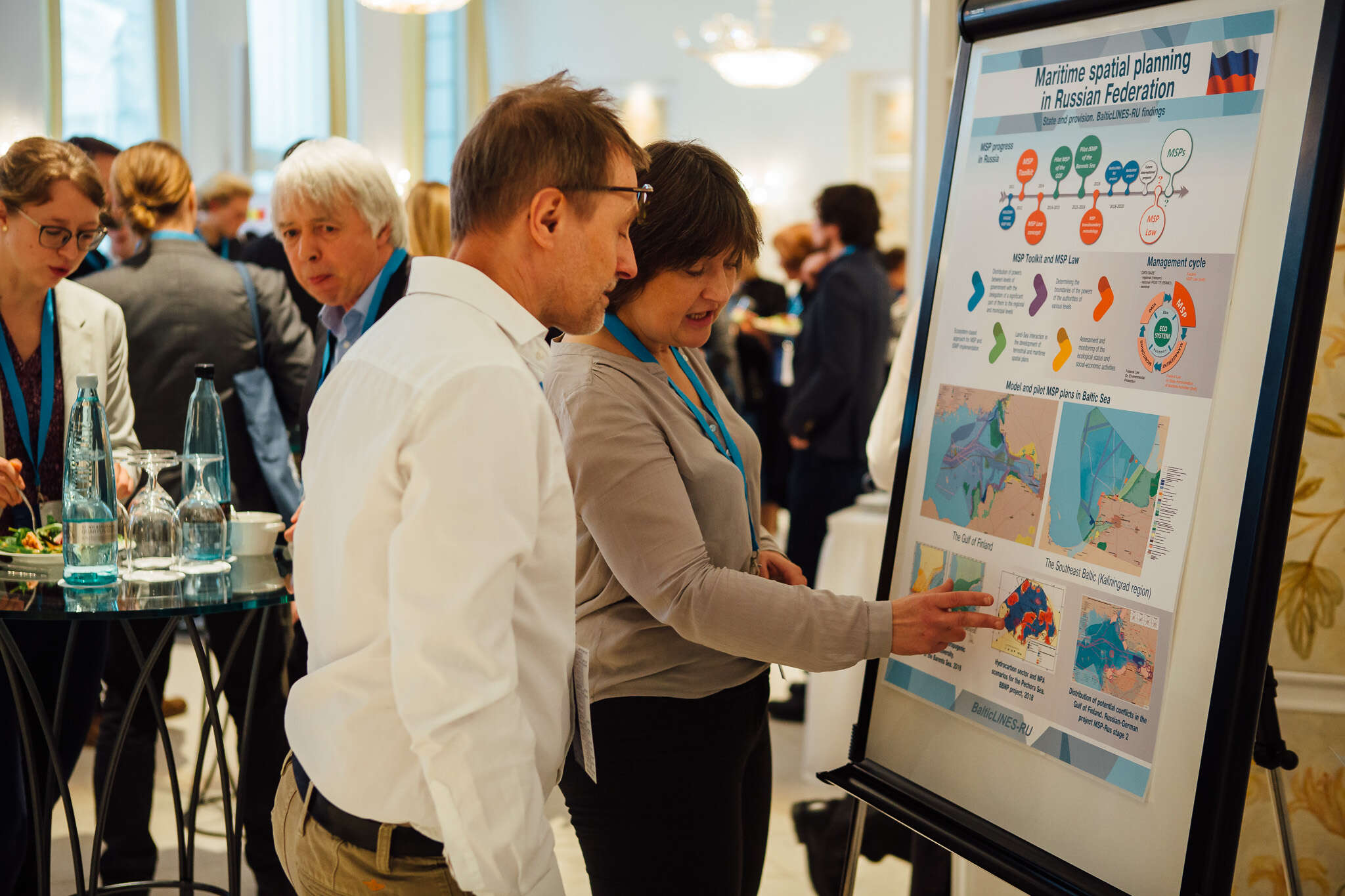
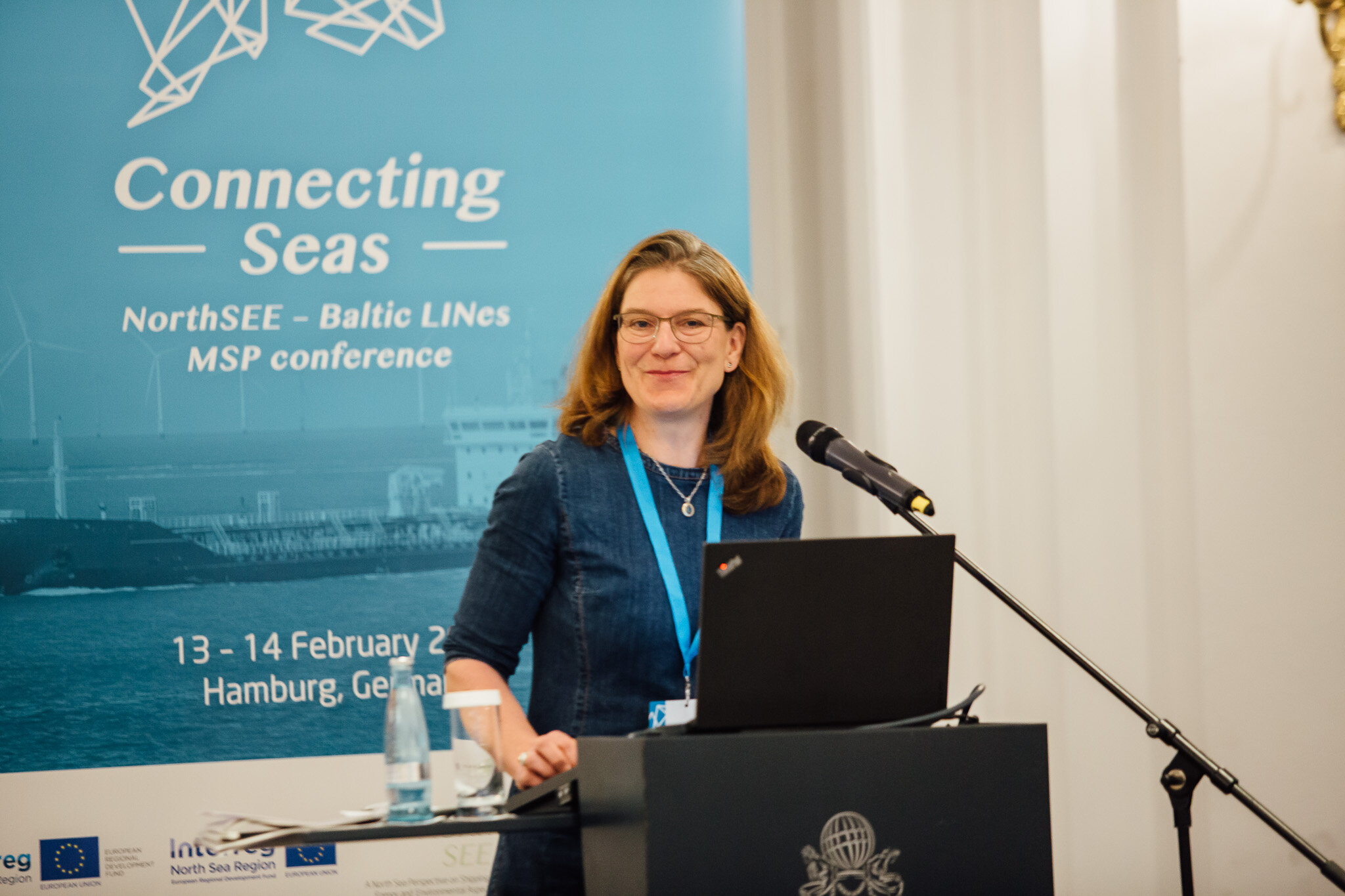
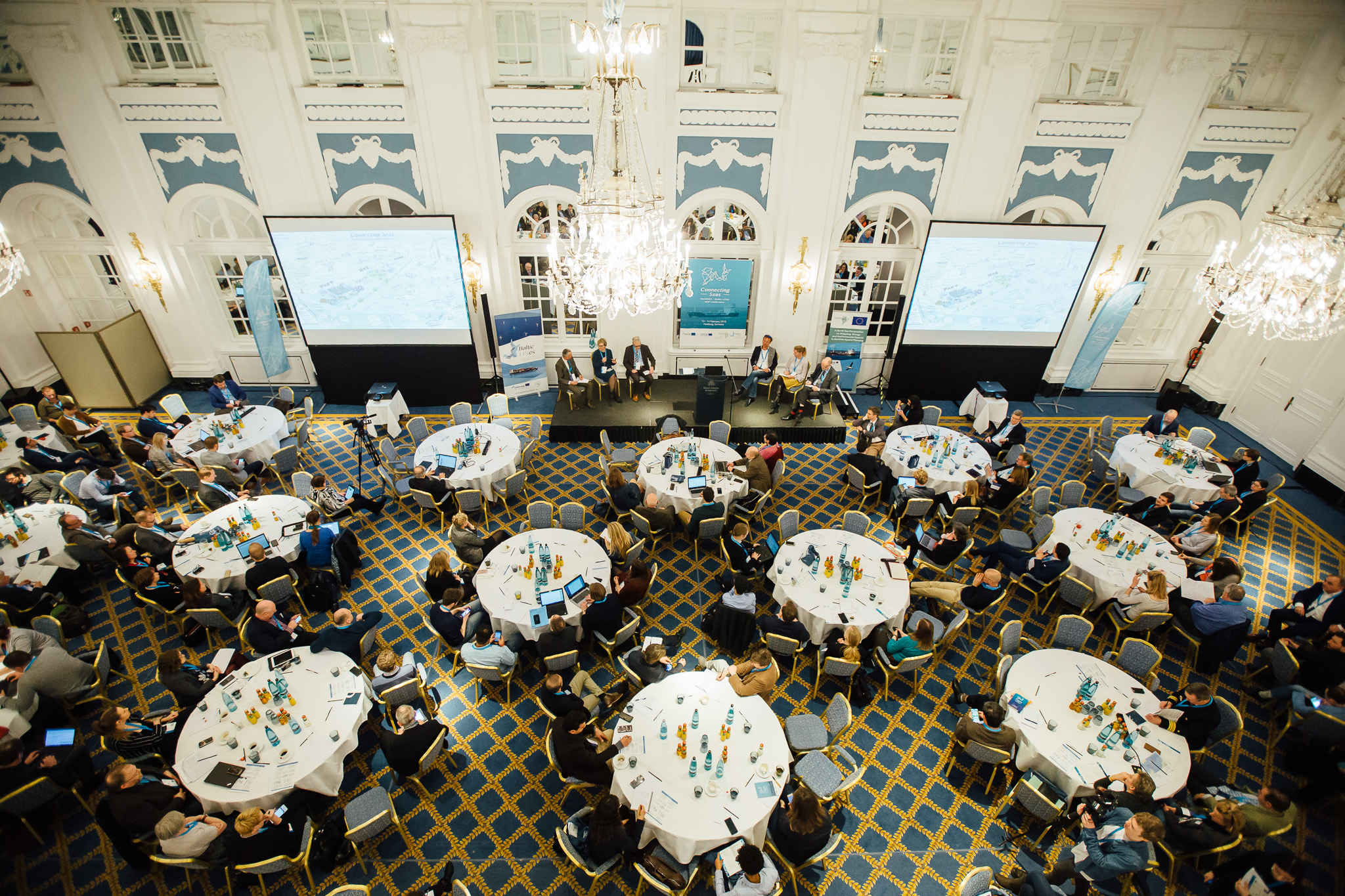
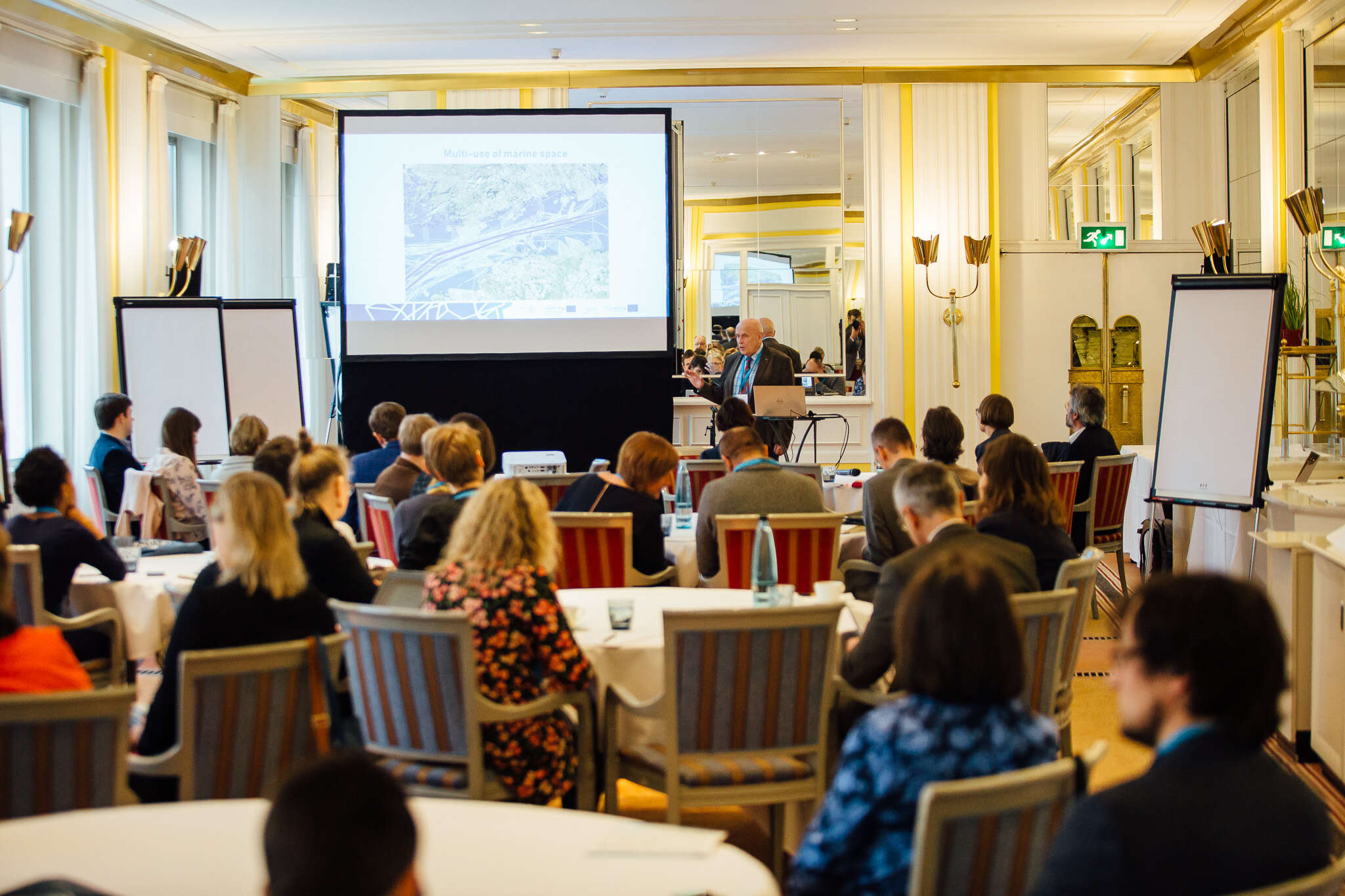
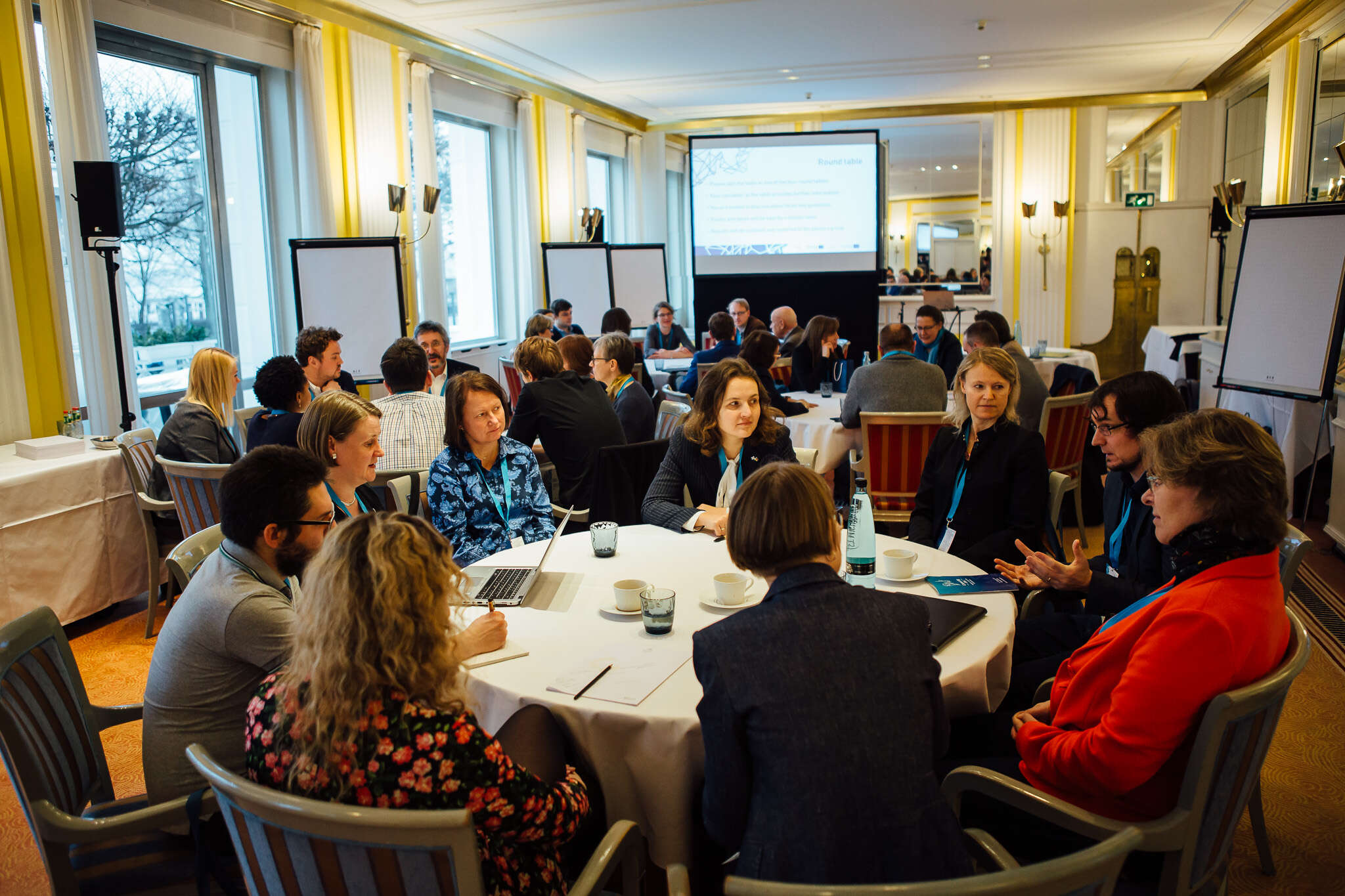
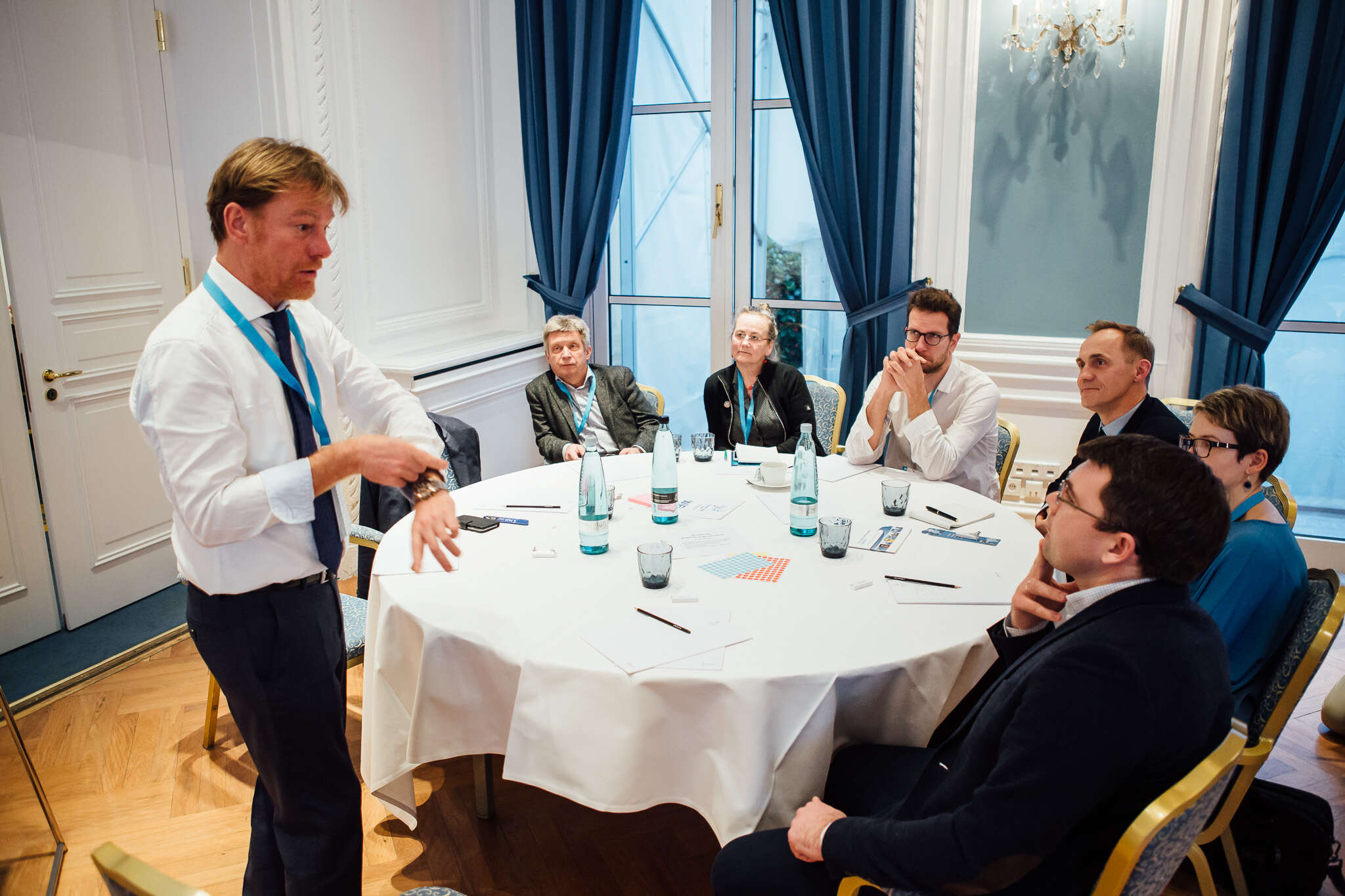
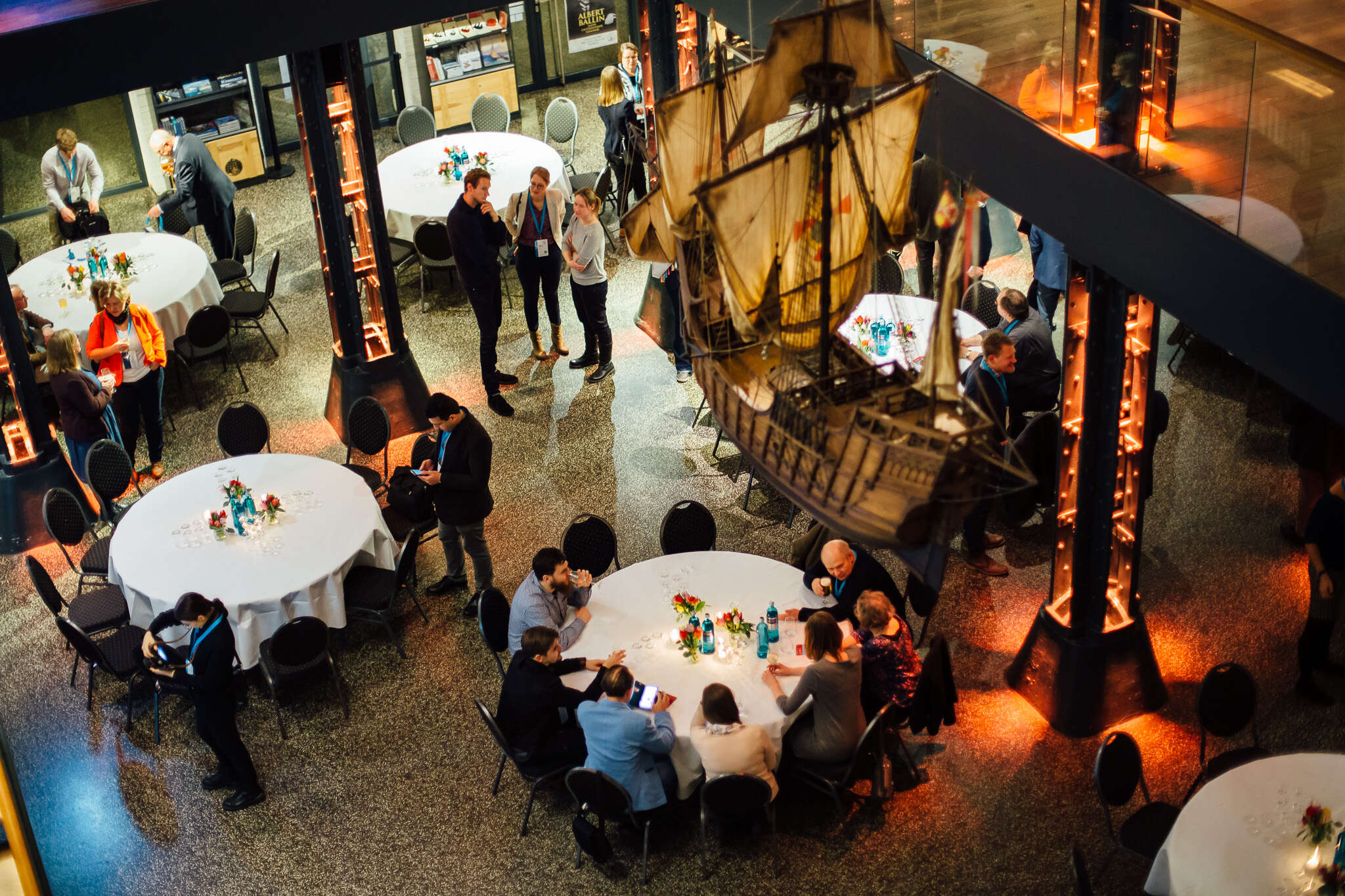
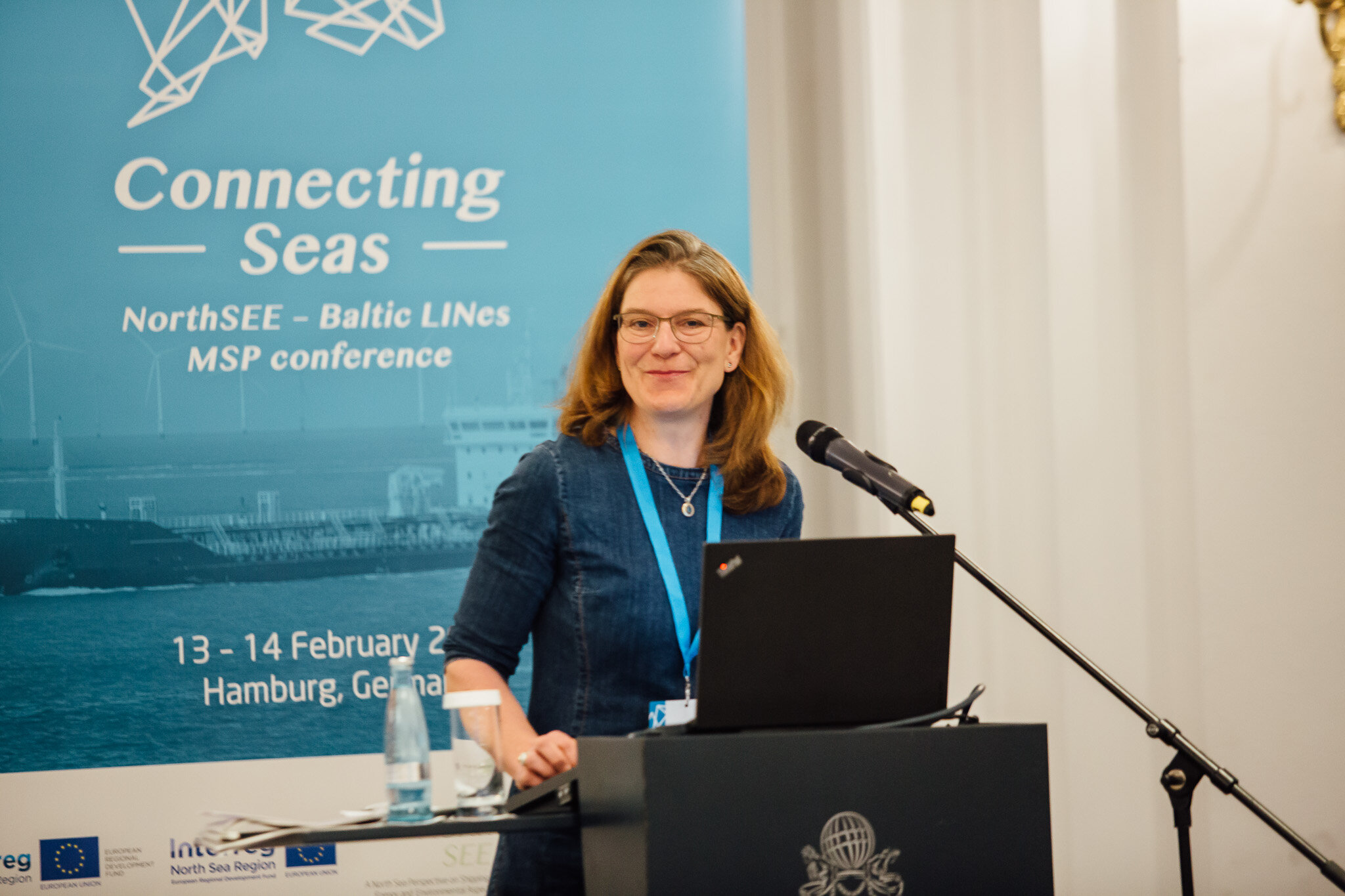
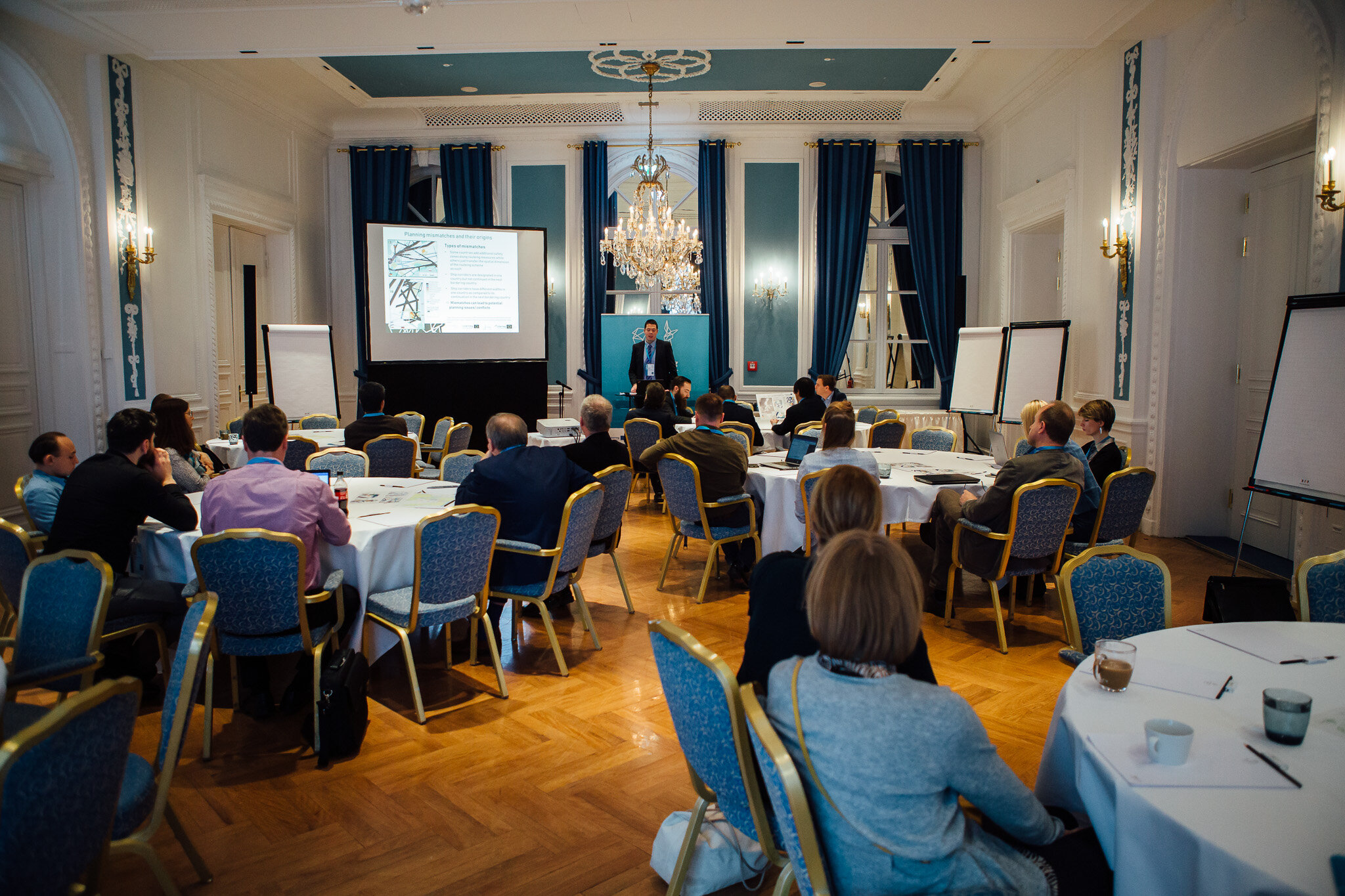
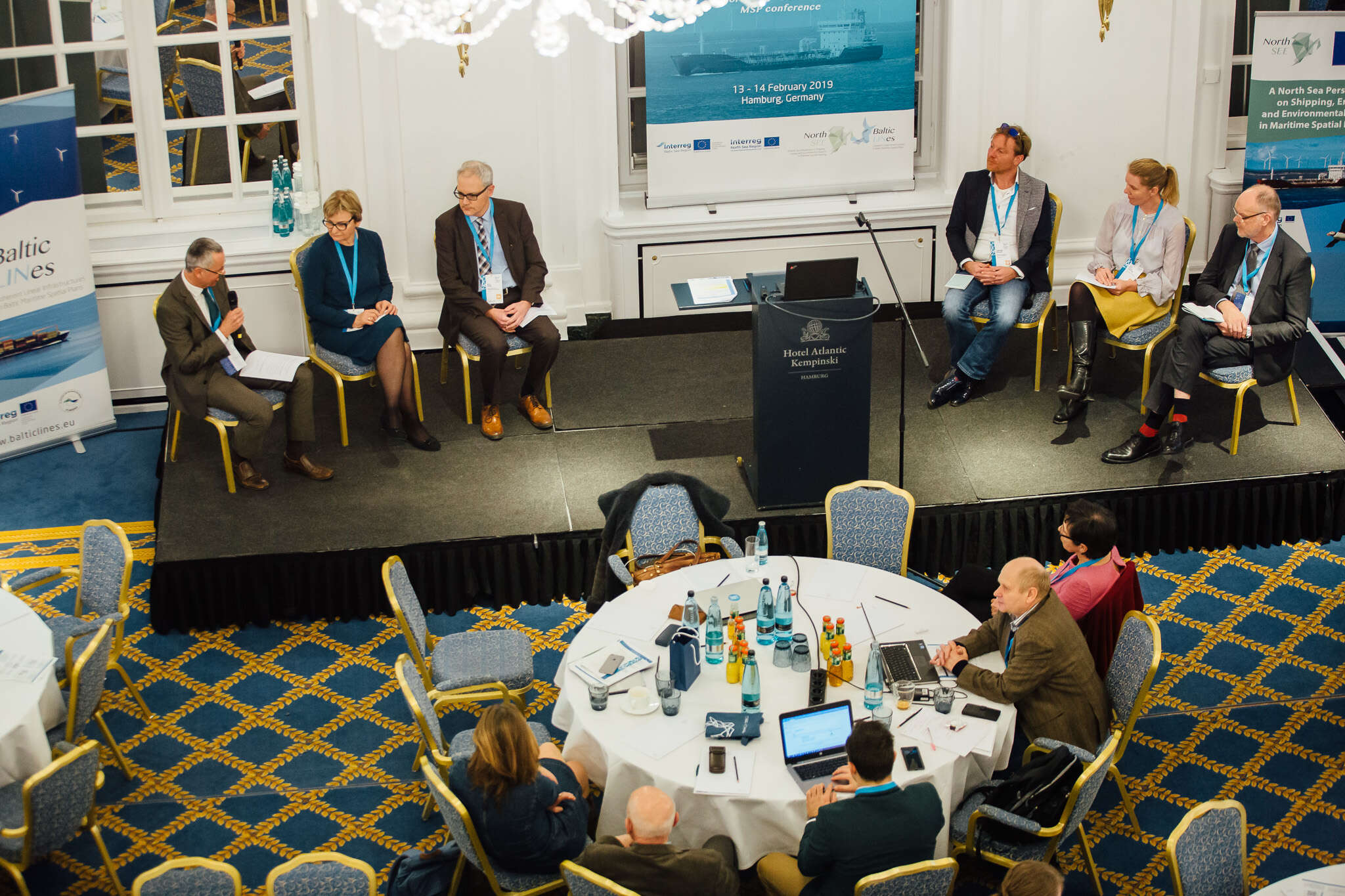
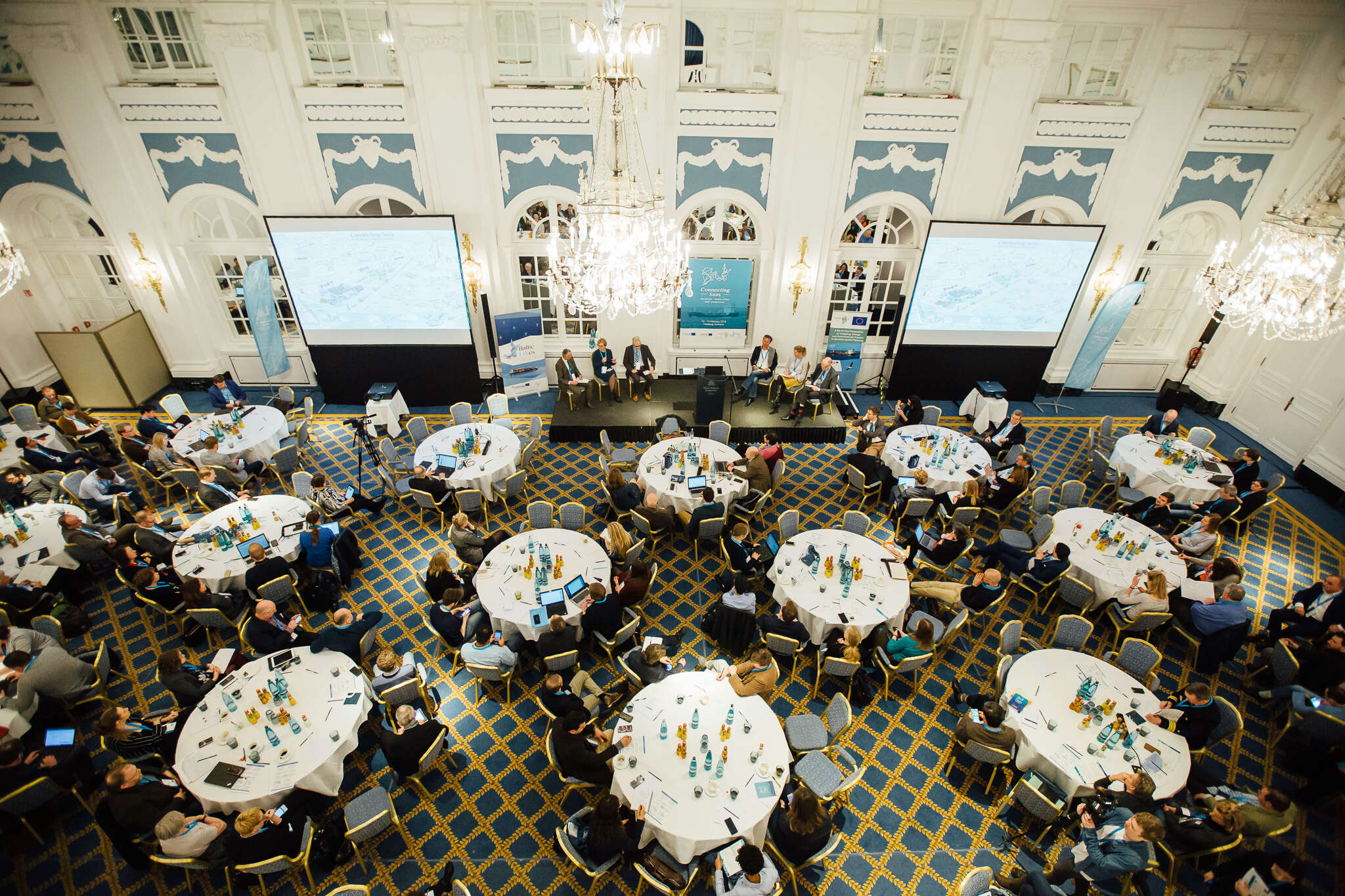
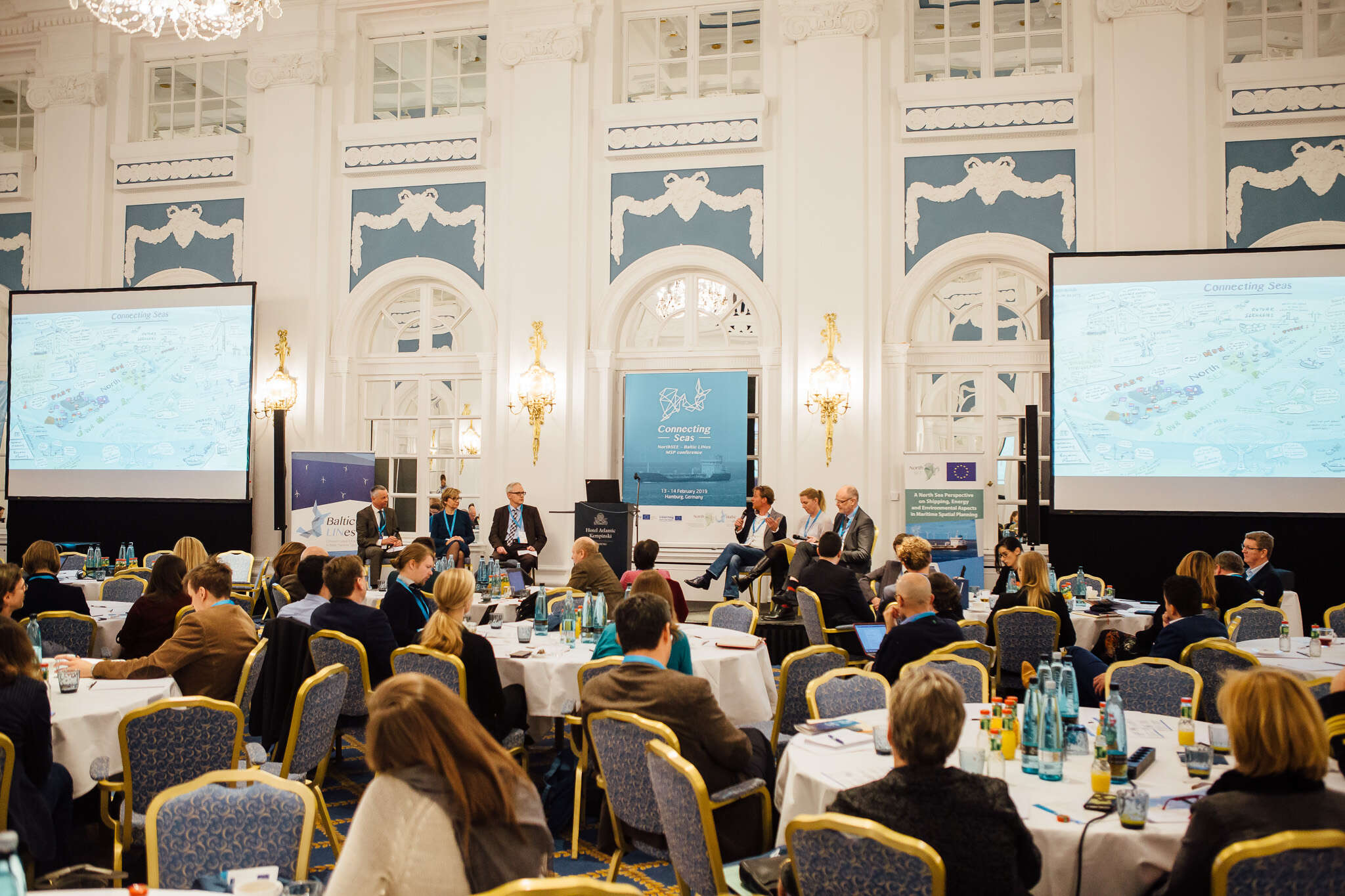
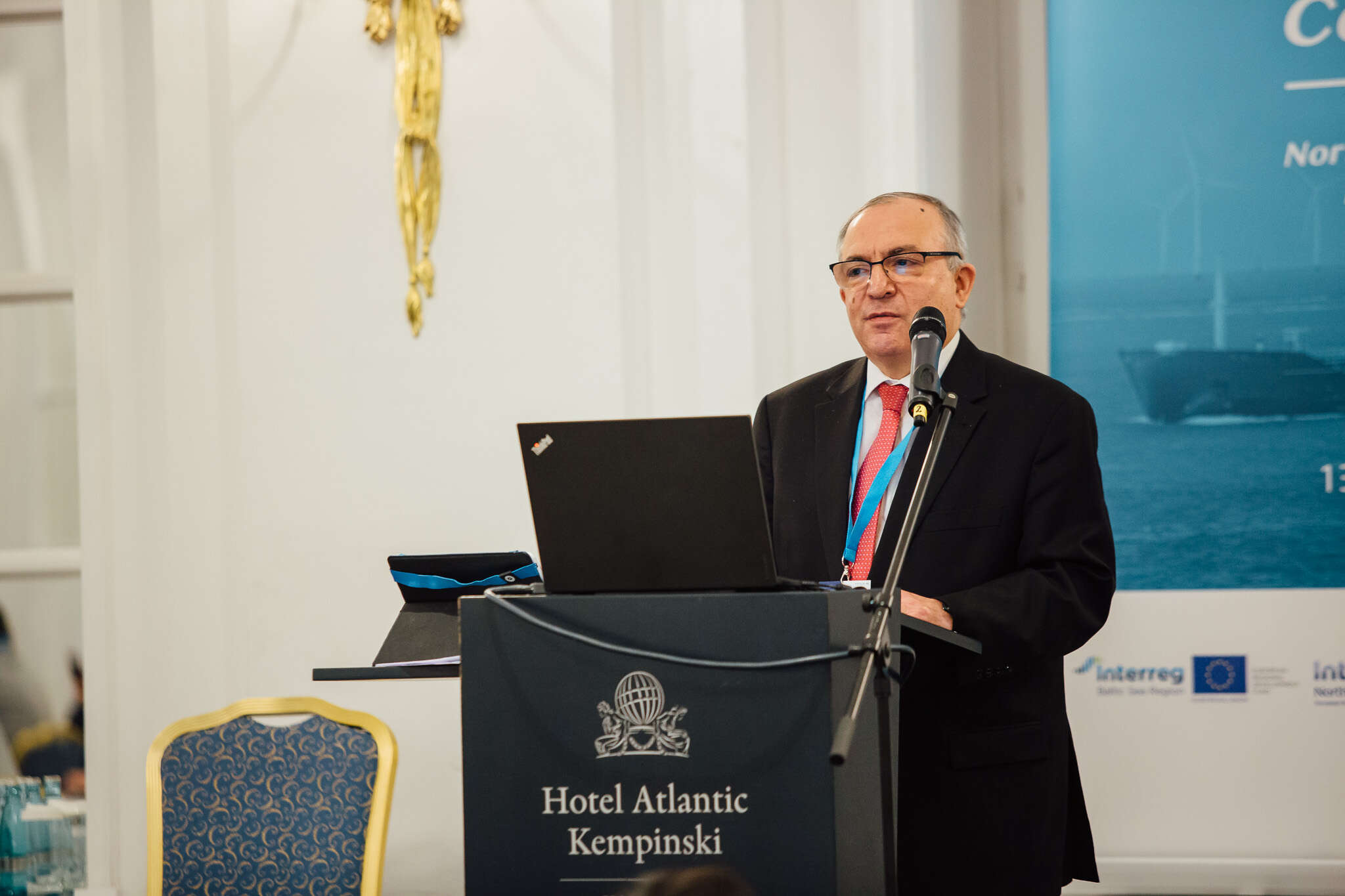
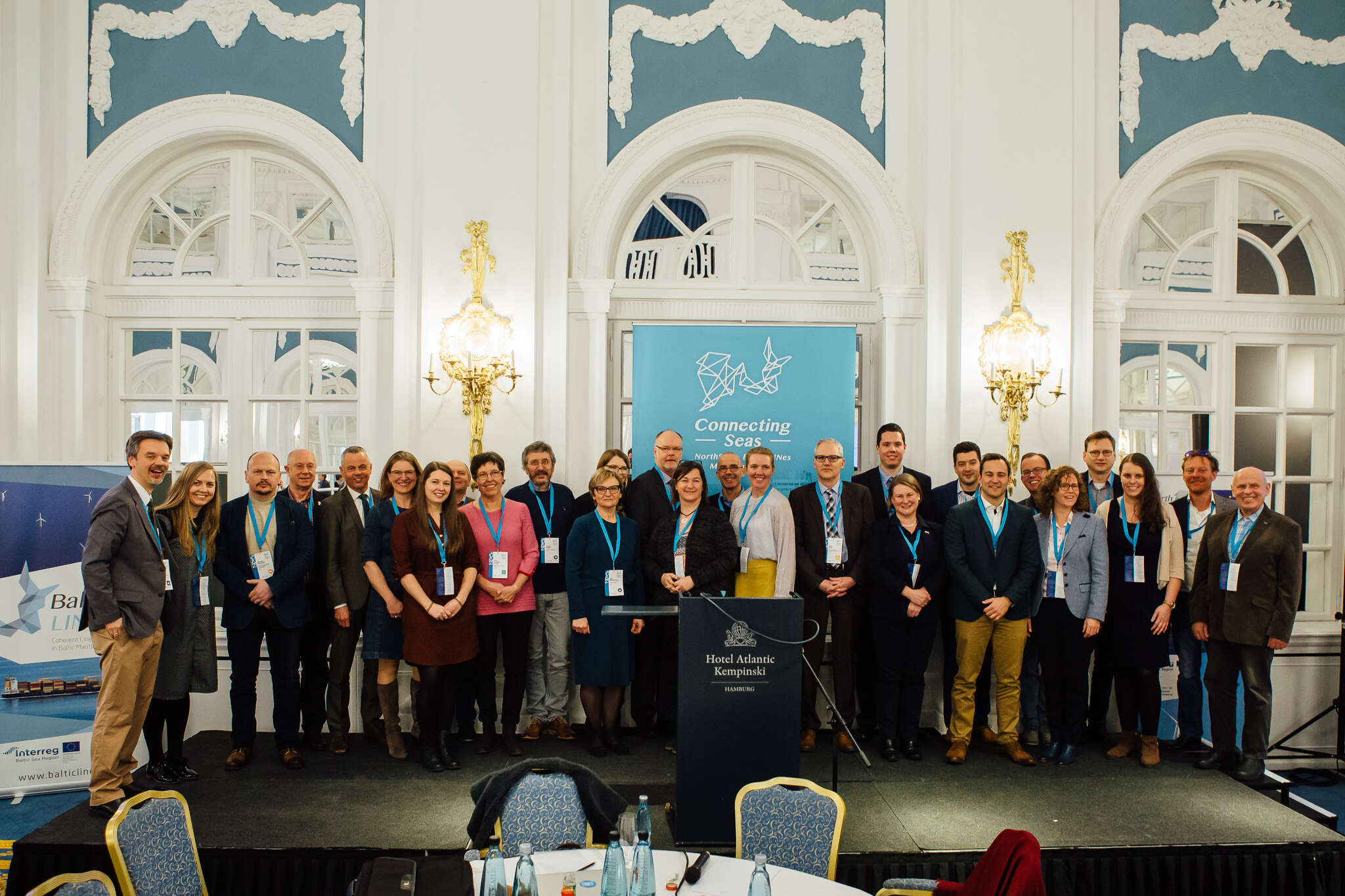
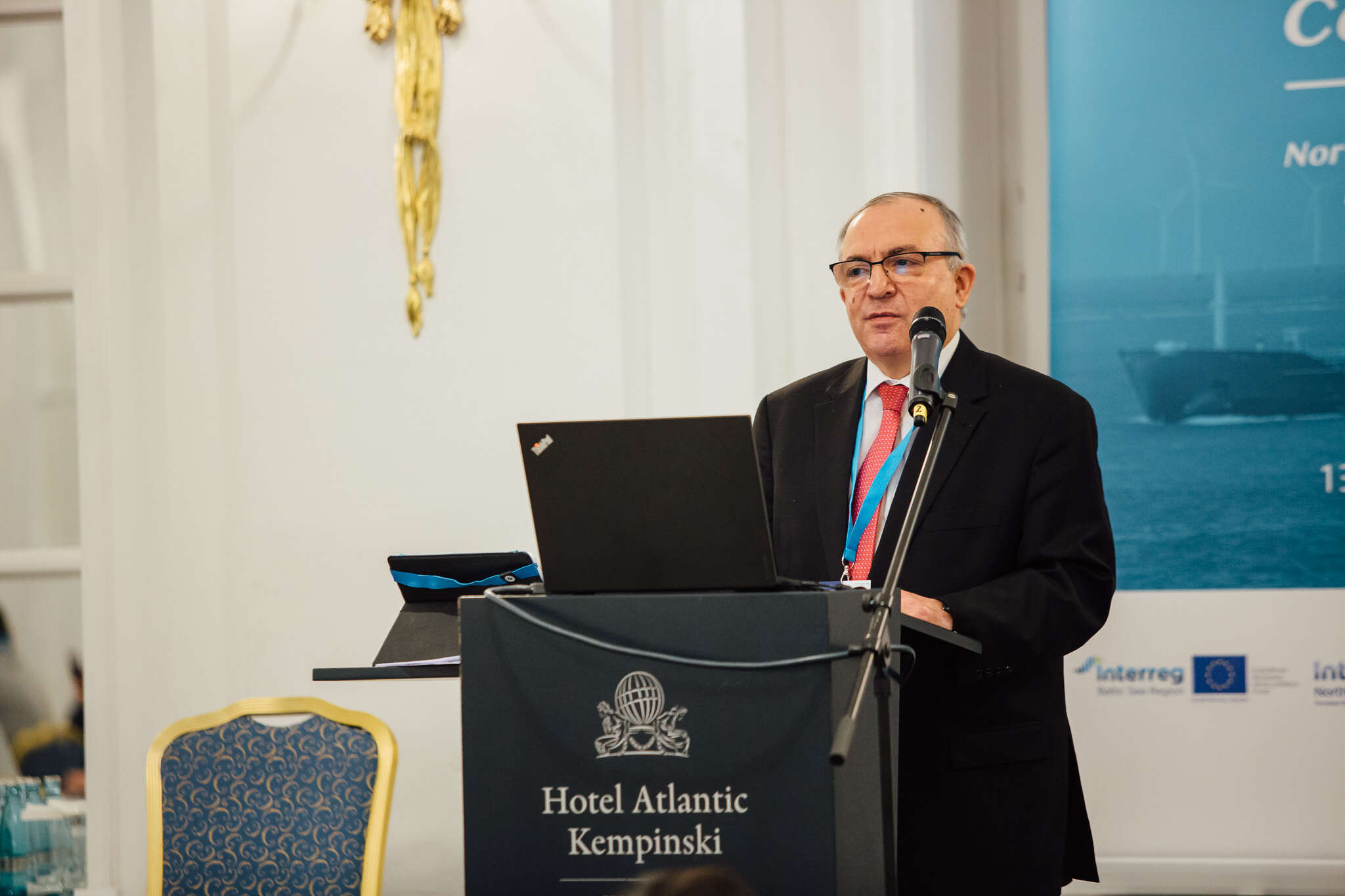
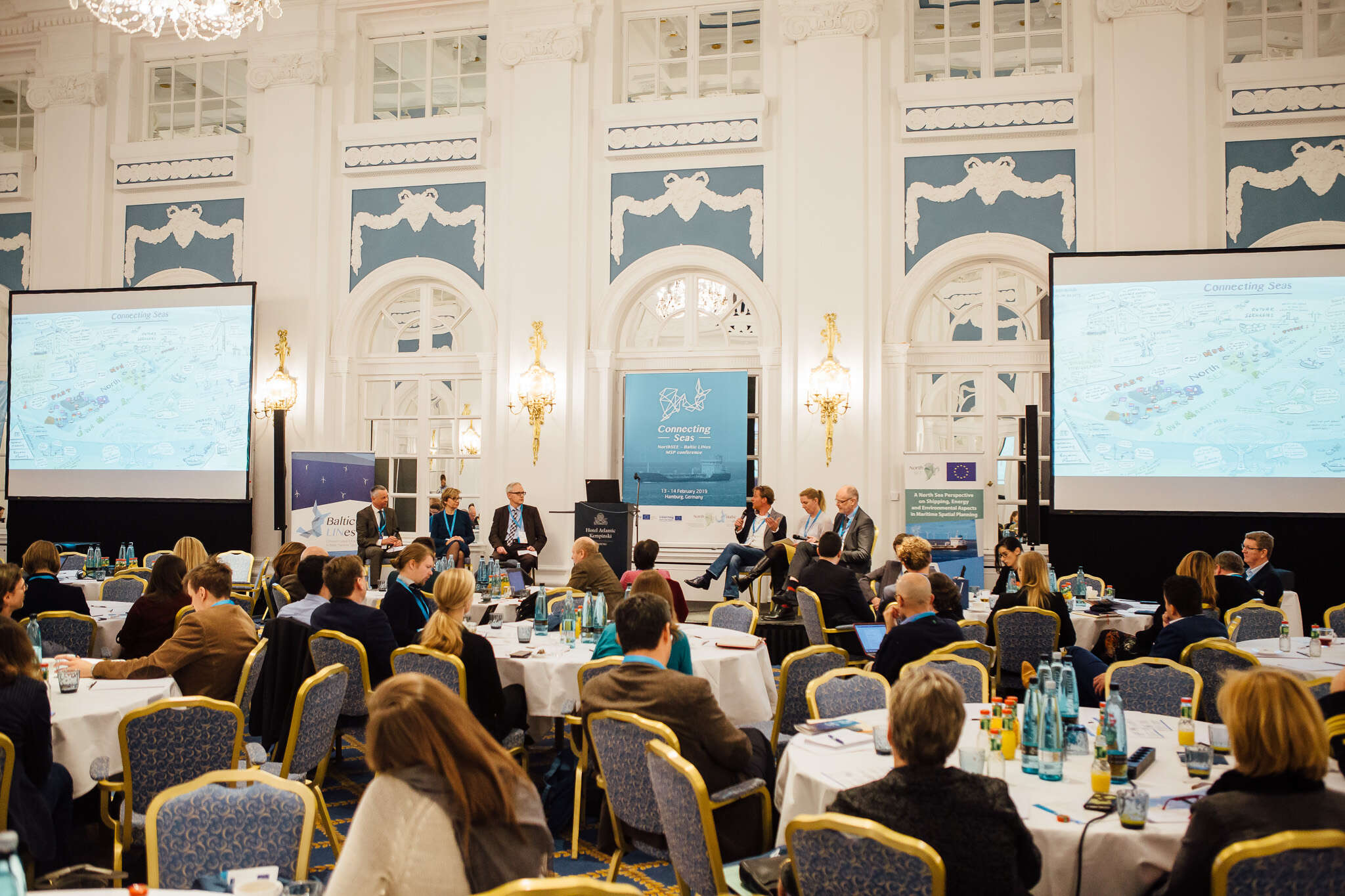
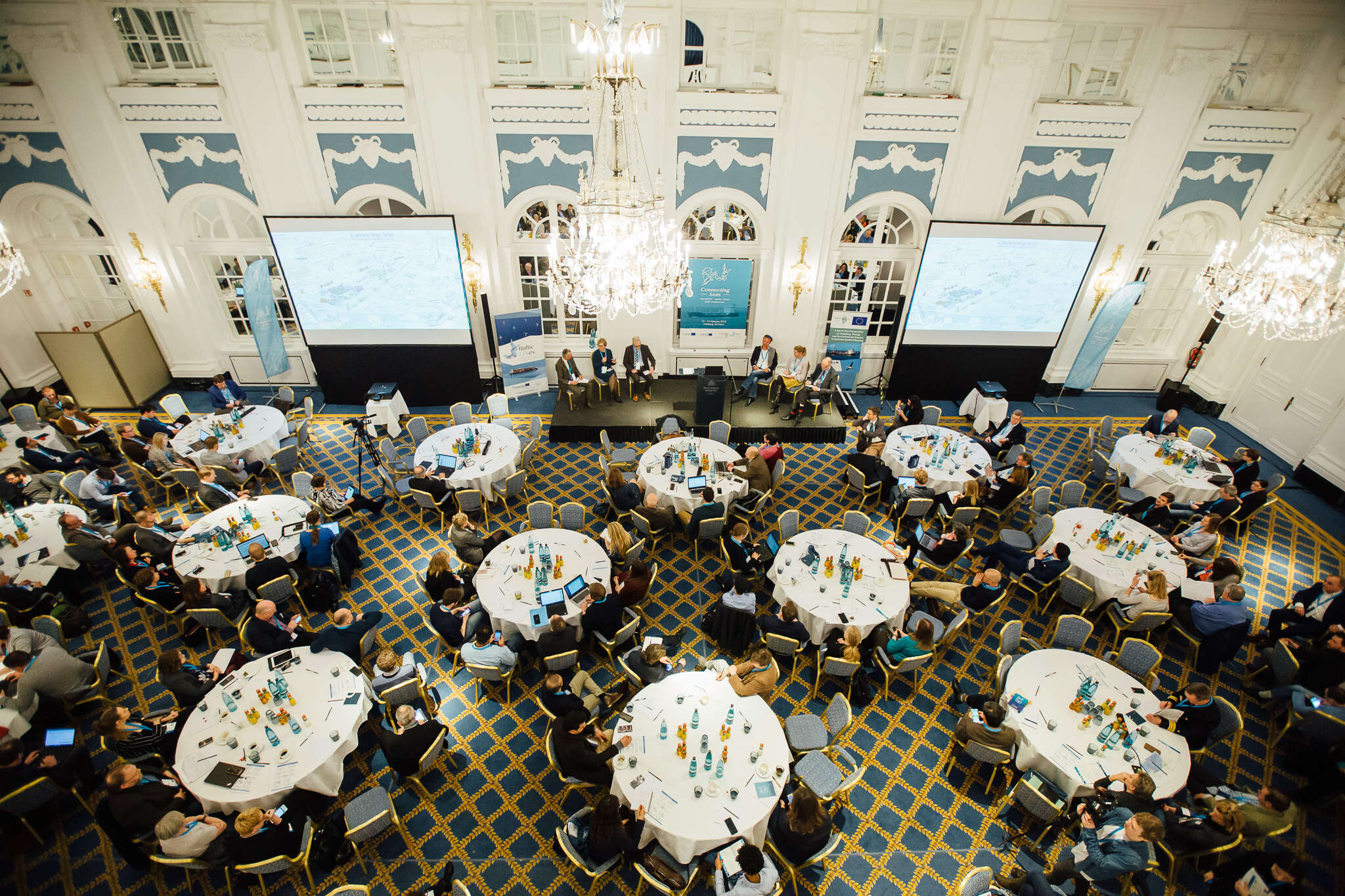
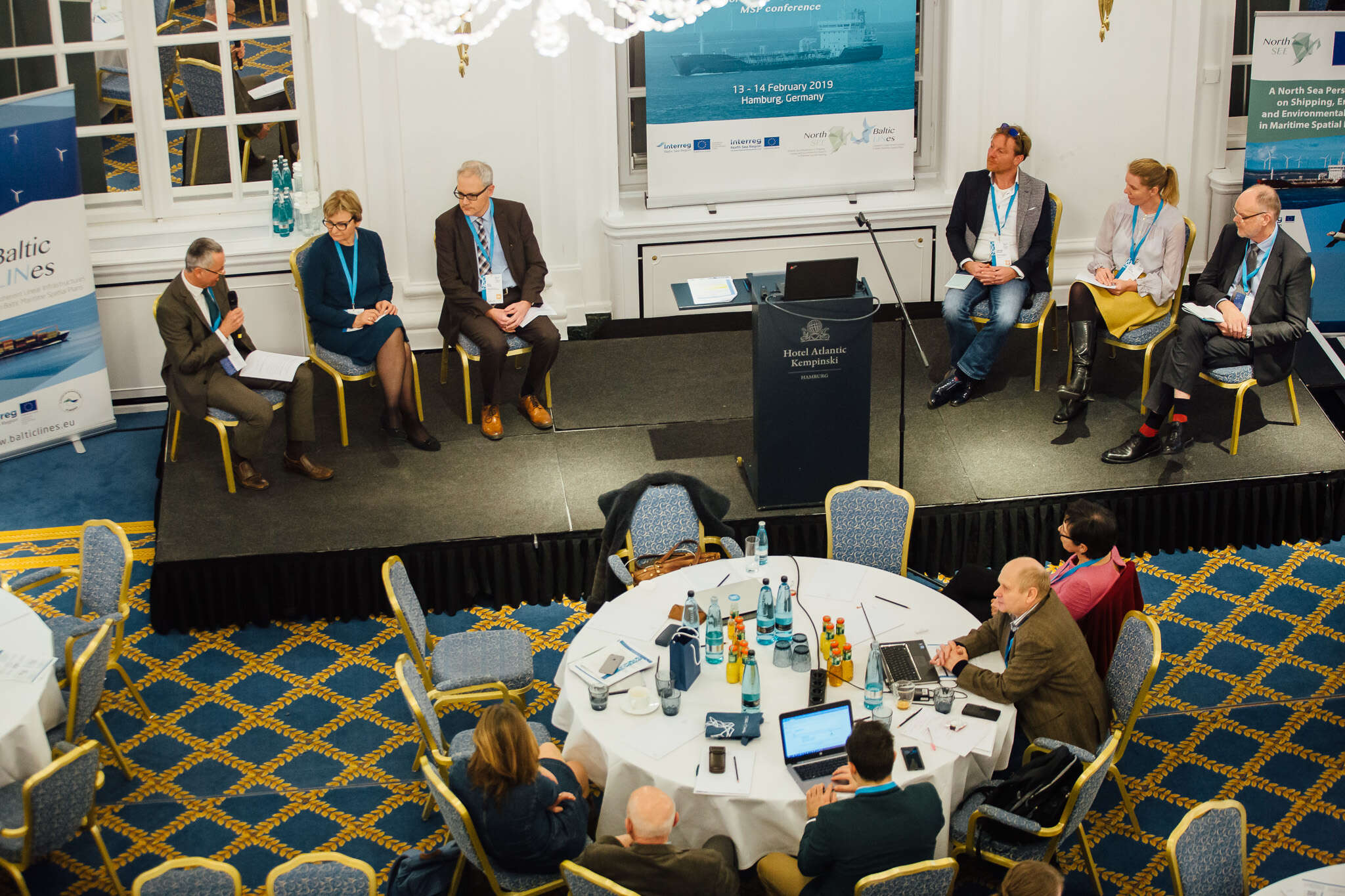
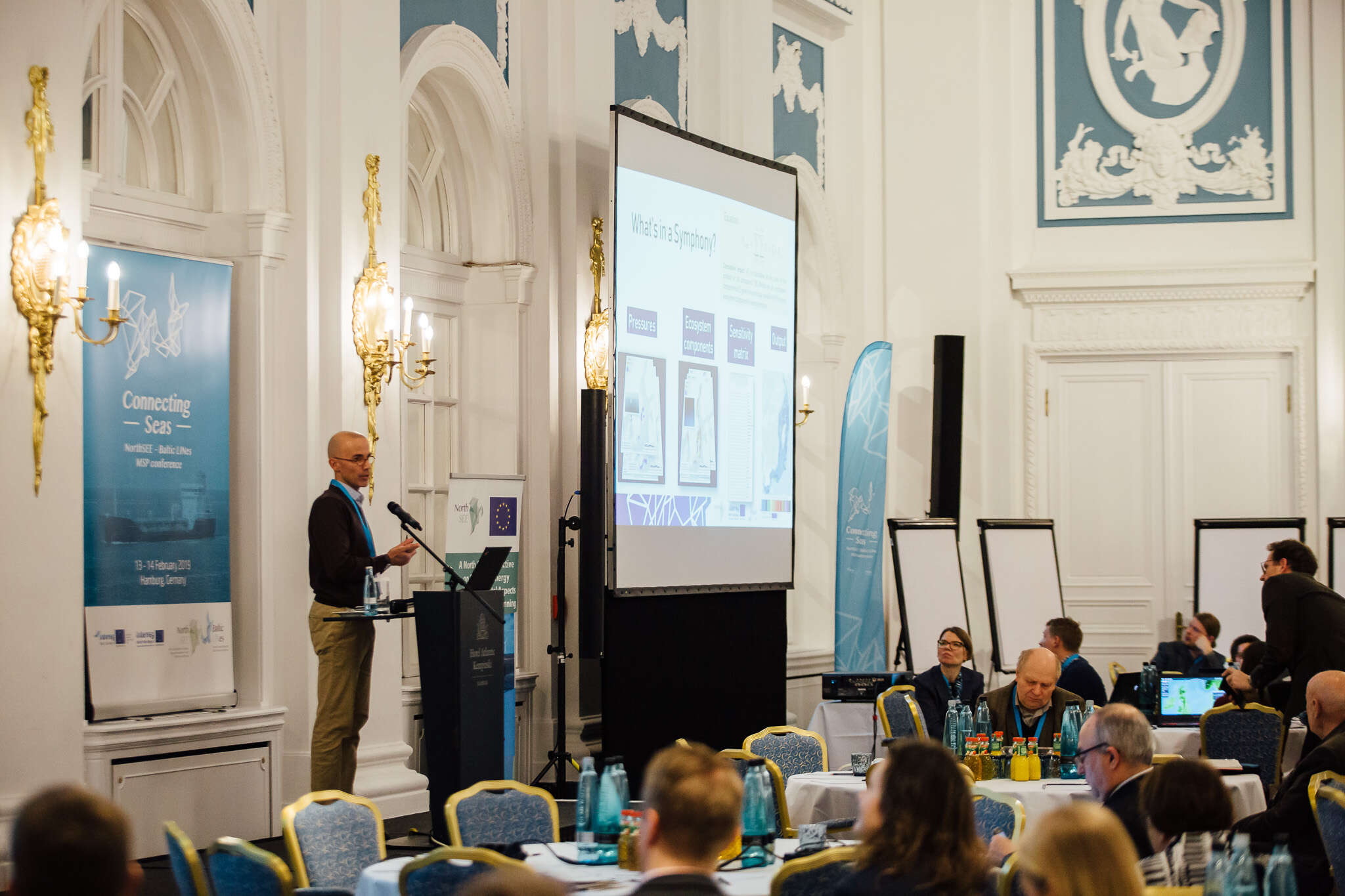
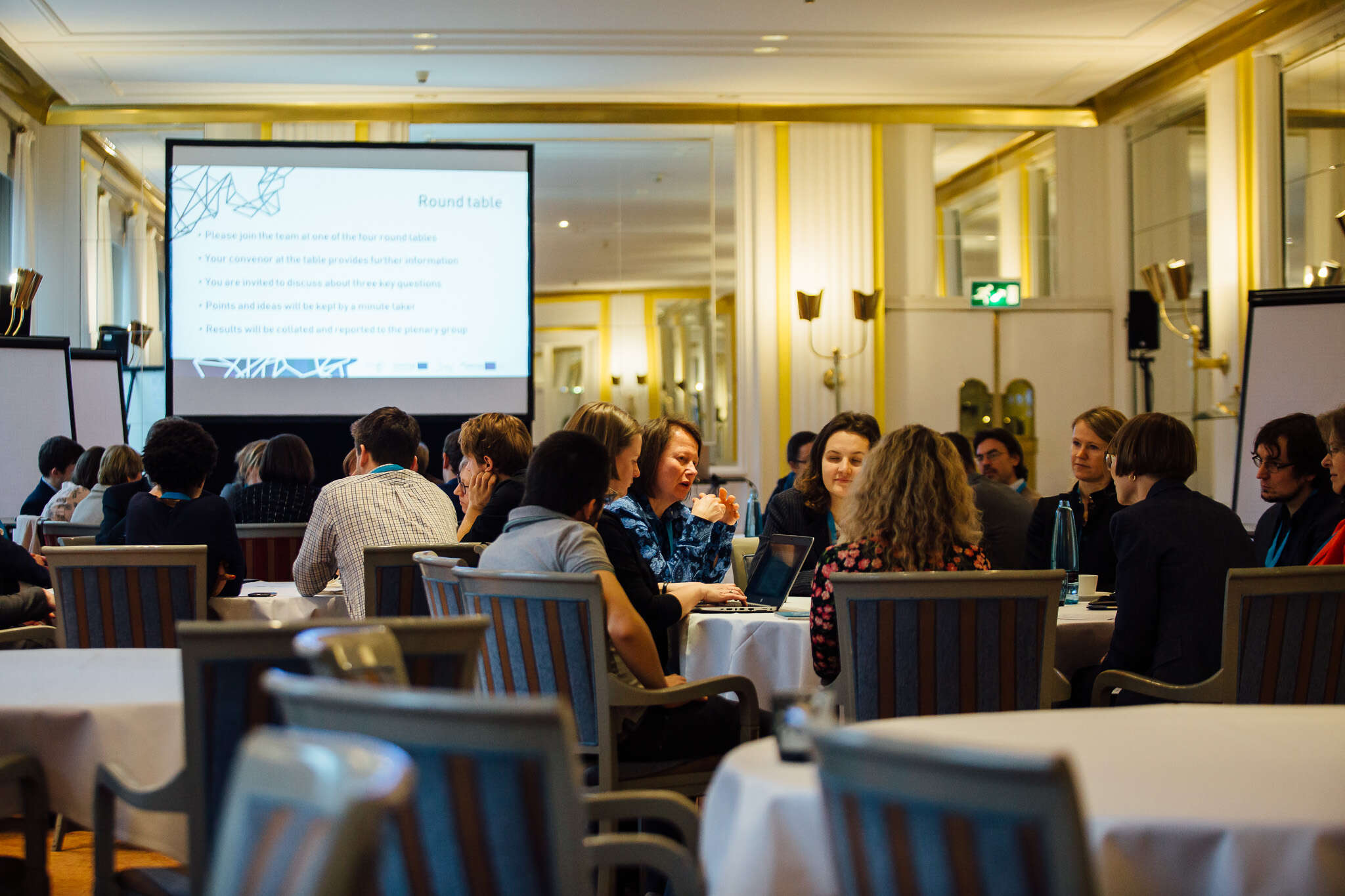
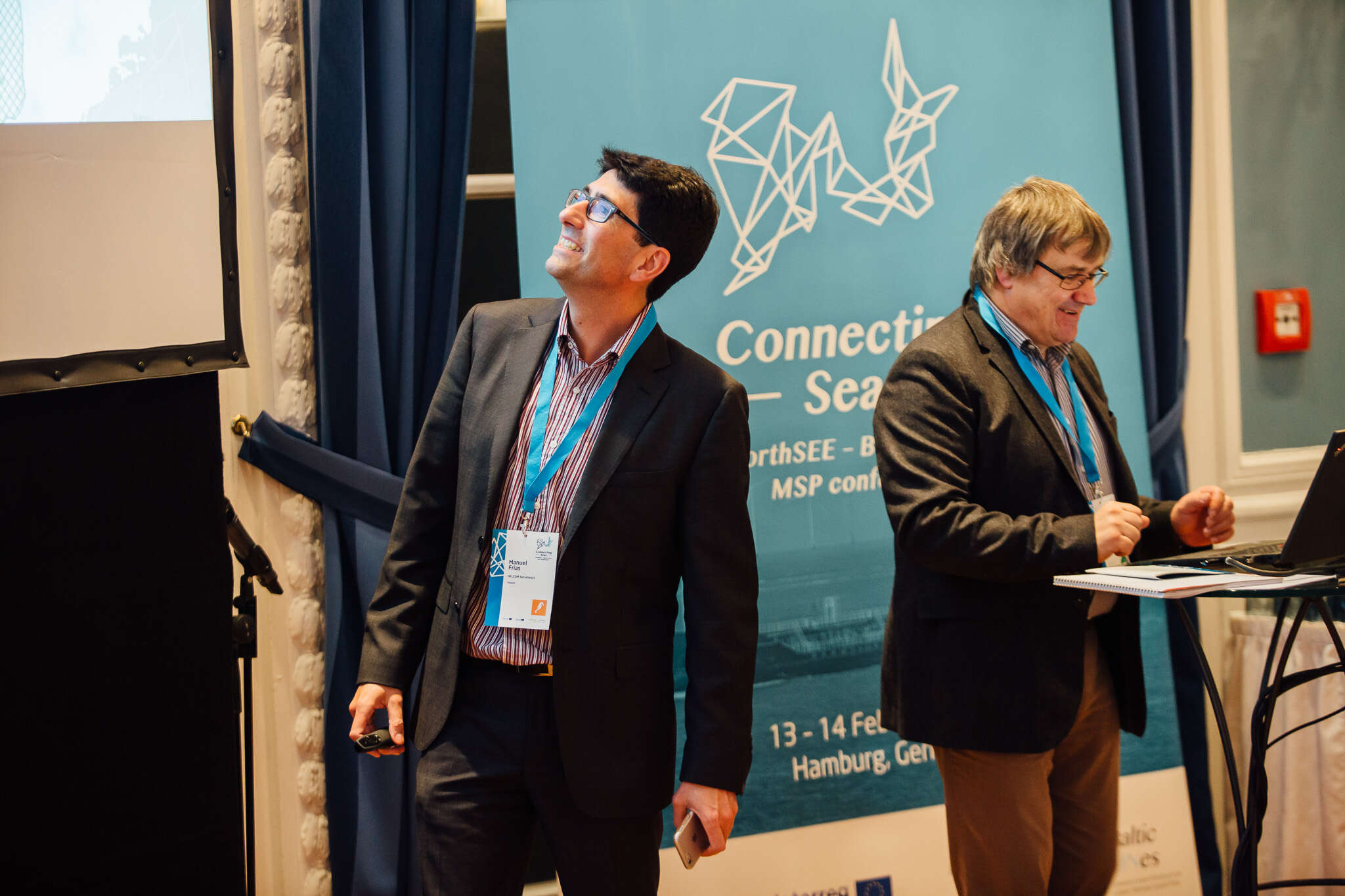
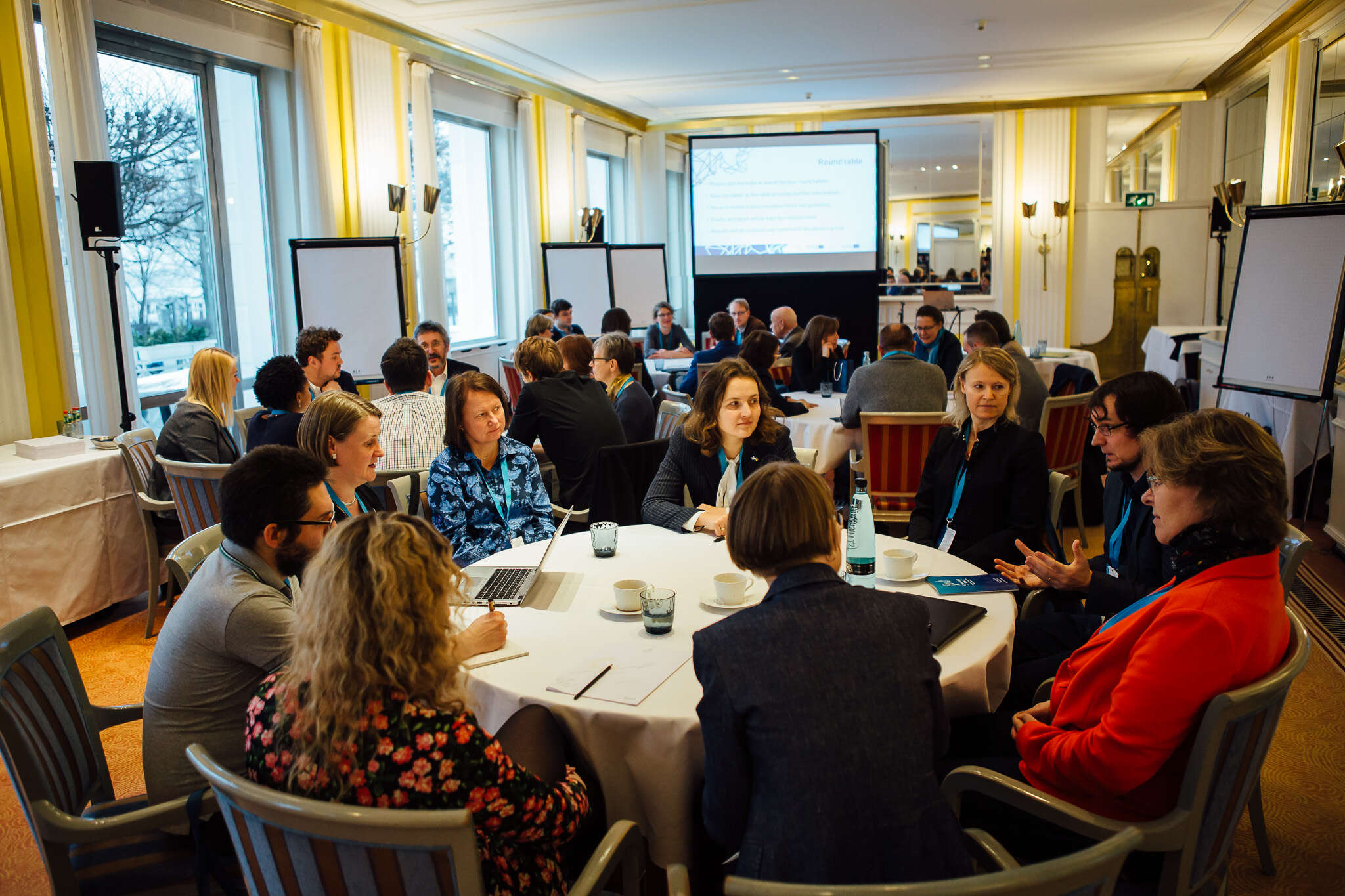
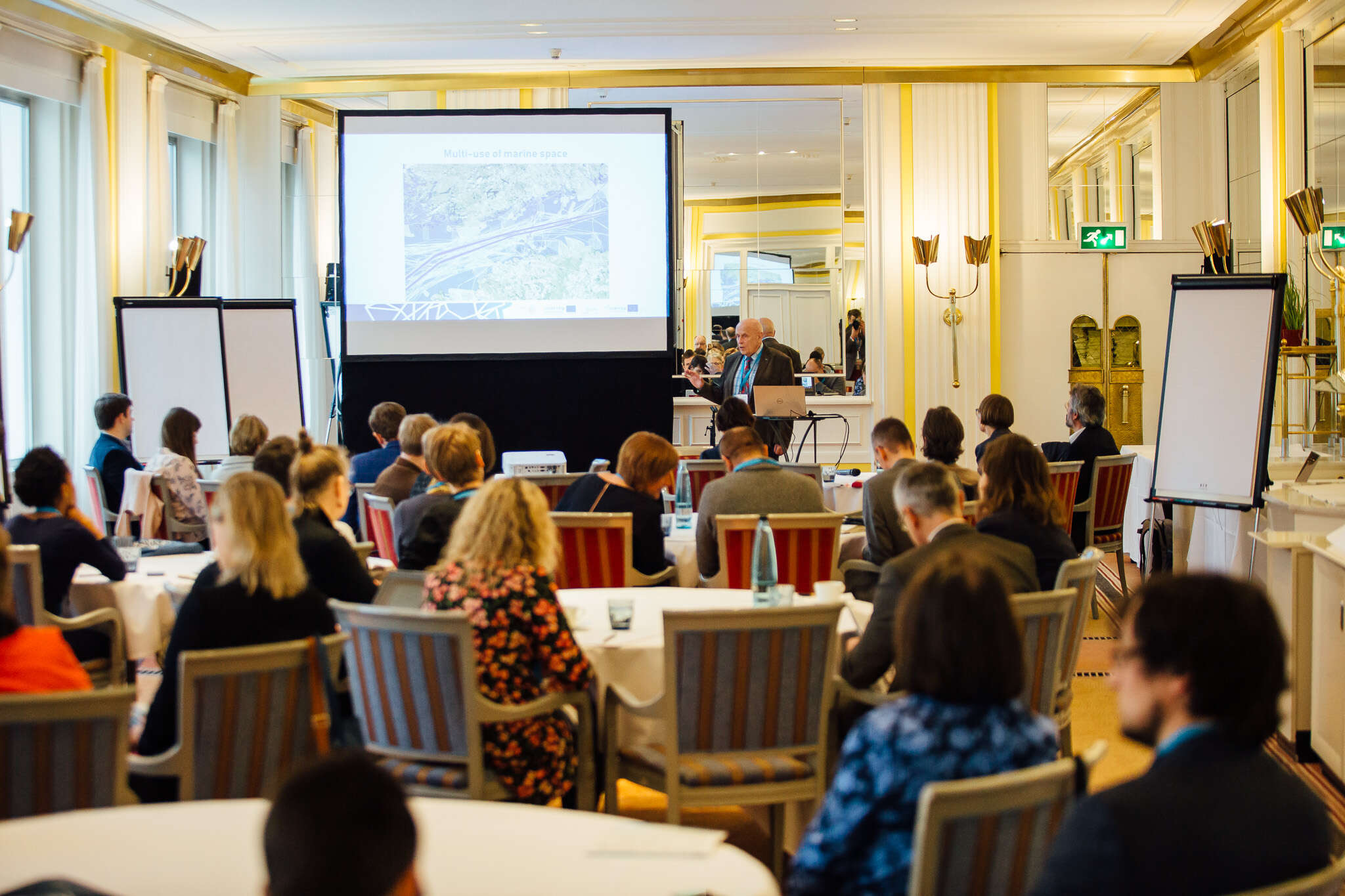
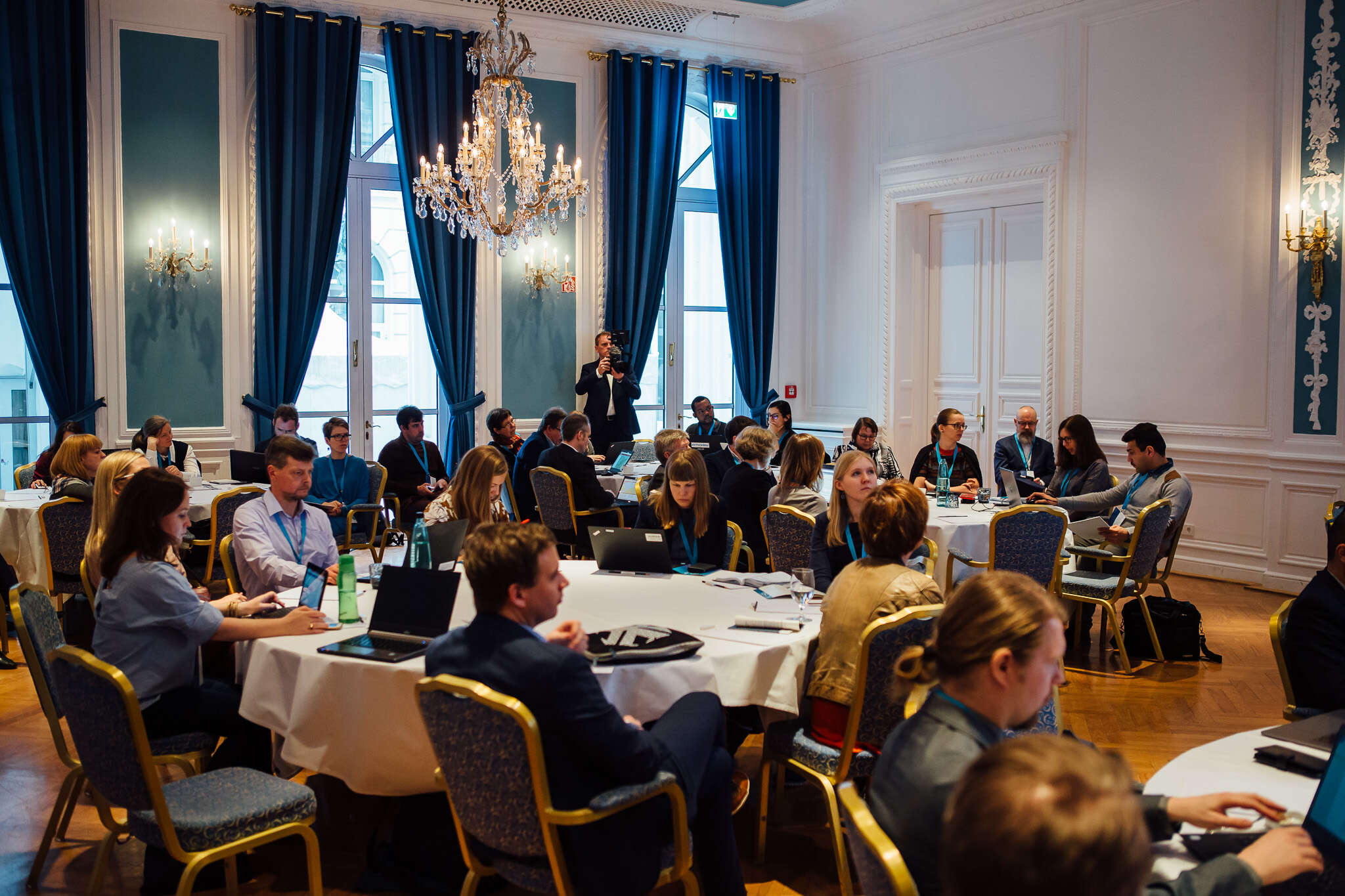
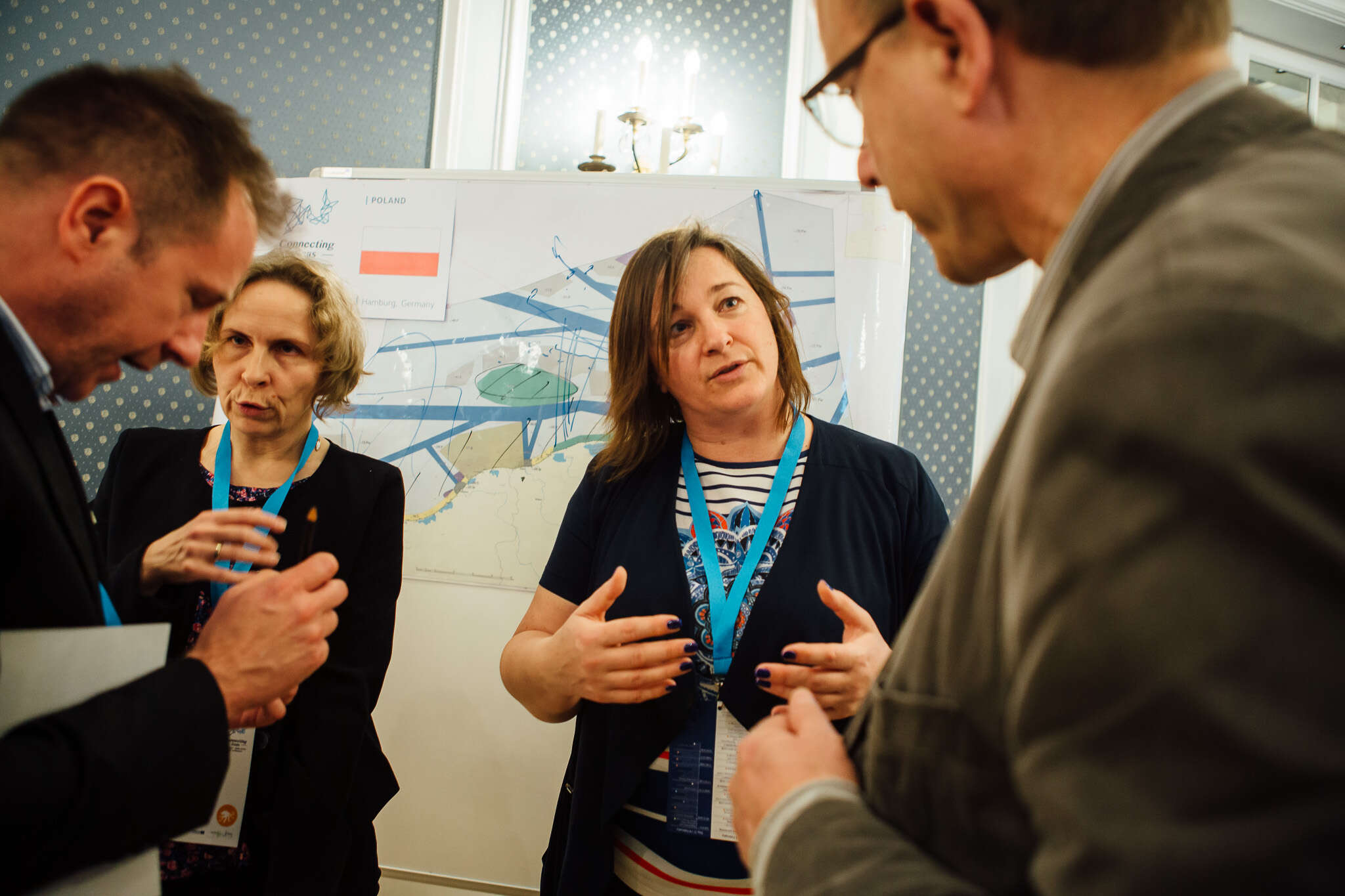
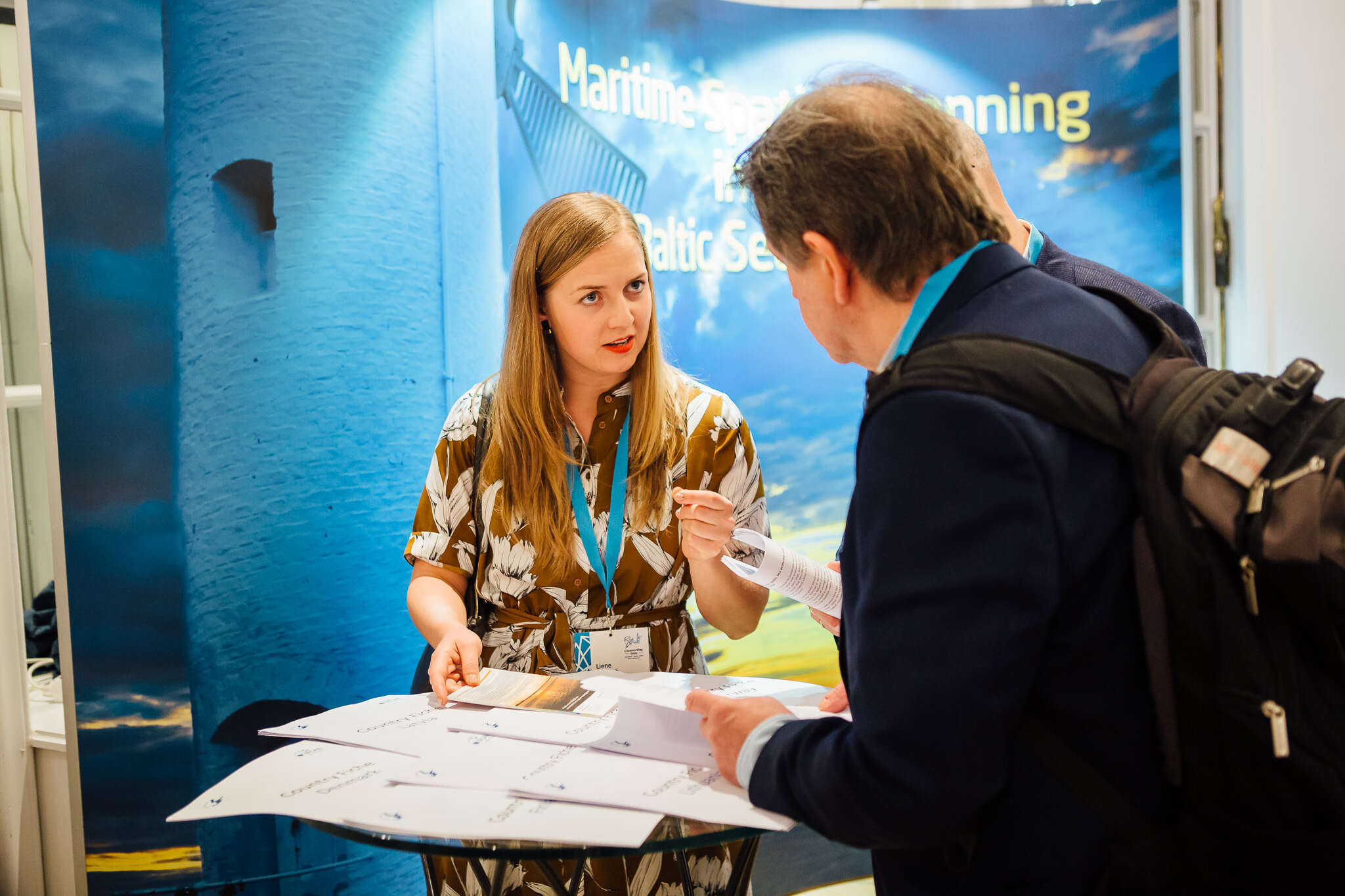
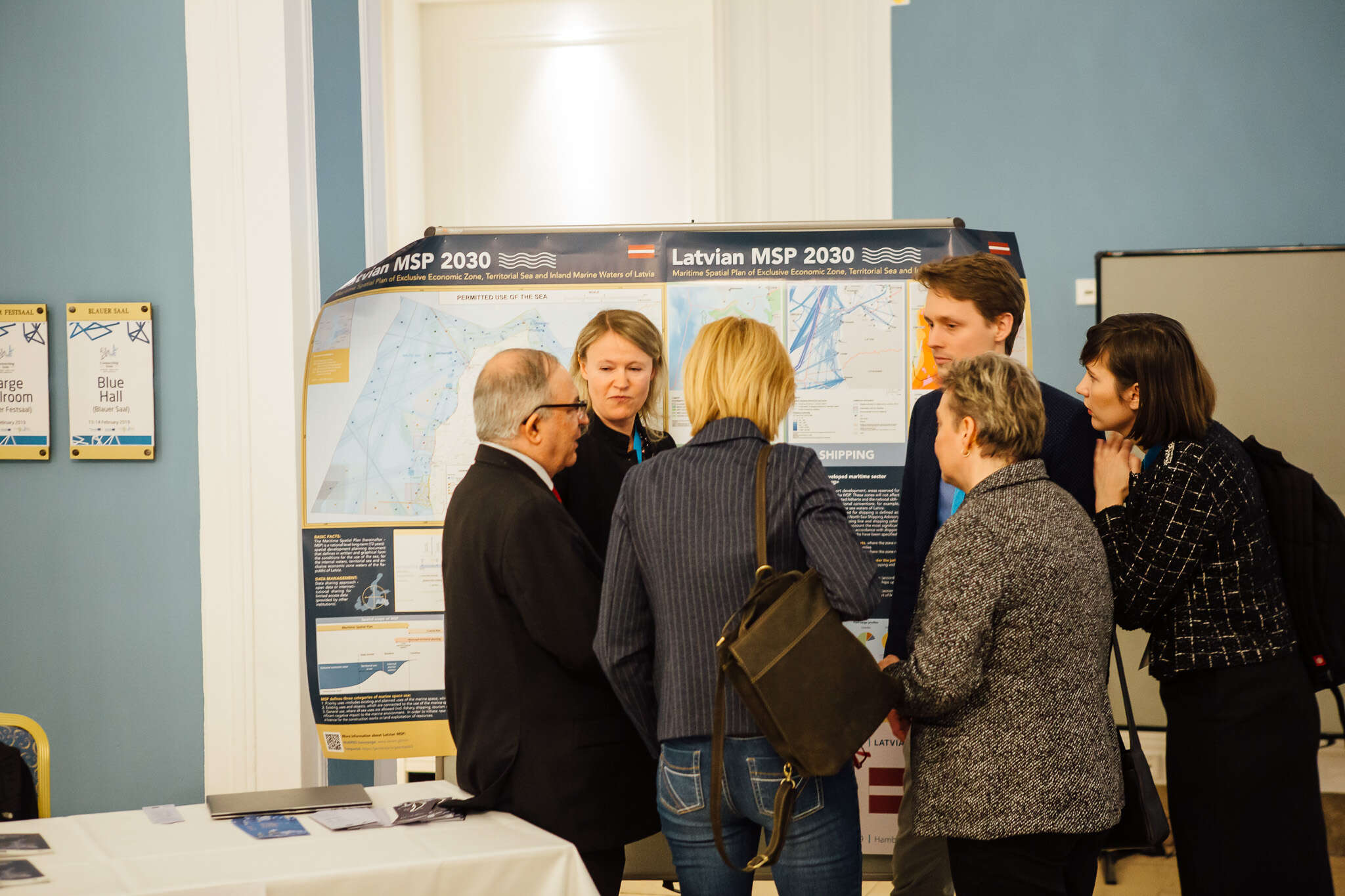
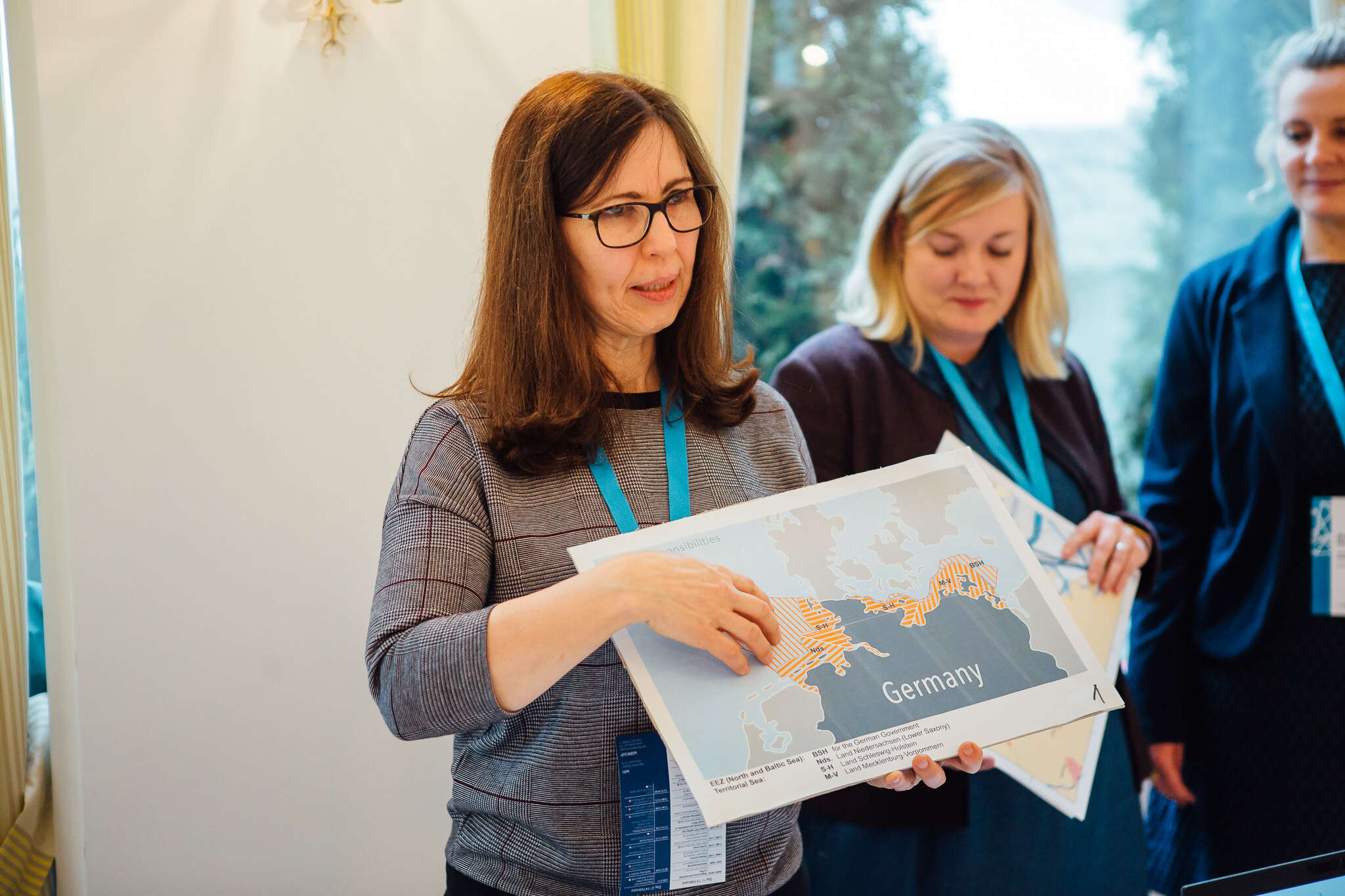
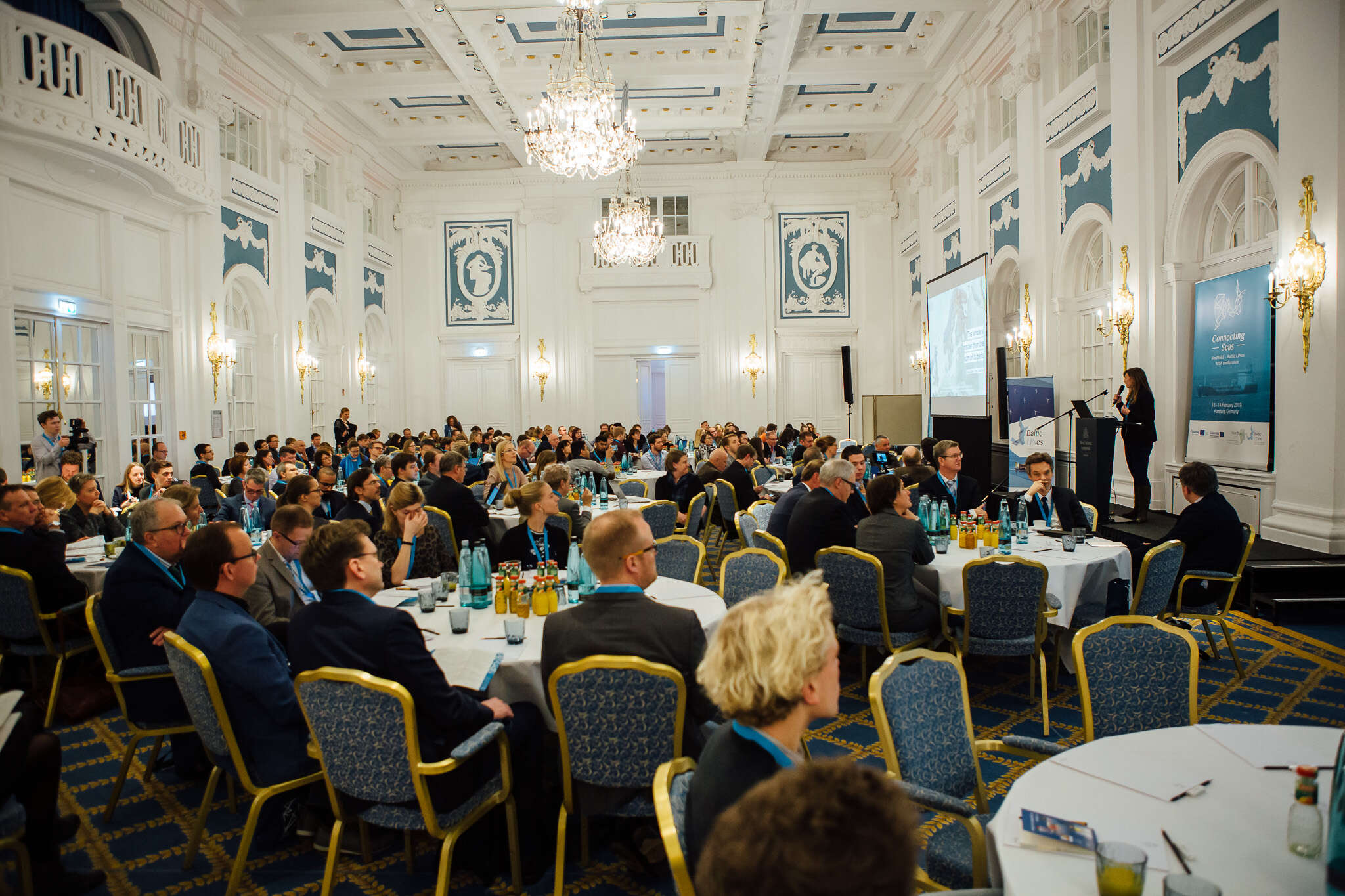
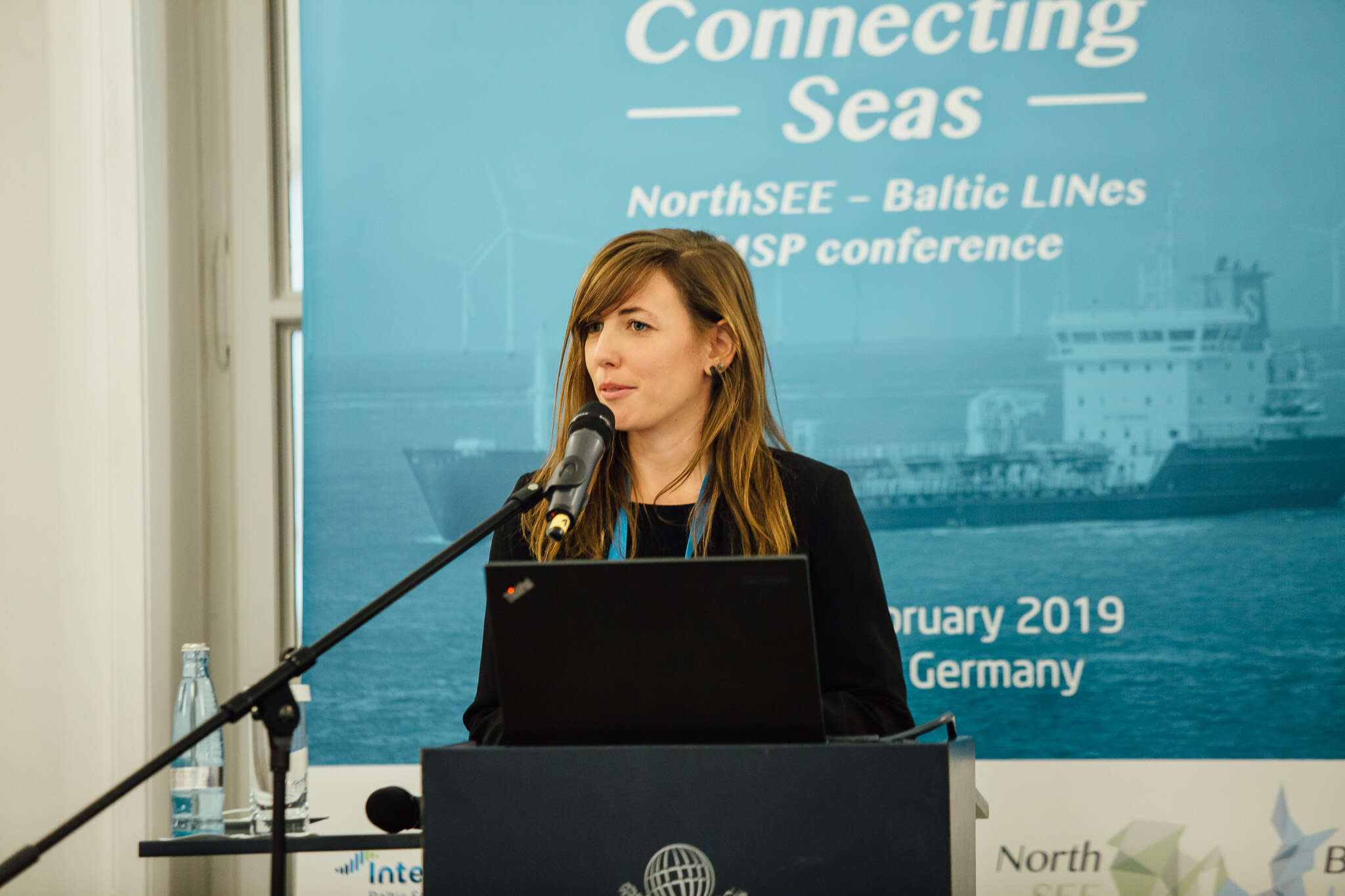
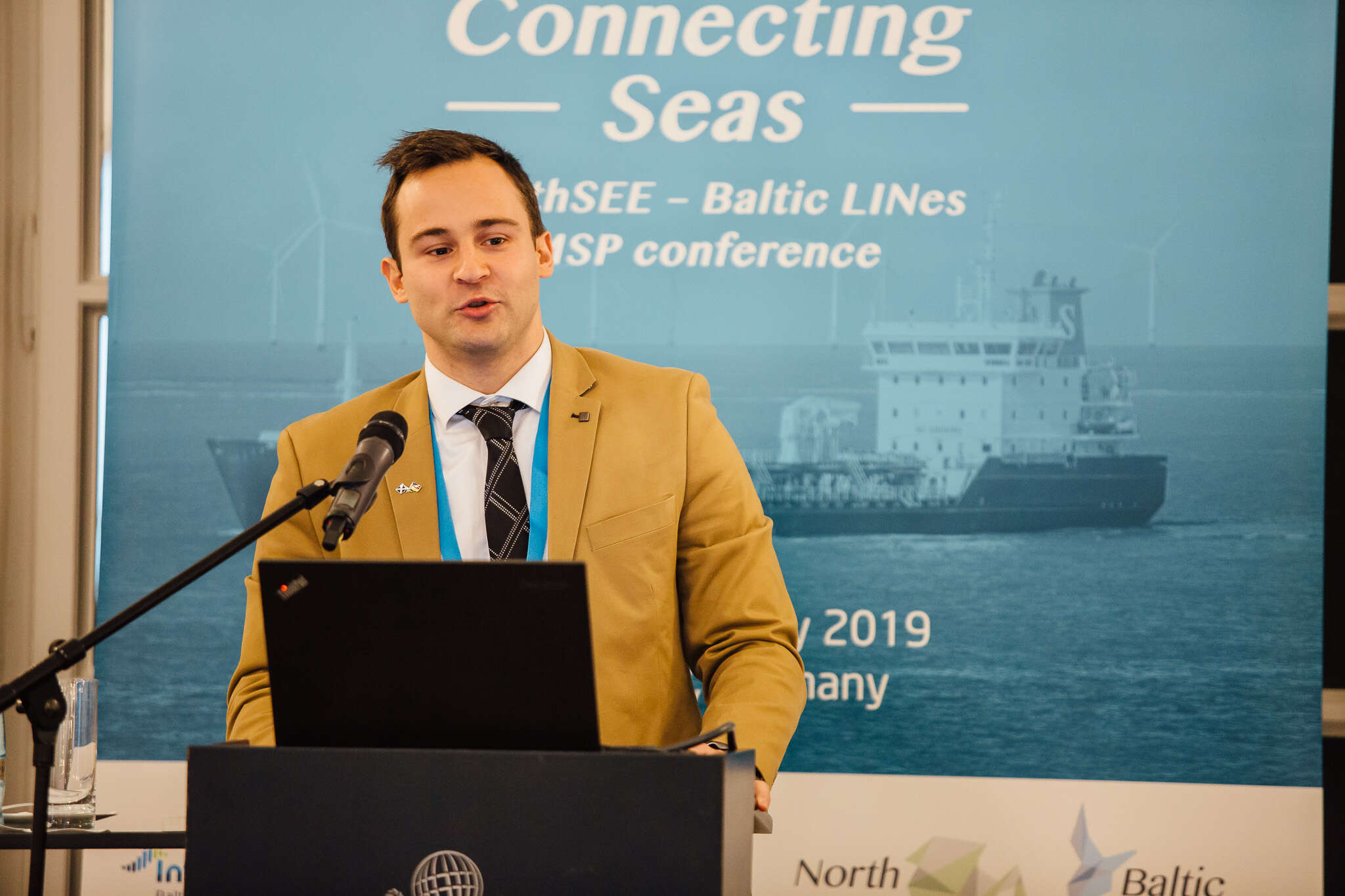
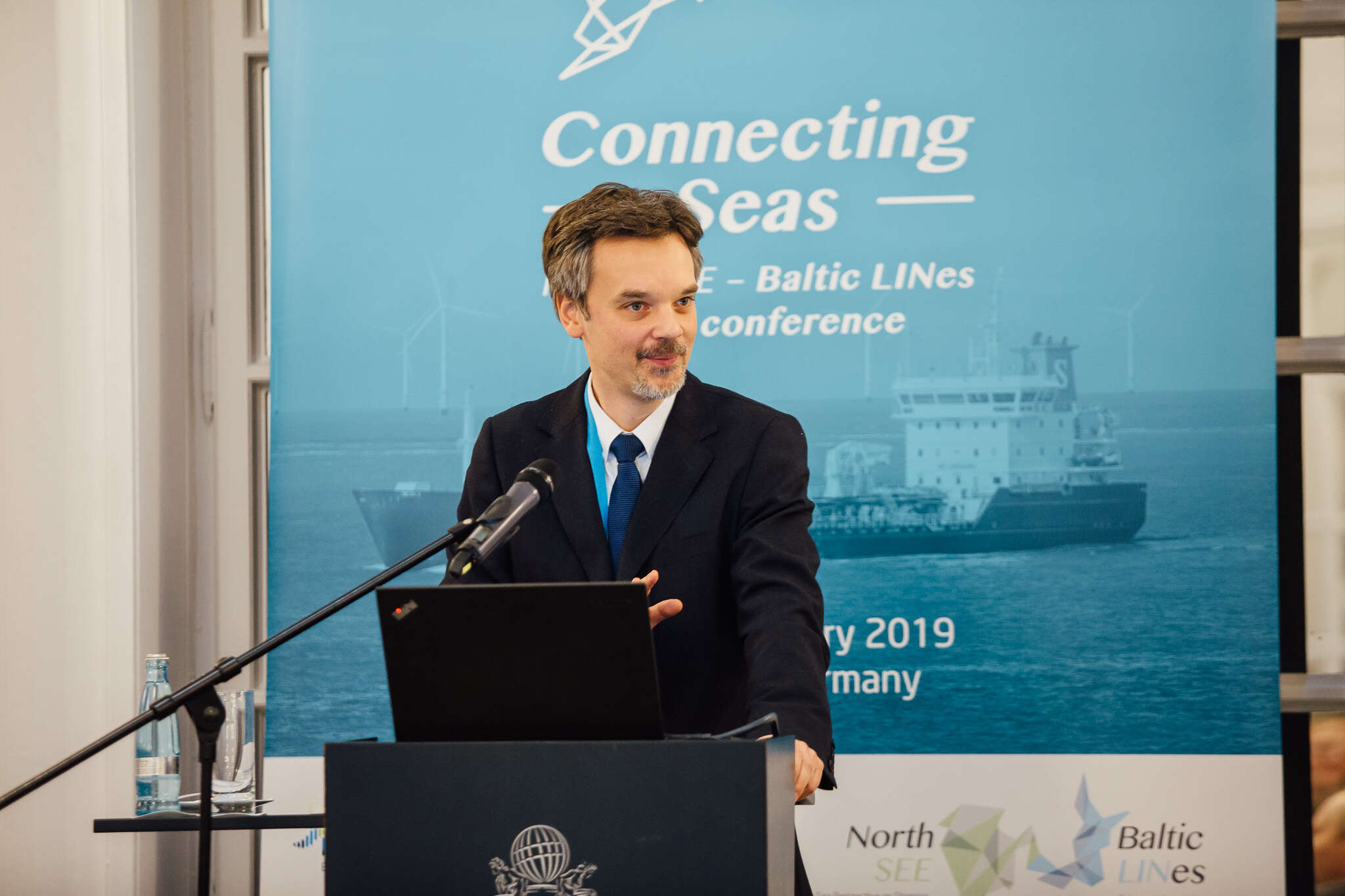
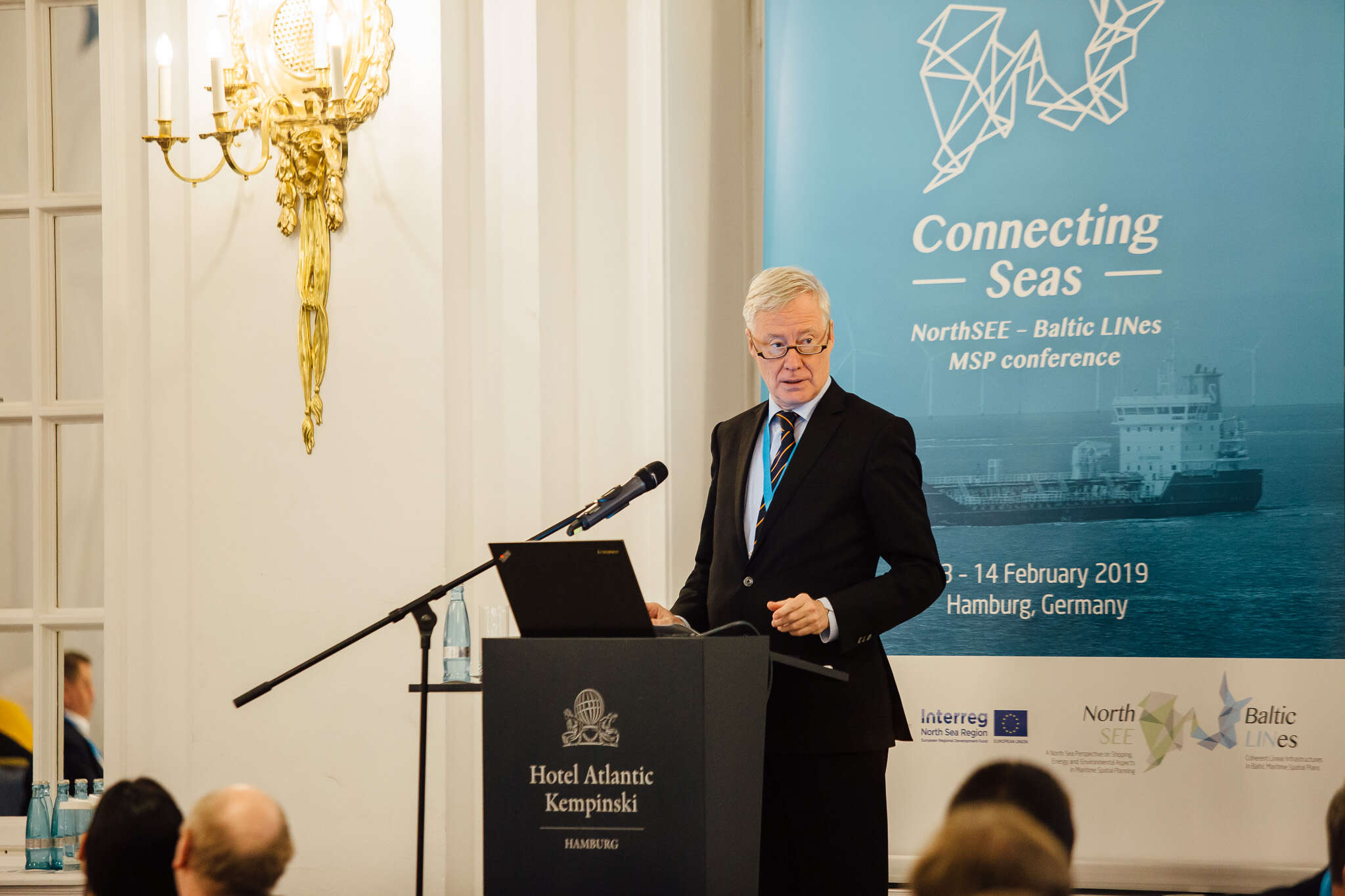
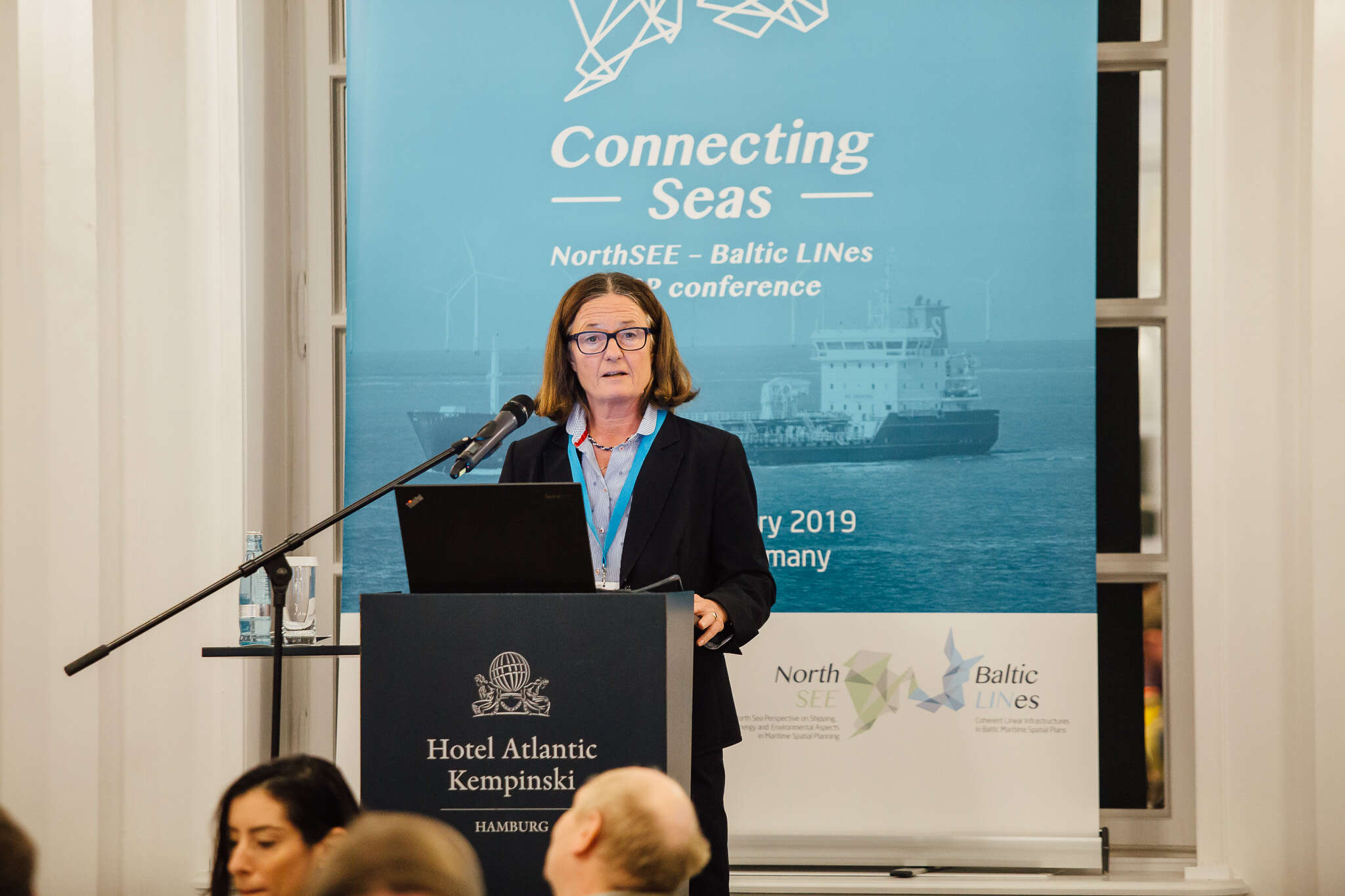
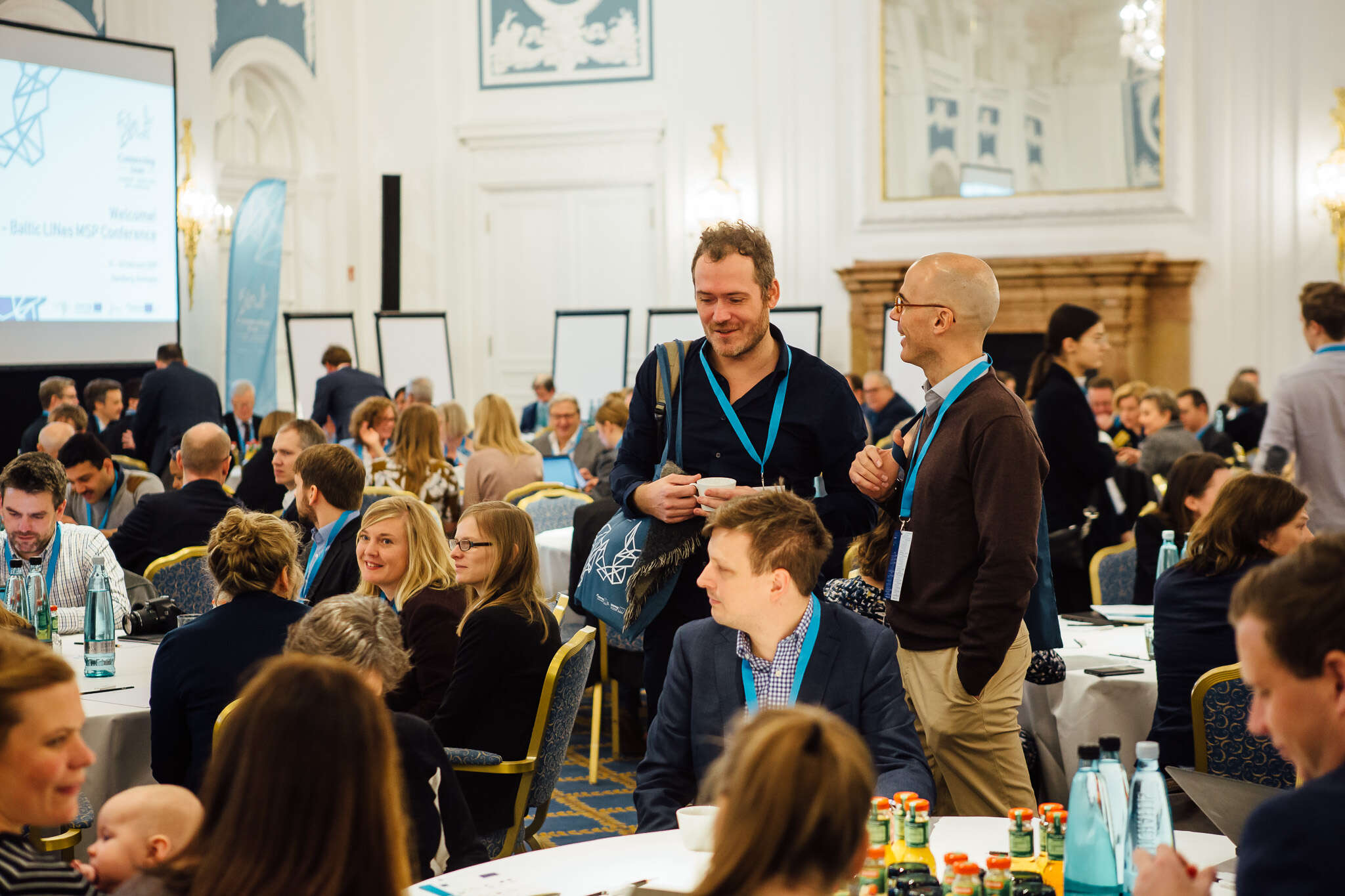
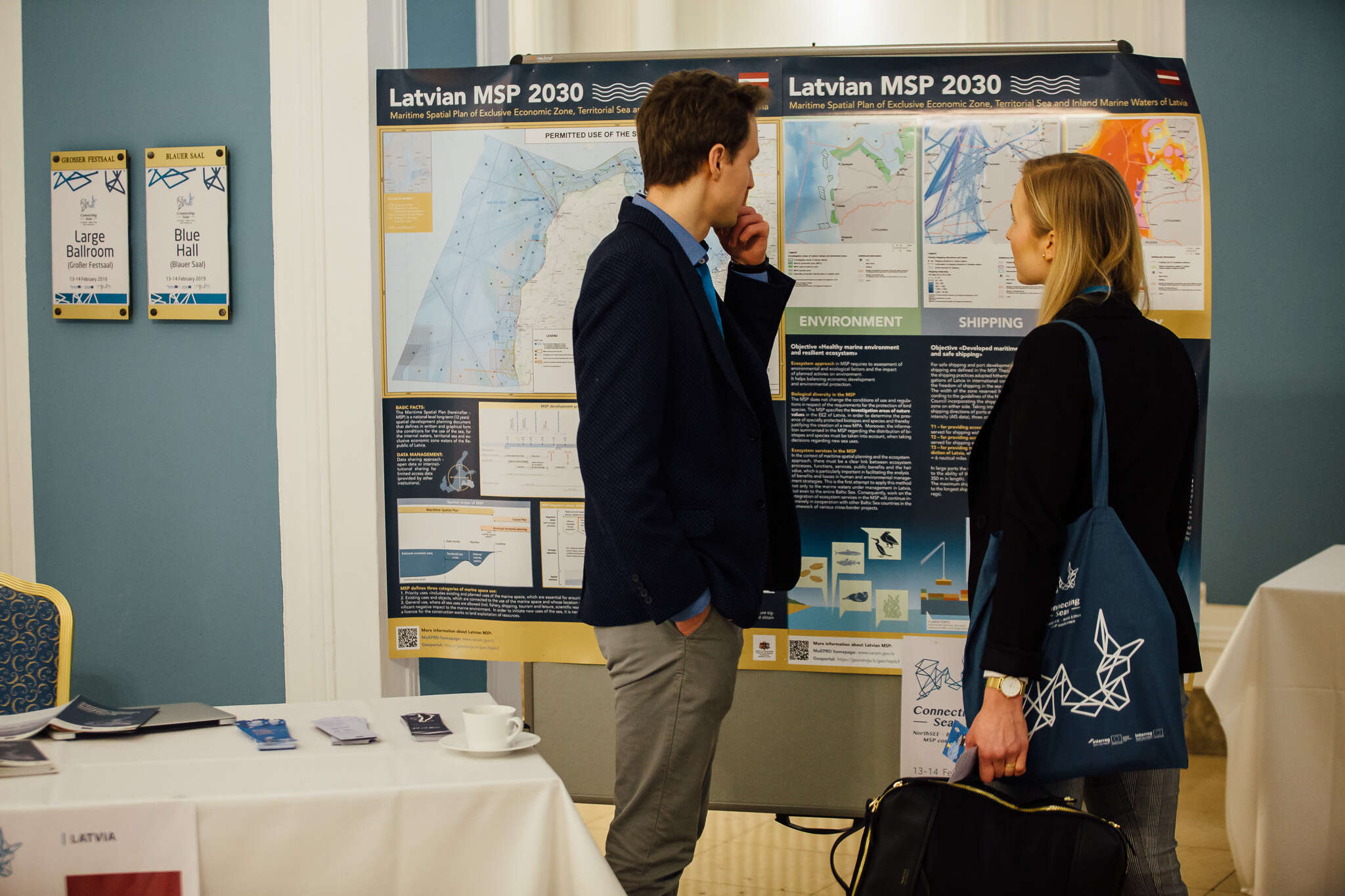
The North SEE and Baltic LINes maritime spatial planning conference ‘Connecting Seas’ took place on 13 – 14 February 2019 in Hamburg, Germany. The joint INTERREG sister project conference focused on maritime spatial planning (MSP) in the North Sea and Baltic Sea regions and presented main findings and results elaborated in the projects.
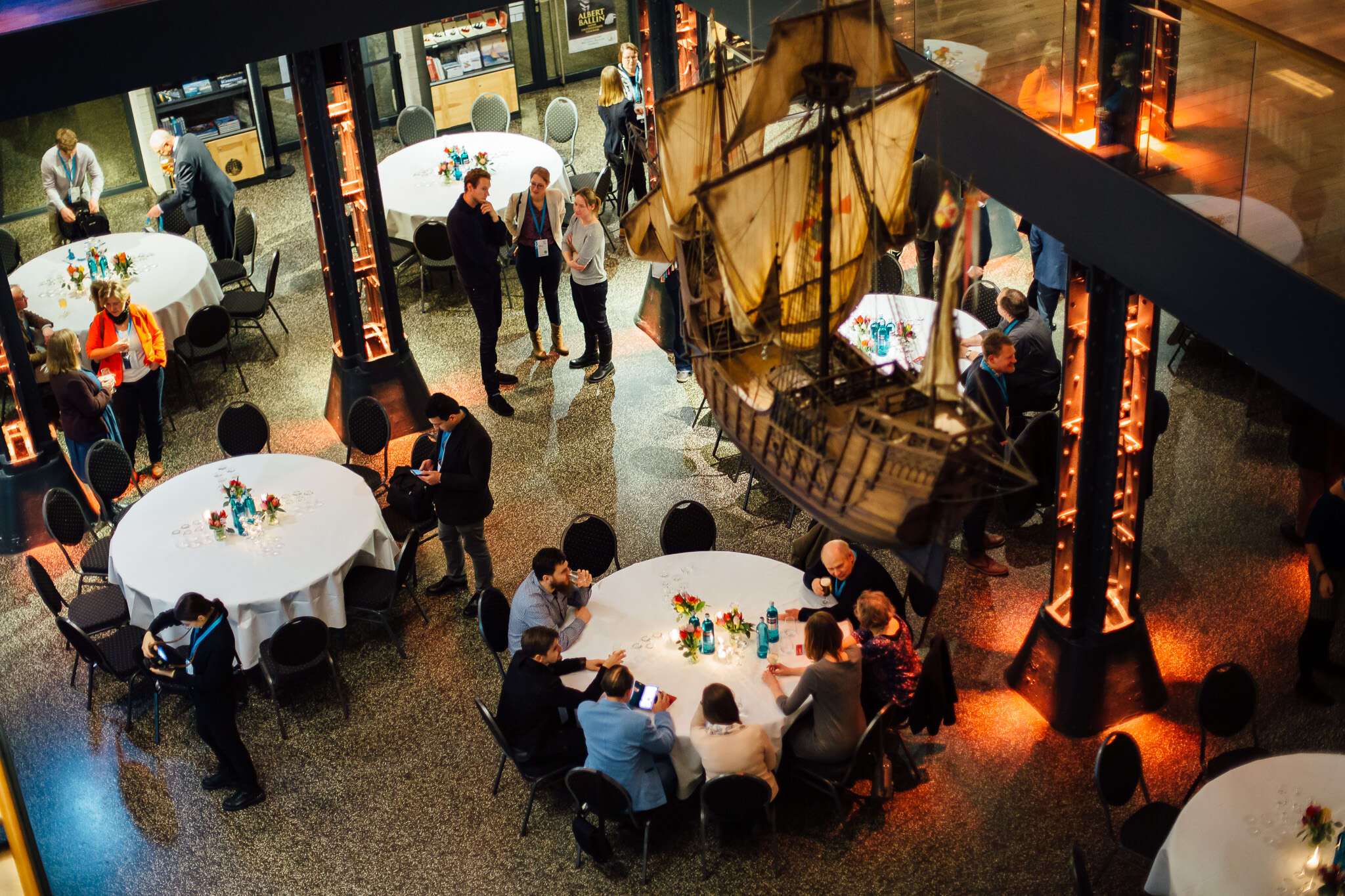
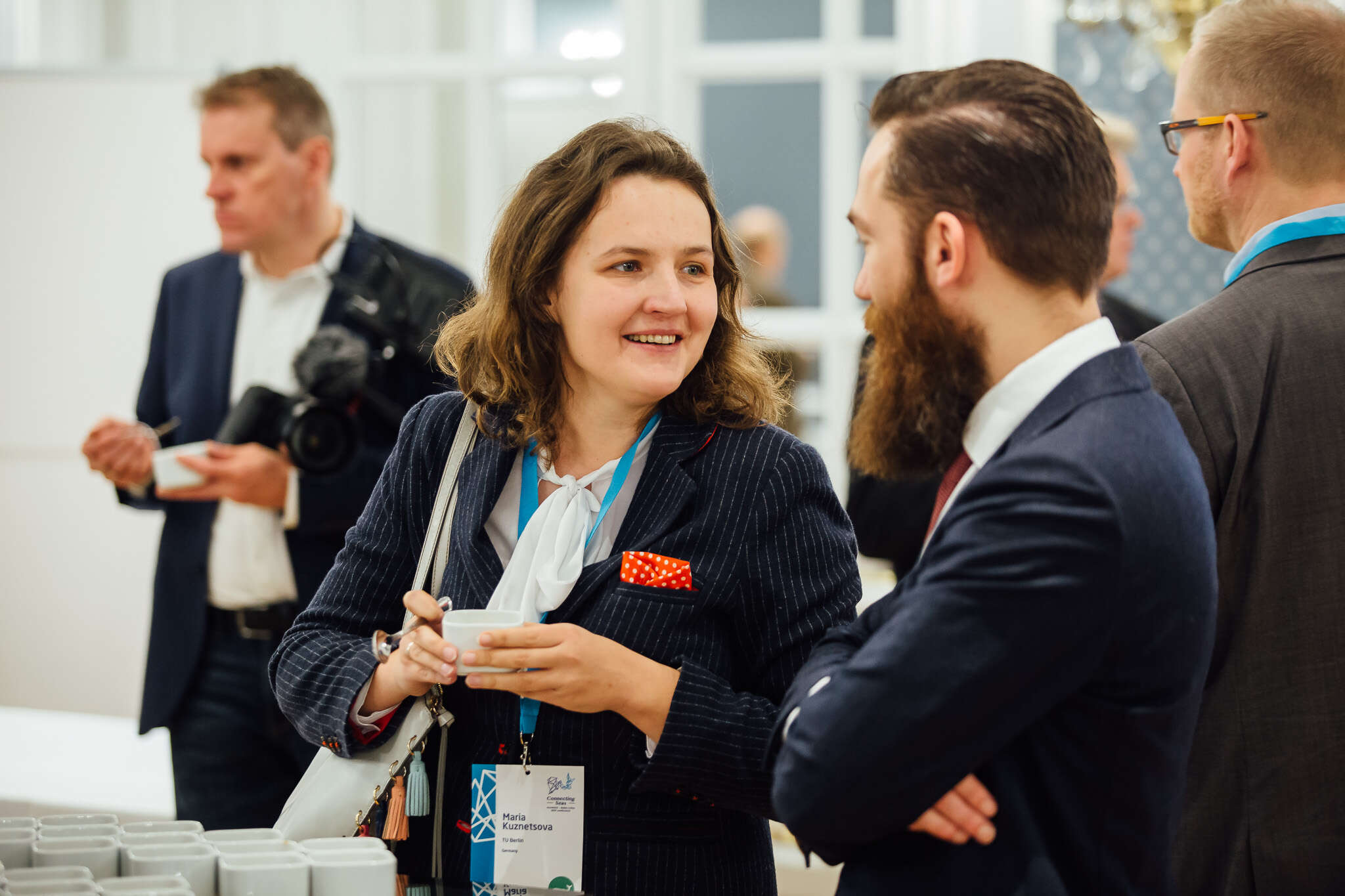
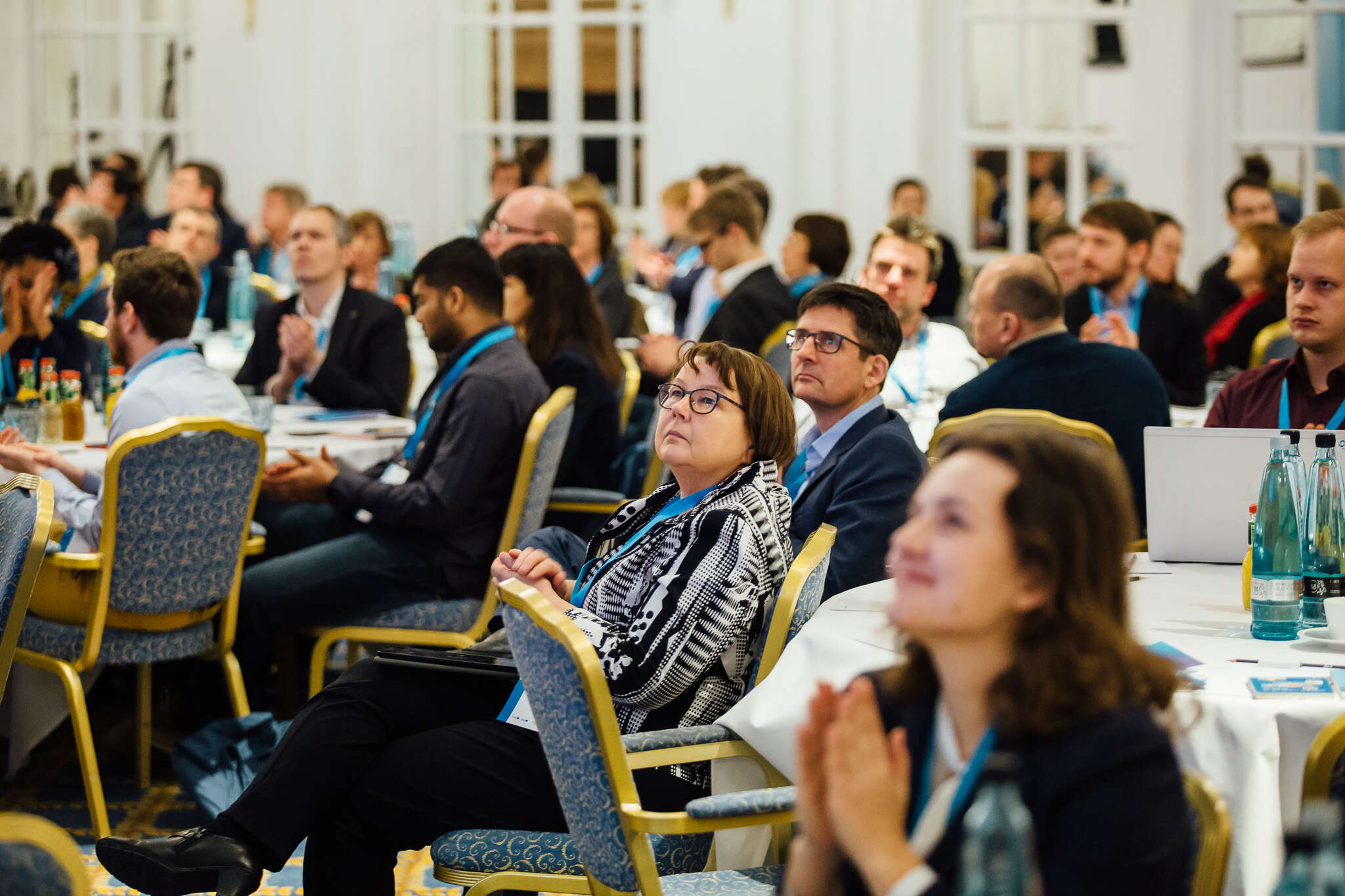
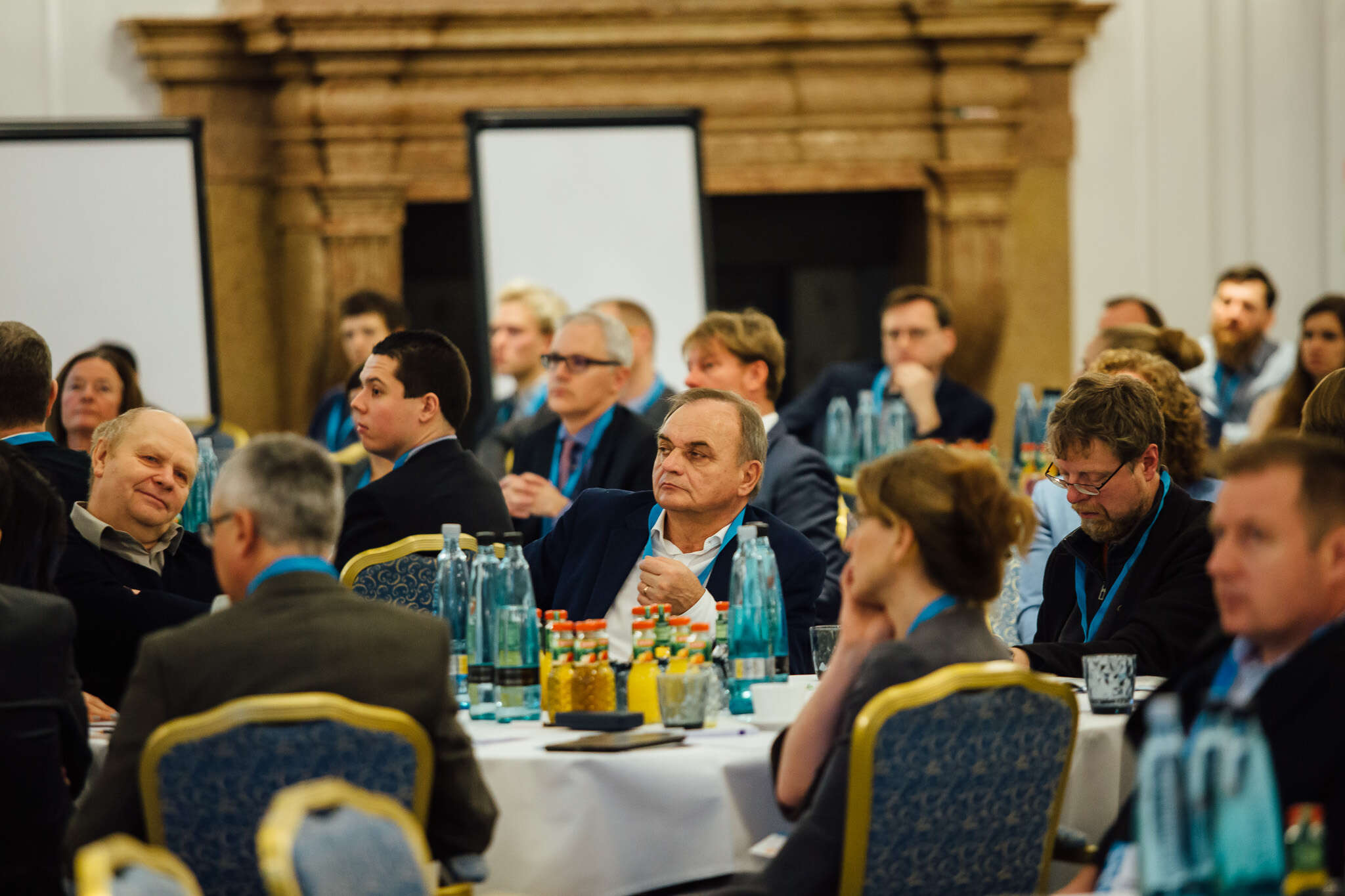
The conference brought together more than 200 participants from the MSP community representing different ministries and authorities, stakeholders from the shipping, energy and environment sector, transnational organisations and initiatives, NGOs as well as research institutes from both North Sea and Baltic Sea regions.
Summary of the Connecting Seas conference: Download the summary here.
Energy Sector planning issues, criteria, tools
Workshop ‘Energy – planning issues, criteria, tools”
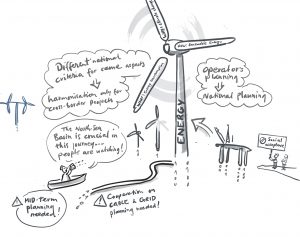

In this ‘Connecting Seas’ workshop on Energy, we will showcase some of the world’s front runners in Maritime Spatial Planning (MSP), highlight the successes in renewable energy developments and promote energy planning provisions. Connecting Seas is an appropriate title for this workshop due to the transnational nature of energy and its cross-border connections via electricity interconnectors. As part of this workshop, we give a comparative analysis of energy and it’s associated planning provisions between the North Sea and Baltic Sea. You will hear about some of the exiciting innovations in energy and predicted trends that are expected to arise within the sea basins in the near and distant future and you will have the chance to take part in interactive and engaging activities and discussions.
You will also have the opportunity to map out possible areas for offshore energy developments, interconnectors and landfall points and have your say on what you think marine planners in the North Sea and Baltic Sea should be focusing on in terms of current and future energy planning. By combining both sea basins in this session, there are lessons to be learned and recommendations to be made that can transfers across borders. Please come and share your valuable MSP and energy knowledge and experience and help us to connect seas.
Speakers
- Overview of offshore energy planning provisions and linear energy infrastructure in the North Sea Region. Dr. Andronikos Kafas – Marine Scotland, the Scottish Government
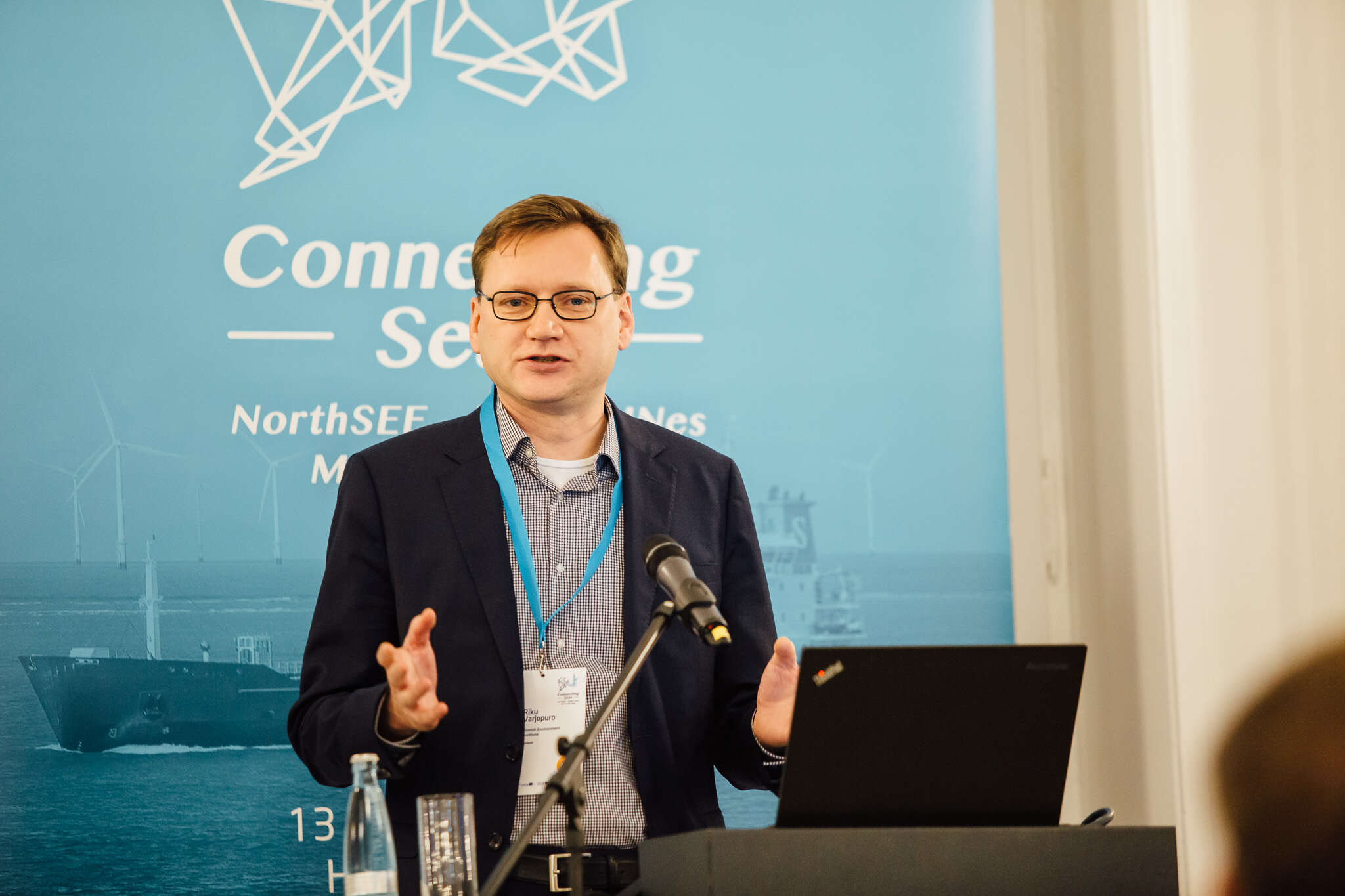
- Planning the energy infrastructure in the Baltic Sea – planning criteria and step-by-step approach. Riku Varjopuro – Finnish Environment Institute
Shipping Sector planning issues, criteria, tools
Workshop ‘Shipping – planning issues, criteria, tools’

Freedom of navigation is one of the most important principles for shipping. Nevertheless, physical obstacles in the sea have highly increased in numbers over the last years. One reason is the rapid development of offshore windfarms.
In this workshop we will present our results, findings and recommendations regarding the shipping sector, for example the identification of planning mismatches, national approaches for the planning of shipping corridors and good practice planning approach for transnational coherent planning of ship corridors.
We will present to you similarities and differences in both sea basins as well as one of the biggest challenges for shipping in MSP: obtaining and using data.
In smaller groups we want to tap into your expertise, discuss our results and findings, and develop recommendations to be implemented in the national MSP processes.
So come onboard (not the pirates, of course) and join us on our shipping workshop!
Presentations and speakers
- Identification of planning mismatches and their origins in the Baltic Sea. Dominic Plug – German Federal Maritime and Hydrographic Agency (BSH)
- Suggestion of a step-wise approach for the coherent planning of ship corridors in MSP. Dominic Plug – German Federal Maritime and Hydrographic Agency (BSH)
- Planning transnational shipping in the NorthSEE – Report from the NorthSEE project. Henrik Nilsson, World Maritime University, Marine Environmental Research Group (MER)
- Future trends of shipping: Possible frictions with Future Trends. International Shipping, tackle it together. Jeroen Van Overloop, Directorat General Shipping
- Shipping trends and impact of disruptors. Christopher Palsson, Lloyd’s List Intelligence Consulting
Environmental Impact
Workshop ‘Environment – planning issues, criteria and tools’

This workshop will address cross-border maritime spatial planning matters from an environmental perspective and the need for tools for monitoring and assessing environmental issues. In the workshop findings from the work carried out in the NorthSEE project as well as related planning issues regarding the marine environment of the North Sea and the Baltic Sea will be introduced. Cross-border issues such as the need for coherent blue green infrastructure will be in focus.
The workshop will also introduce and showcase spatial decision support tools for maritime spatial planning, including from the NorthSEE project on connectivity modelling, and related experiences from North, Baltic and Adriatic Seas relative to the development of tools for cumulative impact assessment. An interactive part of the workshop will include workstations, where the participants can get the opportunity to get a closer look on the functionalities of impact assessment tools as:
- Symphony (Swedish Agency for Marine and Water Management),
- The Baltic Sea Impact Index (HELCOM),
- MYTILUS (Aalborg University),
- Tools4MSP (CNR-ISMAR)
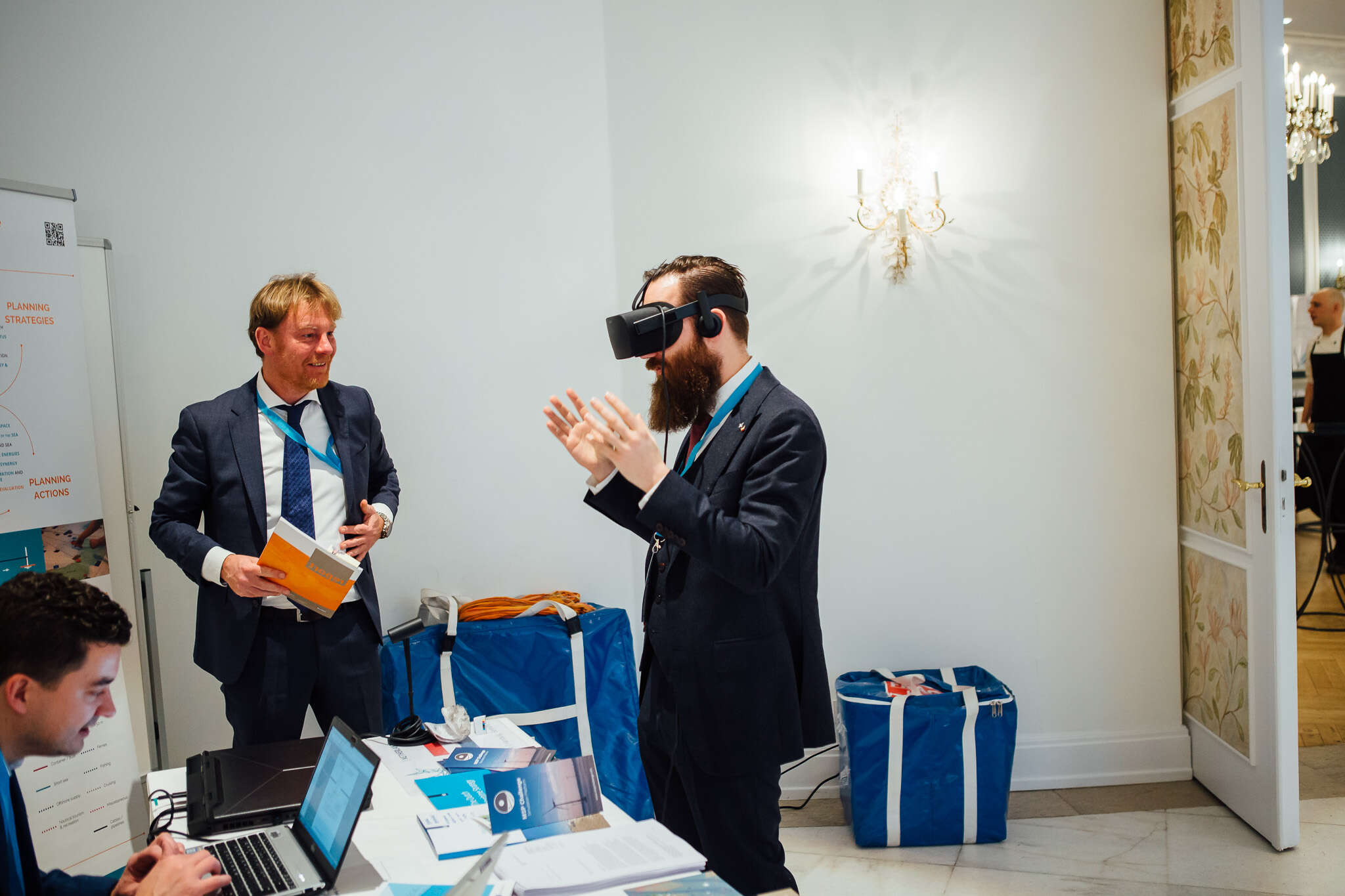
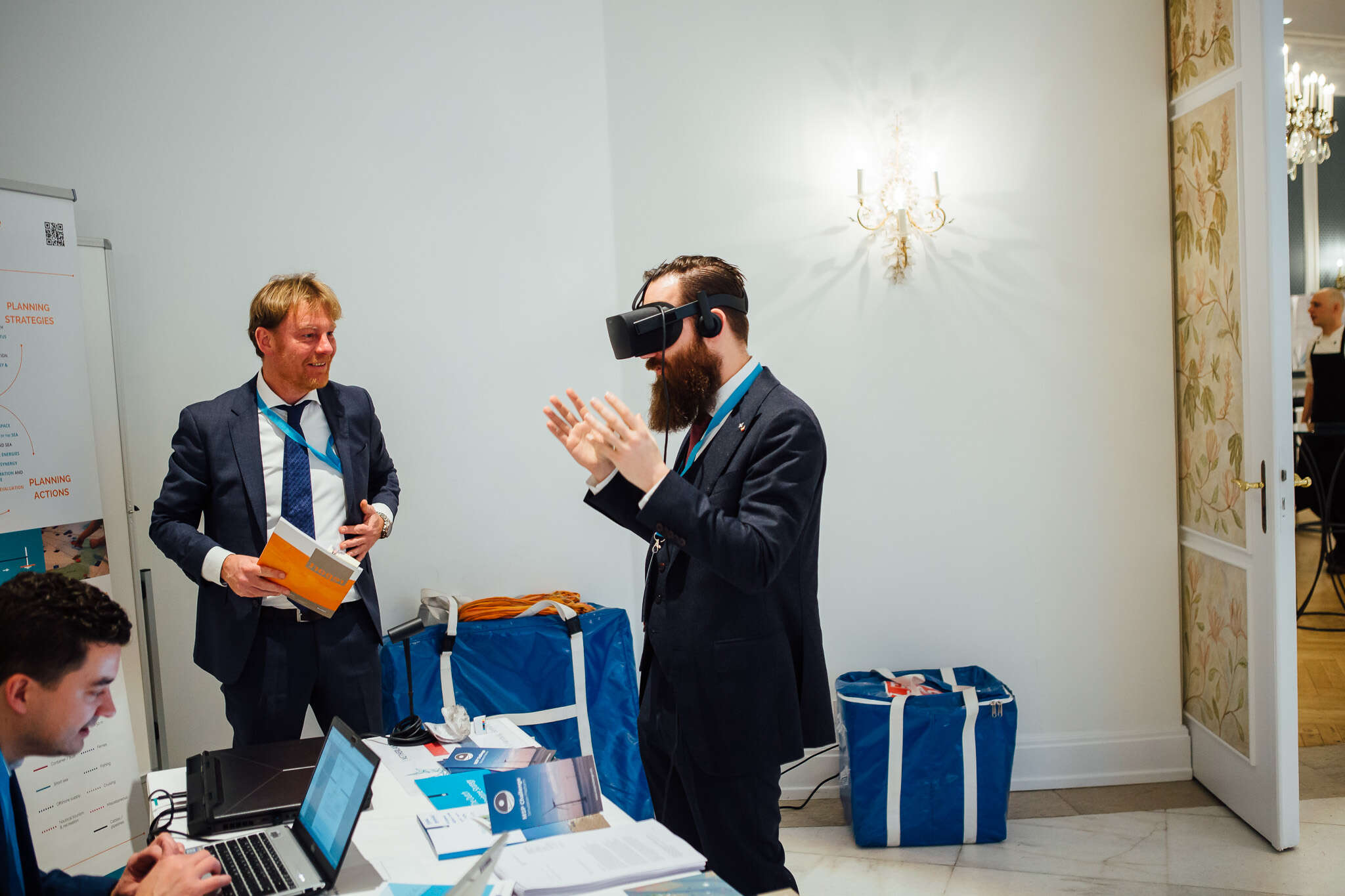
- Ecopath with Ecosim as part of the education-oriented platform; the MSP Challenge BSR/NSR (Breda University of Applied Sciences).
Presentations and speakers
- The Knowledge Base for Maritime Spatial Planning – the Norwegian approach. Anne Langaas Gosse, Norwegian Environmental Agency
- Maritime Spatial Planning and the need for Spatial Decision Support – the Swedish approach. Goncalo Carneiro, Swedish Agency for Marine and Water Management
- Modelling of Connectivity among Marine Protected Areas, Particularly Valuable and Vulnerable Areas. Mats Huserbraten, Norwegian Norwegian Institute for Marine Research
- HOLAS II – HELCOM Second Holistic Assessment of the Ecosystem Health of the Baltic Sea. Lena Bergström, HELCOM
Pitches and workstations on tools for MSP
- MYTILUS – cumulative impact assessment tool and scenario-based decision support for MSP. Dr. Henning Sten Hansen, Aalborg University
- Recent applications in the Baltic Sea Impact Index, for cumulative assessments at the Baltic Sea scale. Lena Bergström, HELCOM
- Symphony – the Swedish approach to Spatial Decision Support for MSP. Jonas Pålsson, Swedish Agency for Marine and Water Management, Duncan Hume The Geological Survey of Sweden
- Tools4MSP – tools for analysis of conflicts between marine uses and the analysis of cumulative impacts (CI) of human activities on marine environments. Daniel Depellegrin, National Research Council, Institute of Marine Sciences, CNR-ISMAR
- Combining ecosystem modelling and serious gaming to aid transnational management of marine space. Giovanni Romagnoni, University of Oslo; Magali Goncalves, Breda University of Applied Sciences
Stakeholder involvement
Workshop ‘Stakeholder Involvement’

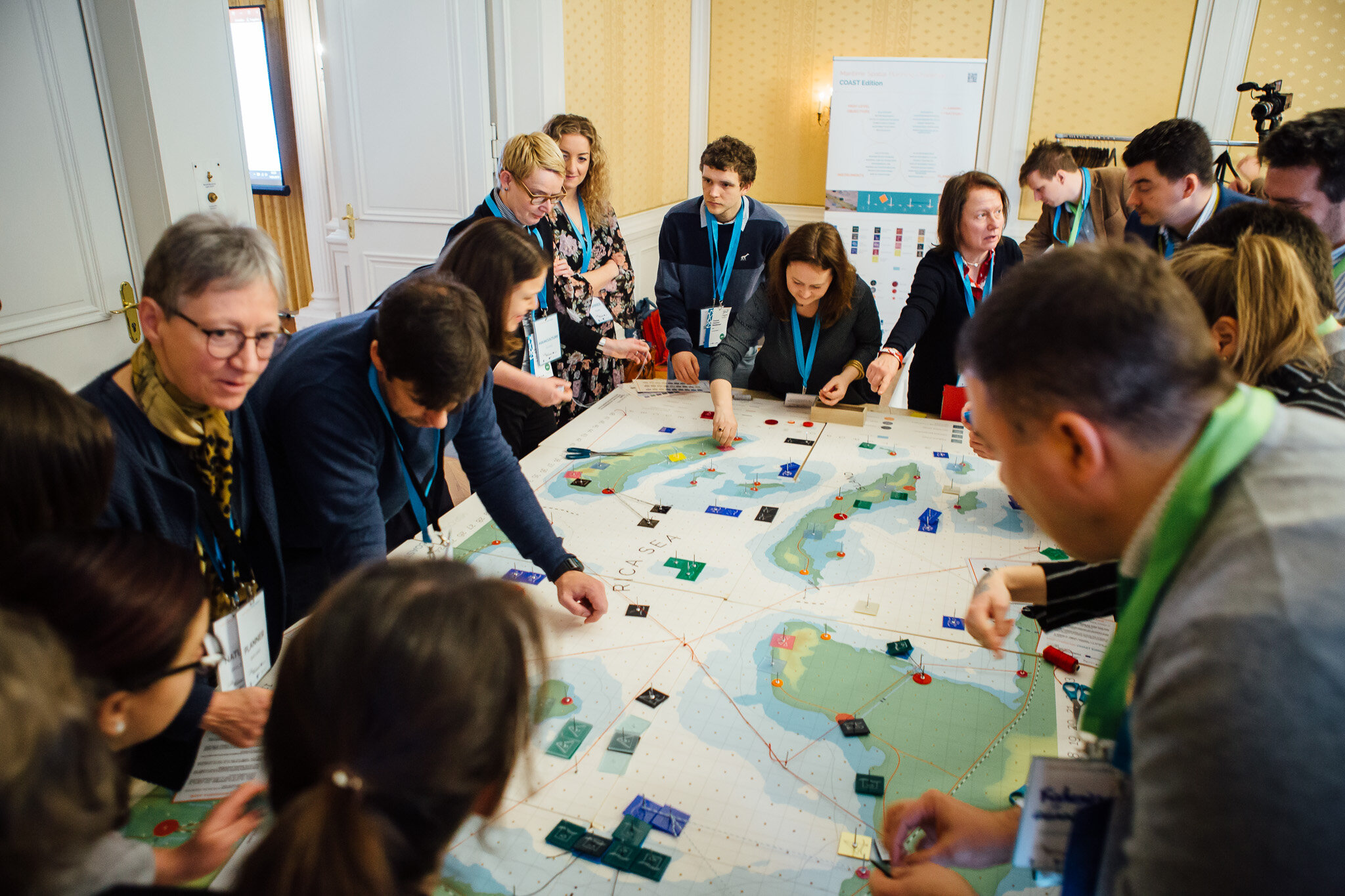
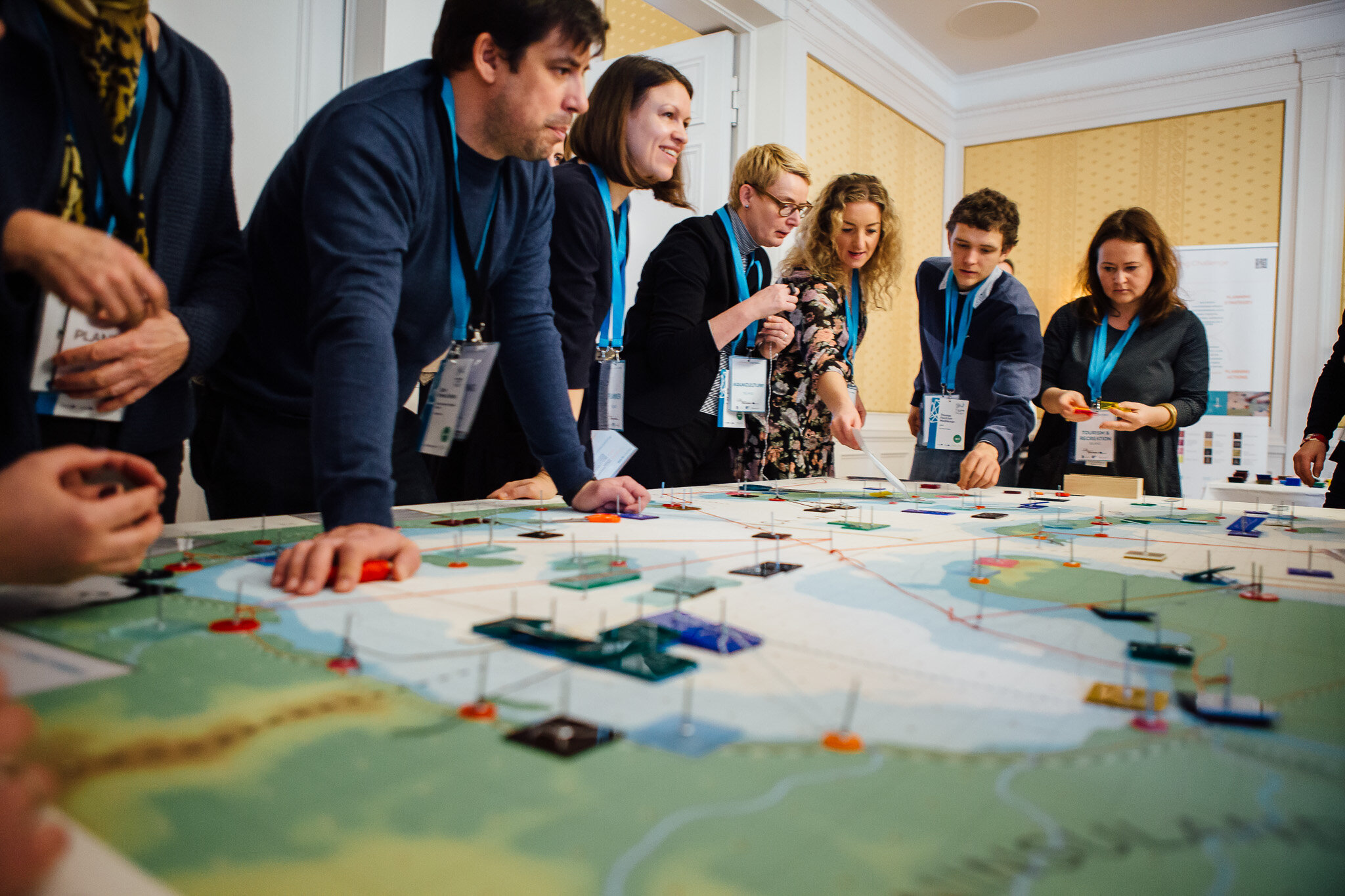
This workshop will consist of two parts. During the first part of the workshop, participants will learn more about the different stakeholder involvement tools used at different levels -simulation game Maritime Spatial Planning Challenge that have been used within the NorthSEE and BalticLINes project involving stakeholders from different countries and stakeholders involvement in a national MSP process – Latvian case.
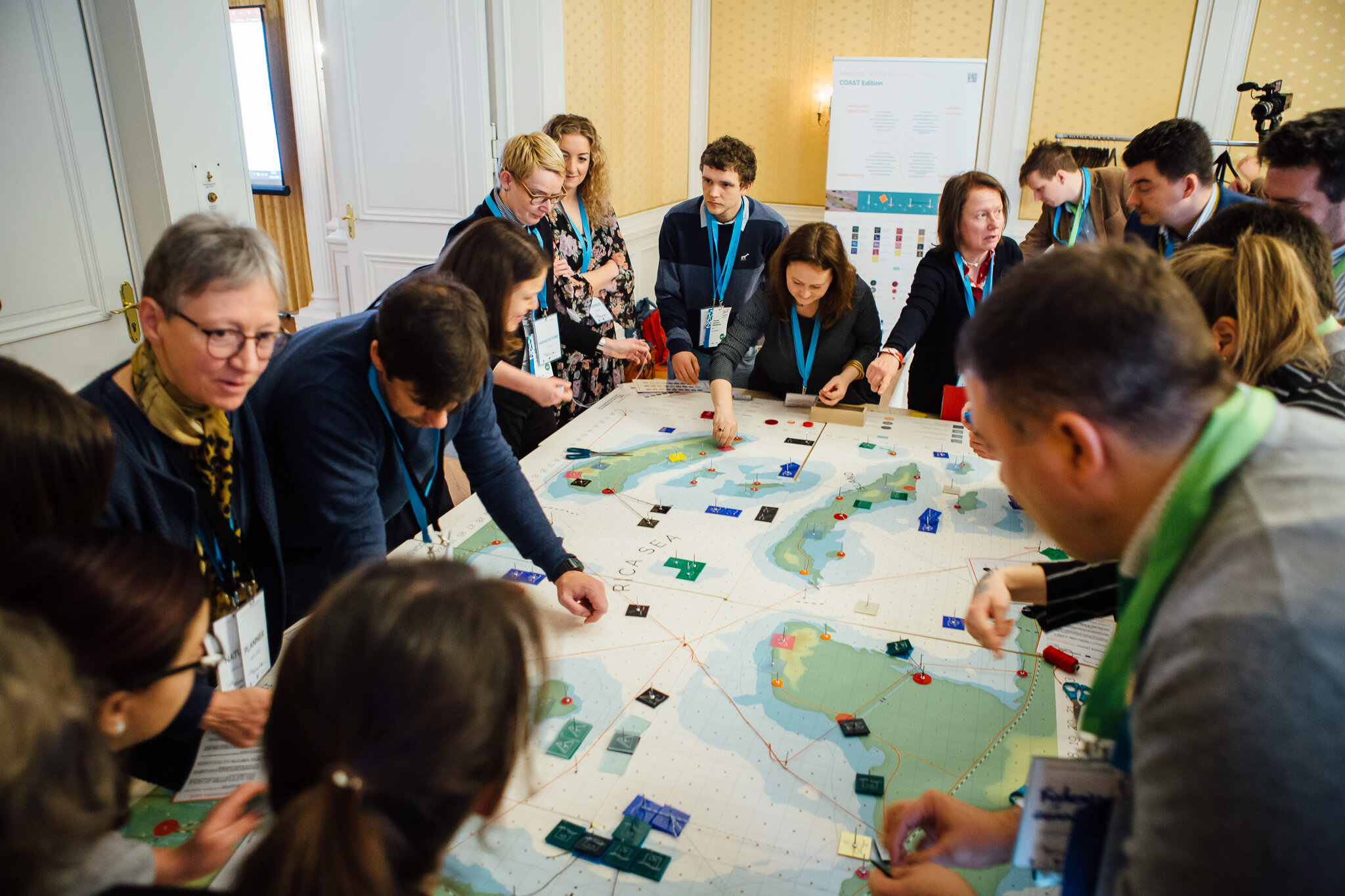
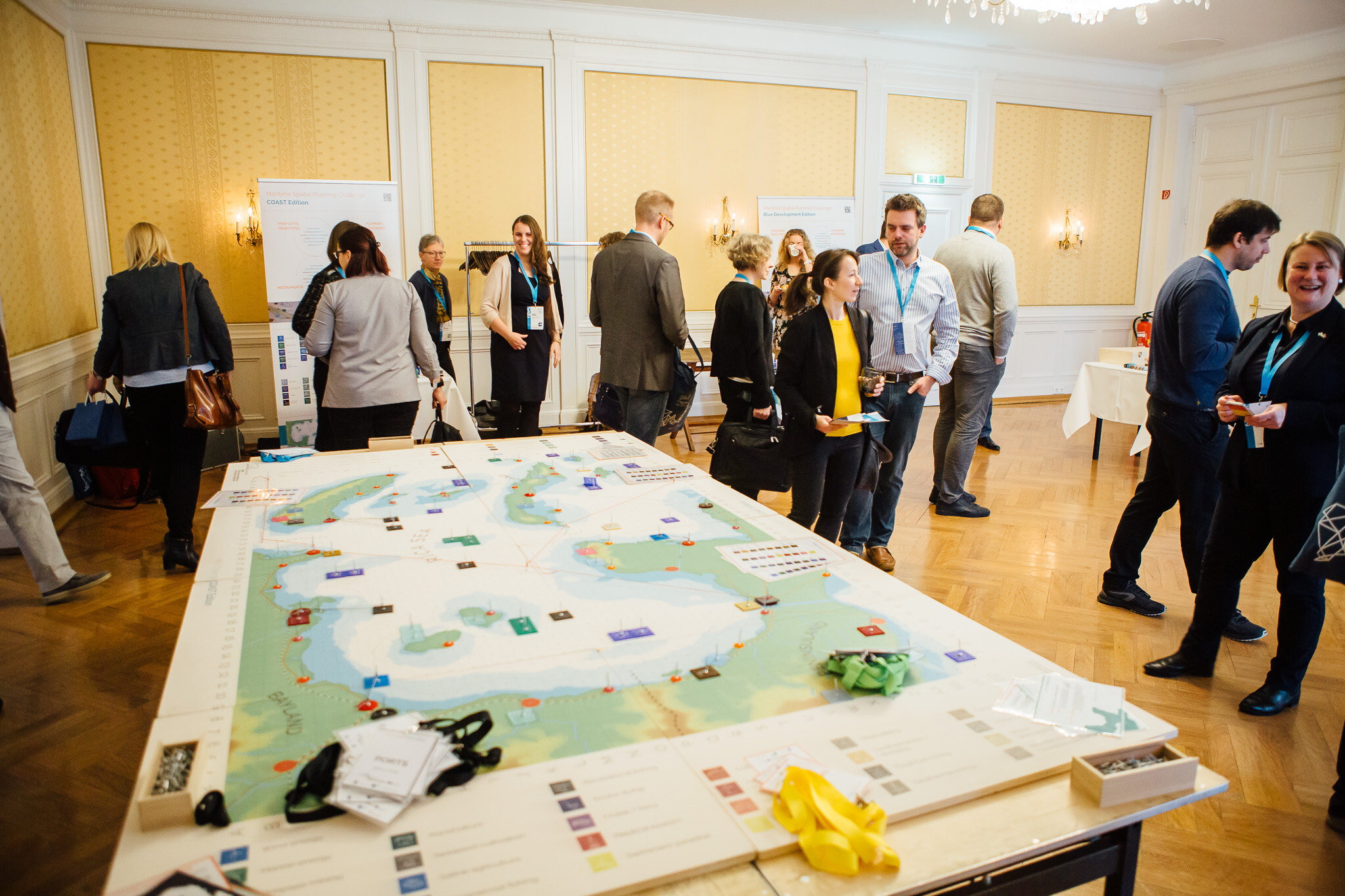
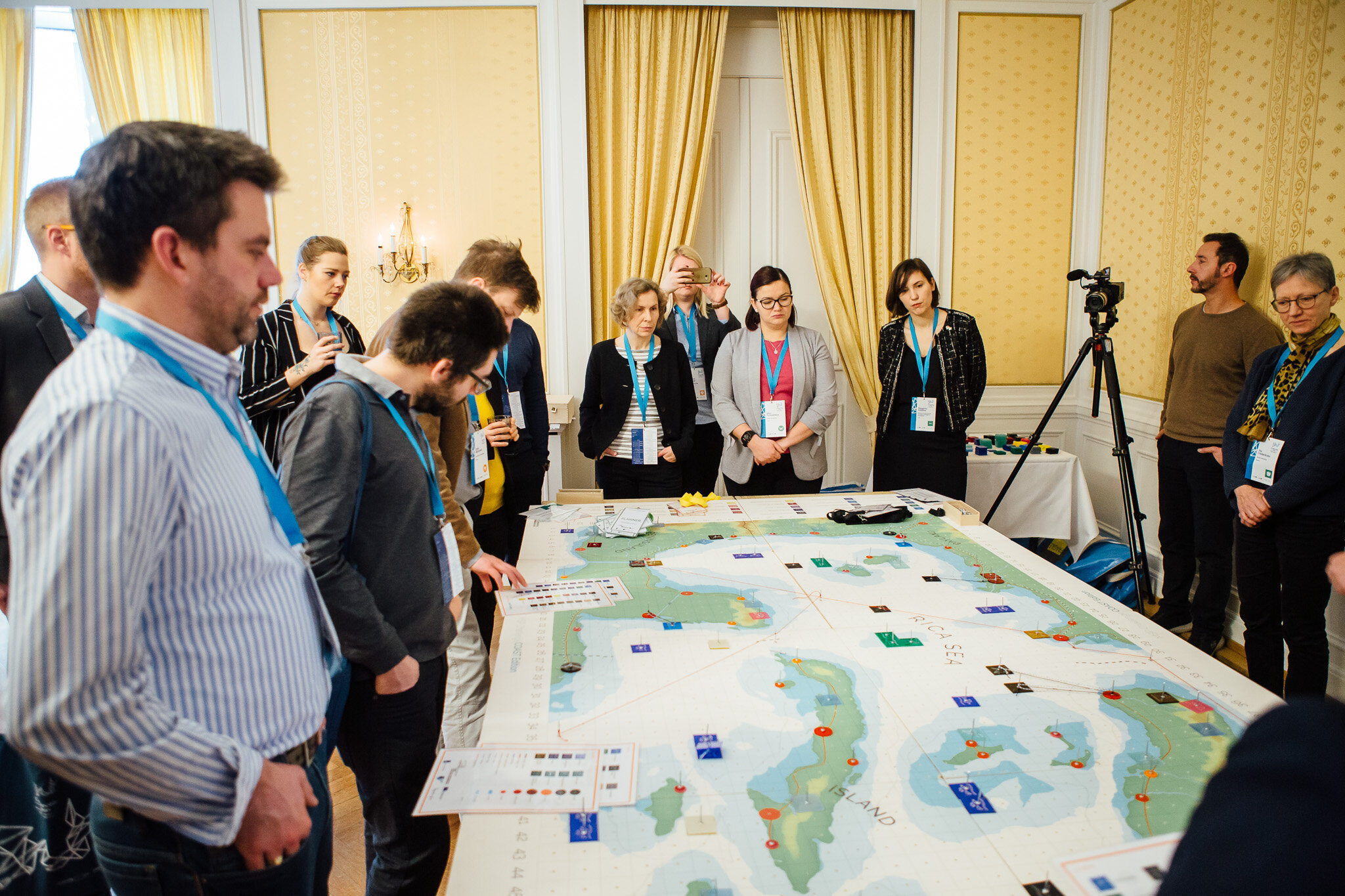
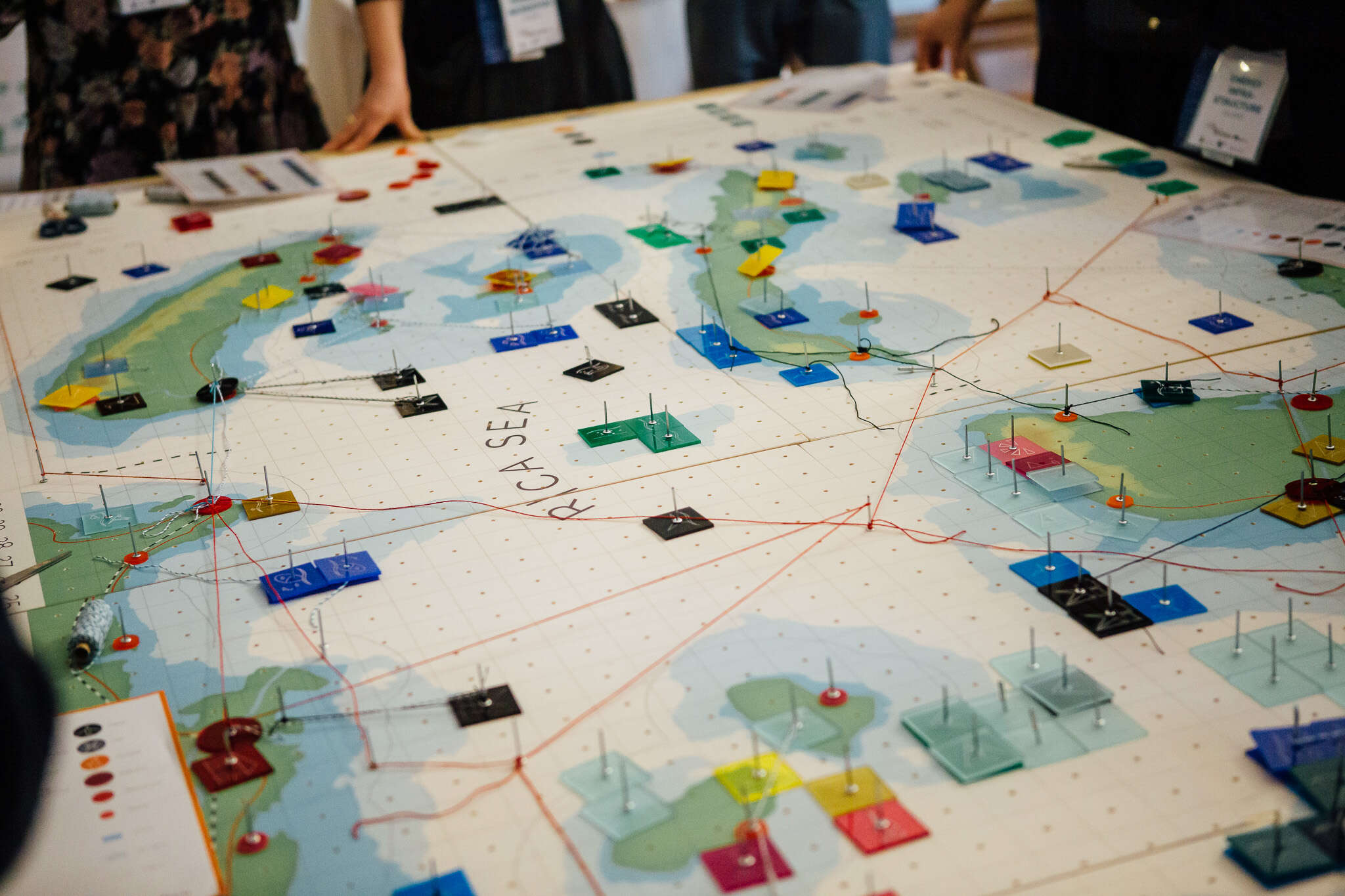
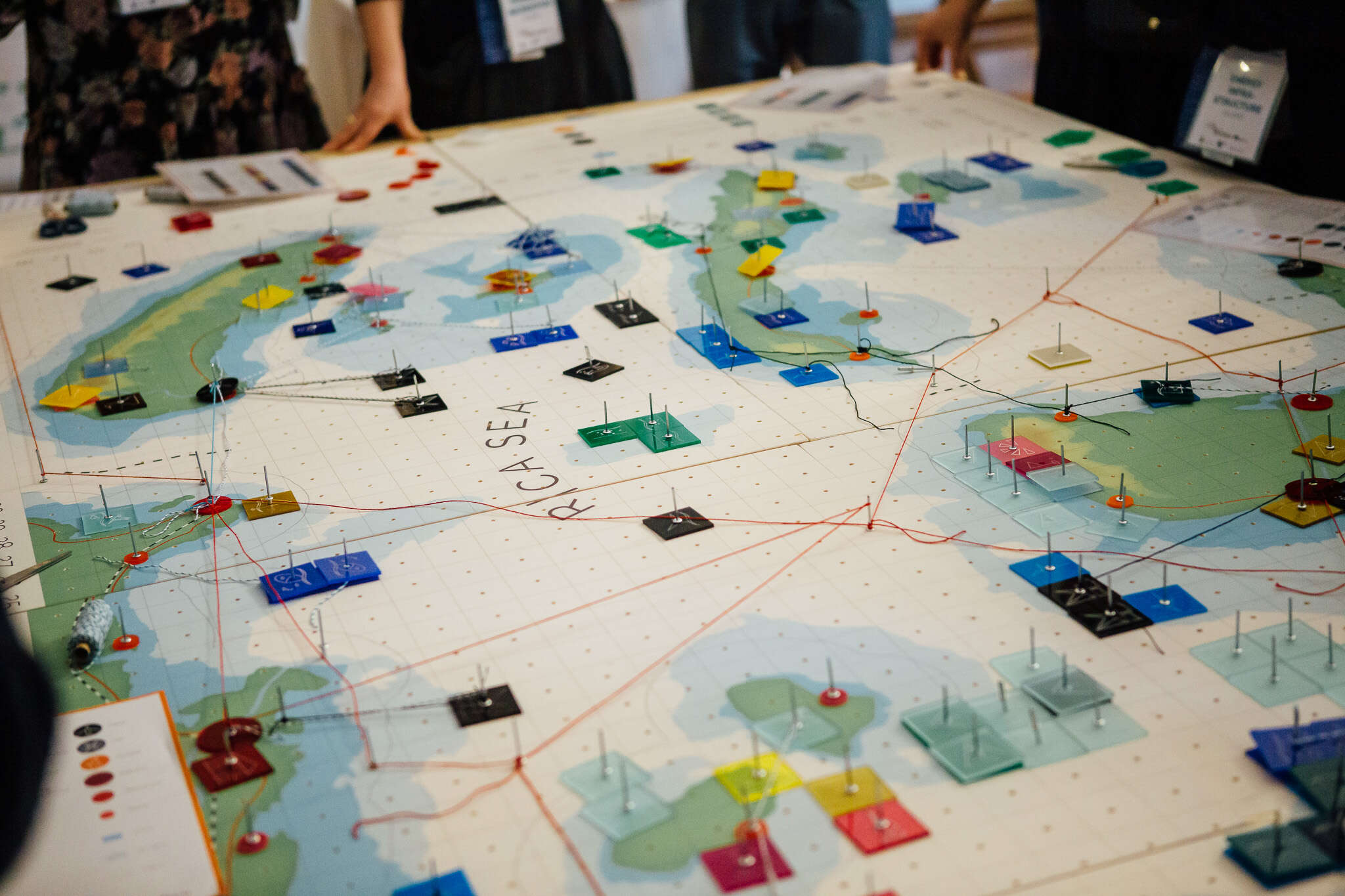
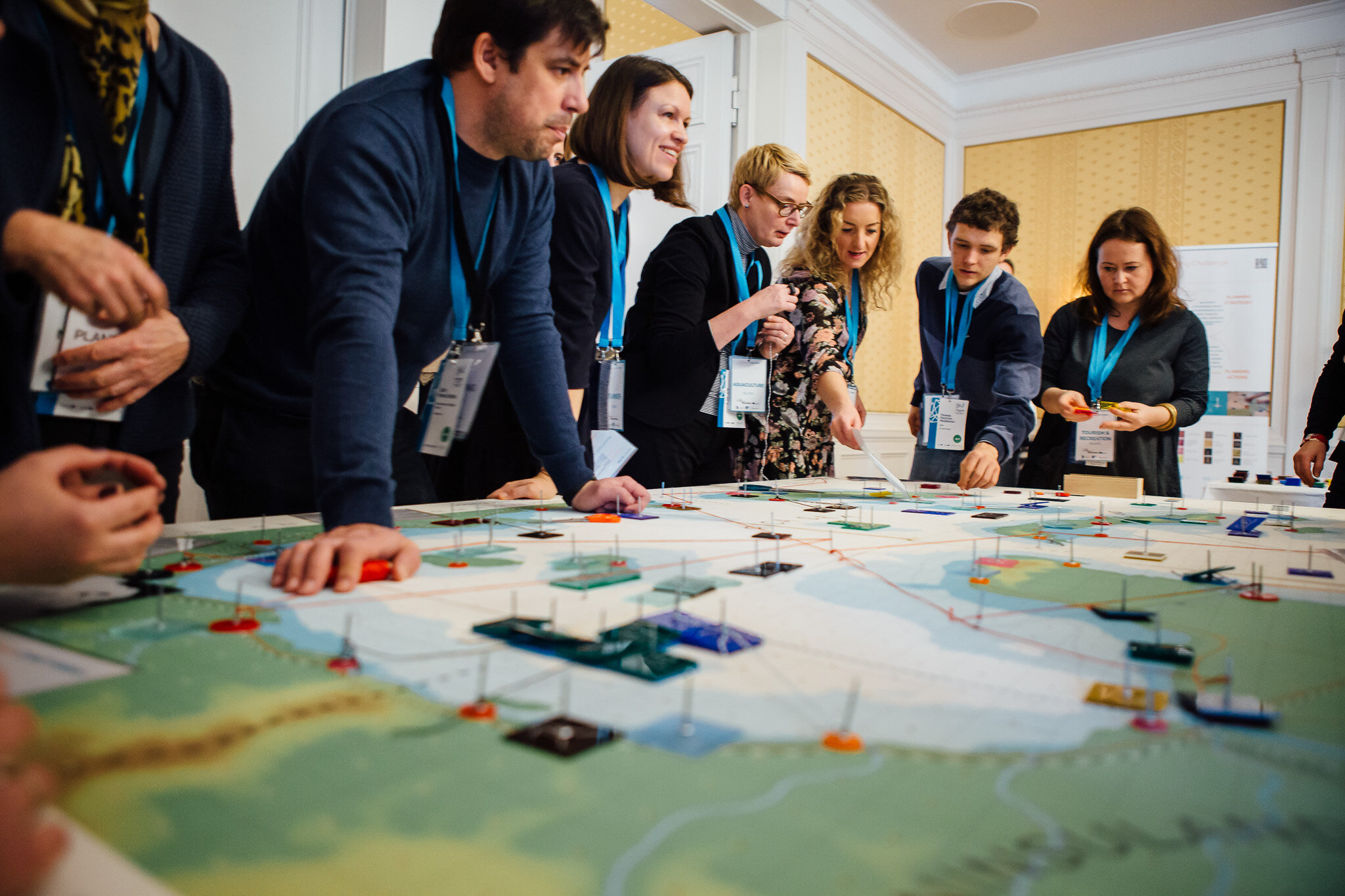
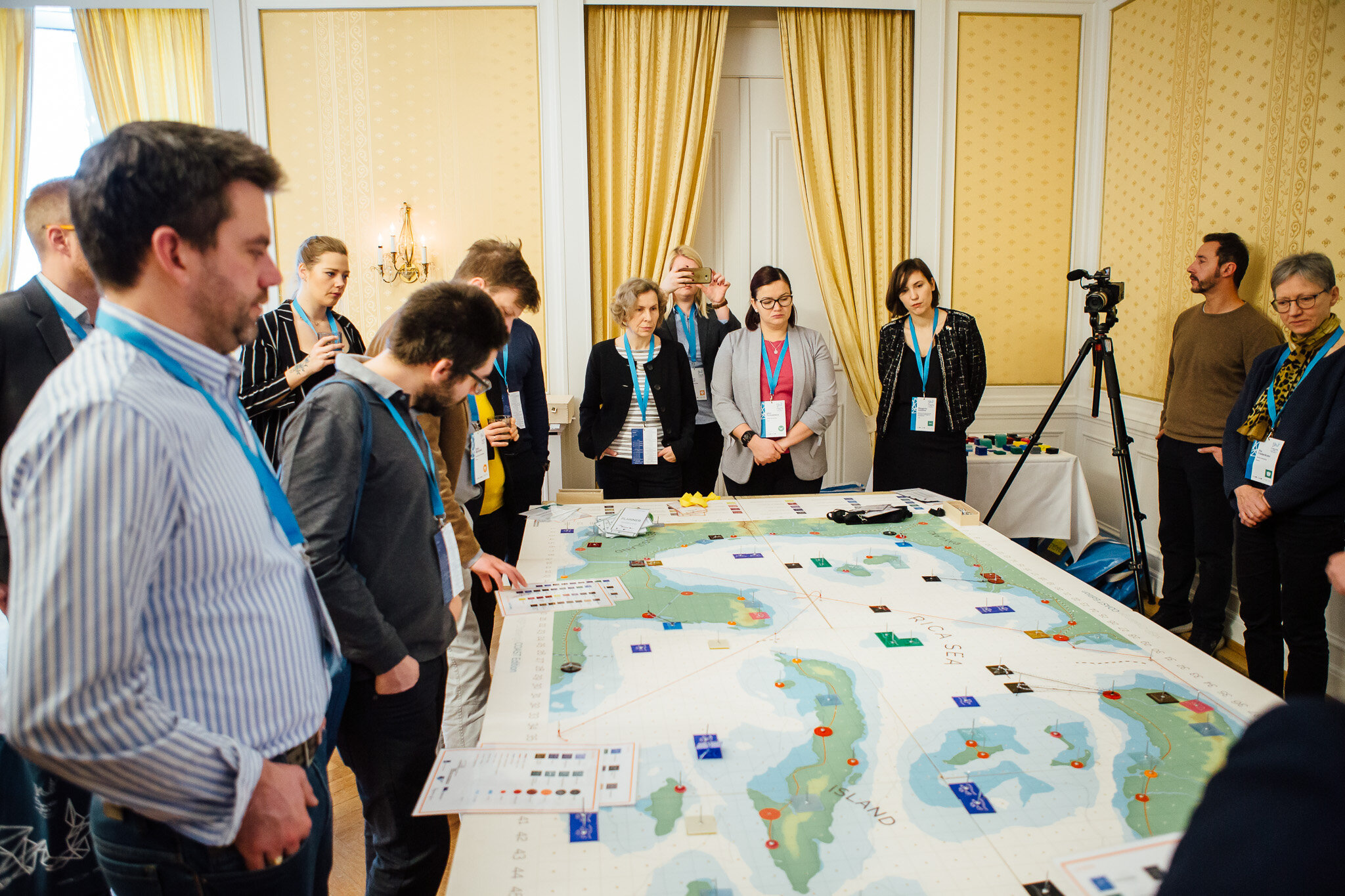
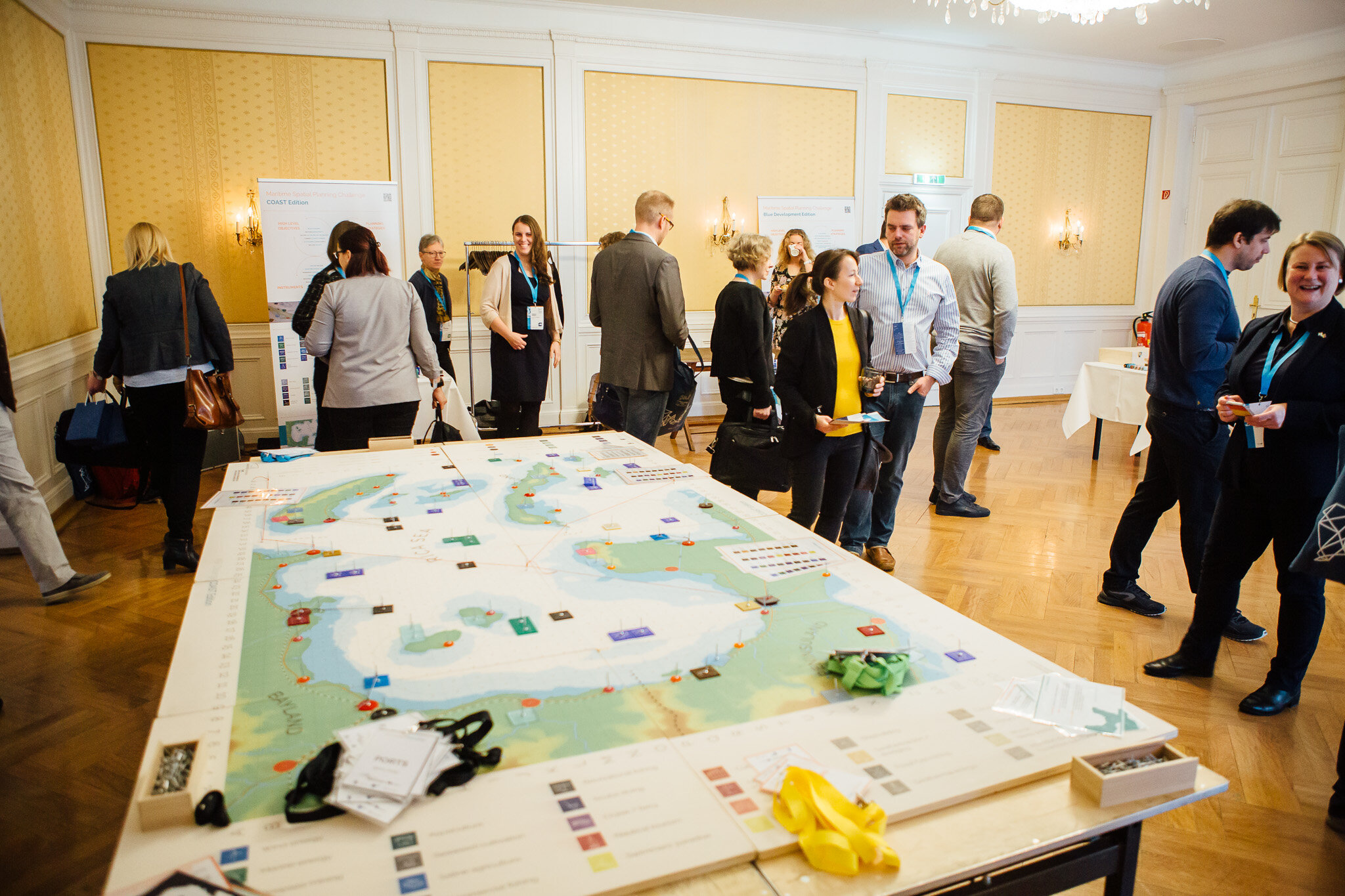
During the second part of the workshop, the participants will develop a Maritime Spatial Plan for the RICA Sea (a fictive sea basin). Participants will take roles of planners, maritime stakeholders (e.g. shipping, offshore wind, fisheries) and NGO’s and experience first hand what it is to be a maritime spatial planner and work with different topics and diverse needs of stakeholders.
You are very welcome to join us and get really involved in MSP atmosphere!
Presentations and speakers
- Stakeholder Involvement in Long-term Maritime Spatial Planning: Latvian Case. Arturs Caune (AC Consultations)
- The ‘Living Q’ – An interactive Method for Actor Engagement in Transnational MSP. Malena Ripken, COAST – Centre for Environment and Sustainability Research, University of Oldenburg, Germany
Other sea uses in MSP
Workshop ‘Other sea uses’

As part of the Connecting Seas Conference, you are invited to participate in a workshop on ‘Other Sea Uses’. These uses are often defined as activities and services of users other than the major sectors, such as energy, shipping or the environmental sector. Some of these are also considered as voices less heard, especially in the maritime economy. This workshop will explore a number of uses taking place in the North Sea and Baltic Sea regions, which are currently investigated by European projects. Different case-studies will give examples ranging from marine cultural heritage to educational aspects in Maritime Spatial Planning.
Through a round-table format, participants will discuss challenges and opportunities of other sea uses in European sea basins. This interactive discussion will also give the opportunity to share experience of participants beyond the scope of this workshop.
Presentations and speakers
- Education in Marine Spatial Planning – Experiences of the Strategic Partnership for Marine Spatial Planning. Kerstin Schiele, Leibniz Institute for Baltic Sea Research Warnemünde
- Integration of Underwater Cultural Heritage into sustainable Maritime Spatial Planning solutions. Dr. Robert Aps (Head of Marine Systems Department at the University of Tartu, Estonian Marine Institute)
- Multi-Use and Underwater Cultural Heritage – experience and perspectives from the Baltic Sea. Sallamaria Tikkanen, Finnish Heritage Agency
Data in MSPs
Workshop ‘Data in MSP’

Why do we need decentralized MSP data access?
Close your eyes. Imagine you are an MSP planner and are working on a plan. You need to search reliable and up-to-date data from your own country. That is important but you need something else: up-to-date data from your neighboring countries. That is the hardest part.
You could use some centralized databases to access regional data aggregations but these systems do not necessarily guarantee that the datasets are up to date. To make sure you have the latest data, you would need to access the original source but where do you search?
In Baltic LINes we have taken the first steps to solve this problem.
We have developed the first map service prototype to access Baltic MSP up-to-date data from the original source. It is based on a Marine Spatial Data Infrastructure (MSDI) utilizing decentralized data hosting and we call it BASEMAPS (BAltic SEa MAP Service).
In this workshop you will:
- Learn from the example of the German and Norwegian SDI to catalogue and distribute national data.
- Learn why and how we developed BASEMAPS, to access MSP data from their original source.
- The best comes here: You will contribute to make MSP data better available by participating in a practical exercise testing the system.
- If you are a MSP planner, GIS specialist, a data provider or belong to an authority that need data to work with MSP this session is for you.
Presentations and speakers
Download by clicking on a presentation title
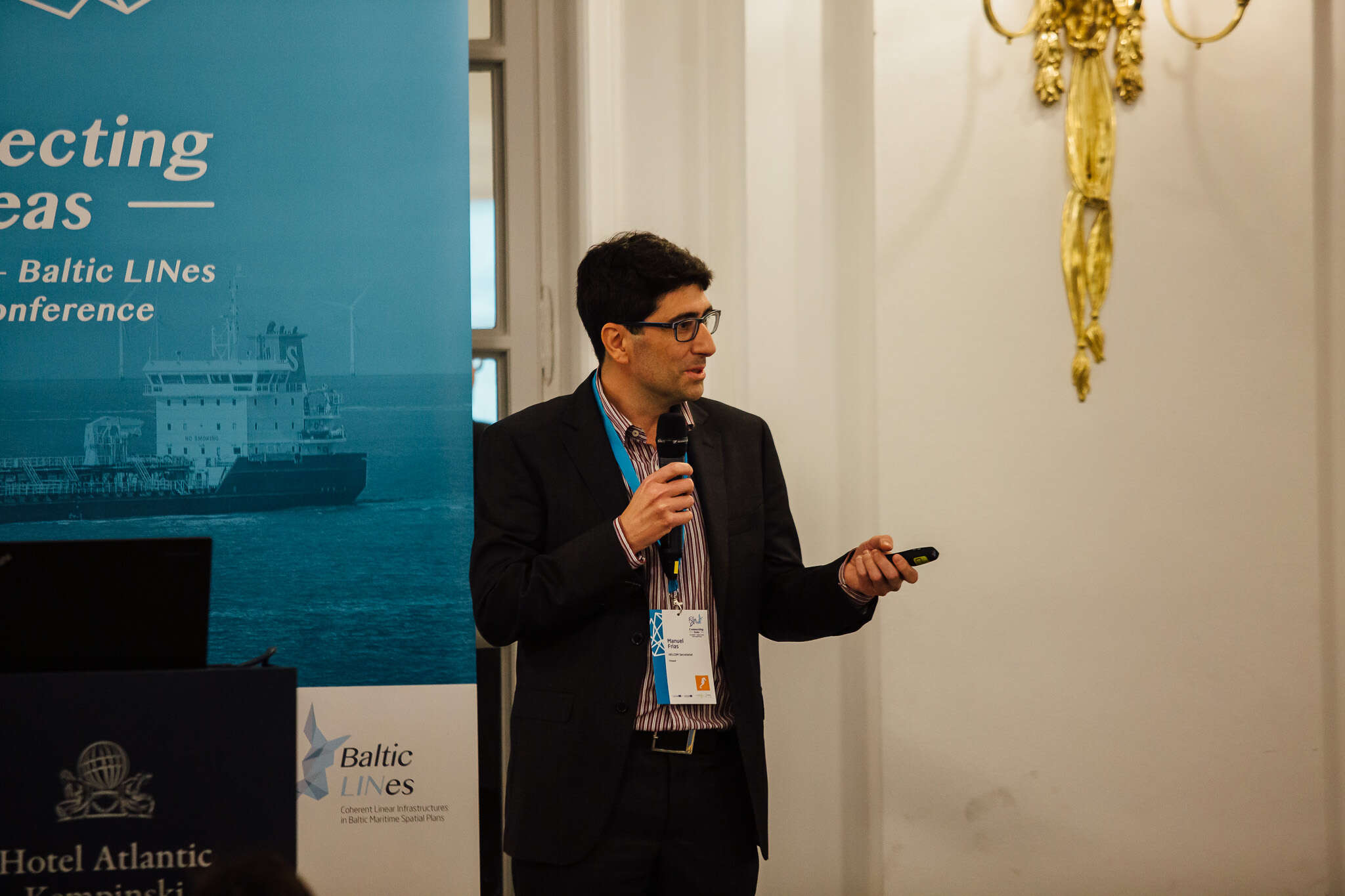
- Getting up-to-date and reliable regional MSP data, dream or reality? Manuel Frias, HELCOM Secretariat; Dr. Henning Sten Hansen, Aalborg University. National data services in Germany. Olaf Gottenstraeter, German Federal Maritime and Hydrographic Agency (BSH)
- Marine Spatial Management Tool. Gerhard Heggebø, Norwegian Mapping Authority
Synergies and conflicts in MSP
Workshop ‘Conflicts, synergies and multi-use in MSP’

Presentations and speakers
Download by clicking on a presentation title.
- Introduction to the conflicts and synergies in MSP. Angela Schultz-Zehden, s.Pro-sustainable projects
- Conflicts & Synergies encountered during Estonian MSP processes when planning Offshore wind energy. Triin Lepland, Estonian Ministry of Finance
- Multi-use community of practice and examples from the Netherlands. Nathalie Scheidegger, Dutch Ministry of Agriculture, Nature and Food Quality
- Insights from the Polish MSP process. Jacek Zaucha, Maritime Institute in Gdansk
- Ports and offshore wind farms – what are the synergies? Vincent Onyango, University of Dundee
- How to plan for mutual benefit: Can offshore wind farms and fisheries co-exist in Scotland? Andronikos Kafas, Marine Scotland
After an introduction by the host Ms Ivana Lukic of s.Pro, Ms Angela Schultz-Zehden also of s.Pro drew on the results of two recent studies to discuss the issue of whether MSP has delivered on the promise to resolve all conflicts at sea as was frequently publicised in the early days of MSP. The two studies are the 2018 EU MSP Platform study showcasing approaches to conflict resolution through MSP, and case studies from the MUSES project that ran between 2016 and 2018 and looked at multi-uses in all European seas, considering not only conflicts but also synergies.
Key findings from the studies suggest that:
- conflicts proper are extremely rare, in most cases one has to deal with disagreements and incompatibilities
- early MSP processes are still dealing with conflict mitigation as a legacy from previous management decisions, and not yet focusing on conflict prevention, which is what MSP is probably best geared to do;
- prevention requires foresight about future uses in the ocean, which is often problematic;
- conflicts may turn into synergies and possibilities, and conflicts in one setting might actually be synergies in others.
The perception of a conflict differs between sectors and individuals, each regarding the relevant issues underlying the conflict differently, depending on their perspective about the environment, sector priorities/needs and risks. No particular sector has been shown to be more prone to conflicts than another, and the manner in which conflicts are resolved depends also on the political priorities in the country.
An important point that was later picked up by Mr Jacek Zaucha of the Maritime Institute of Gdansk was that many of the approaches to resolving conflicts are not spatial, and hence conflicts cannot be resolved with the help of MSP. Other policy and legal instruments become necessary and come into play in such cases. Mr Zaucha observed in this regard that MSP can be useful to make a conflict and a possible solution to it visible to all parties involved, and thereby facilitate the way towards a solution.
Drawing on the experience of the Polish MSP process, Mr Zaucha observed that some conflicts can be resolved by changing the perceptions of people involved. In such cases conflict resolution is more difficult and takes longer time, as it involves changing beliefs and perceptions of those involved. In Poland this has involved intensive awareness raising about what MSP is about with particular stakeholder groups. However, Mr Zaucha observed that vested interests remain a hinder in many contexts, and irrespective of how much stakeholder dialogue is done conflicts may prevail.
Ms Schultz-Zehden also observed that multi-use of the ocean is the opposite of exclusive rights, and that it may involve explicit measures to promote and plan for coexistence, an idea that was also discussed by Ms Nathalie Scheidegger of the Dutch Ministry of Nature, Agriculture & Food Quality. Referring to the work of the Community of practice on multi-use on the ocean – a multi-stakeholder platform involving 160 organisations from different sectors, dedicated to developing practical solutions and sharing experience of multiple use of the ocean – Ms Scheidegger presented some examples of specific blue economy projects based on synergies between sectors. She highlighted the fact that through the community of practice small initiatives are finding ways of collaborating with bigger ones, with mutual benefits.
The relevance of adopting a proactive approach to developing multi-use solutions was also the topic of the intervention by Mr Vincent Onyango of Dundee University. Picking on the idea that where there is conflict there is also opportunities, he presented the case of the provision of offshore renewable energy to berthed ships as an example of how the purposeful exploration of a multi-use opportunity might result in benefits at multiple levels if only stakeholders proactively seek ways of exploring potential synergies. In the example given, offshore wind energy can be used to power berthed ships and excess energy can be used power electric vehicles, with benefits in terms of reducing particle and greenhouse gas emissions, leading to lowered risks to human health.
Mr Andronikos Kafas of Marine Scotland discussed the attempt by the Scottish government to promote fisheries inside wind farms. Despite incentives to wind energy operators, several barriers persist, such as wind energy and fisheries operators having to devote most of their attention and resources to sector-specific matters, inadequate litigation and compensation schemes for combined wind energy and fisheries, and inefficient stakeholder engagement processes that do not enable trust building among the two sectors.
Ms Triin Lepland of the Ministry of Finance of Estonia presented two cases of local pilot marine plans in Hiiu and Pärnu counties. In the latter case the plan for offshore wind development had been ruled against in court because of it going against Natura 2000 regulations in the area, after a complaint files by a local NGO. Drawing on lessons learned from that case government has improved communication about the aims of the plans, and the results of environmental assessments of wind farms in order to avoid future litigation.
Future trends and scenarios
Workshop ‘Future scenarios’

Where do we want to be in the future?
Shipping is one of the most economically important sectors using both the North and the Baltic Sea, but it is not the only one. Another ‘traditional’ sector is fisheries, which is a very dynamic sector changing the location of its activities continuously. Nature protection as well as marine tourism and recreation has started to claim larger portion of the marine space but the most visible is recent increase of demanded for generating and transferring the renewable energy at sea. And all these uses cannot always coexist with each other.
Maritime Spatial Planners need to integrated the spatial demands of the shipping and energy sectors in their plans. They can do this by designating specific space in their spatial plans by creating the priority or reservation areas. Most important however is that the spatial plan is not only taking into account the current patterns but should also accommodate future sectors’ interest.
This means that planners need to understand how much marine space potentially is necessary on which location, for example, in 2030 or 2050 for various sea uses. While this is hard to determine such thinking can be informed by scenarios discussing what might happen under certain circumstances and where this might occur. An example is autonomous shipping. Planners must understood what does this mean in spatial terms: more or less space, lesser of bigger conflicts with other uses etc?
Both projects – Baltic LINes and NorthSEE – had deeply analysed the shipping and energy (both production and transfer) trends, demands and challenges facing maritime spatial planning.
We want to share with you our findings, quarell a bit on facts, verify them, brainstorm on future and try to translate them into spatial consequences.
Join our session and help us to understand!
Presentations and speakers
Download by clicking on presentation title
- Future of shipping. Magda Matczak, Maritime Institute in Gdansk and Kirsty Wright, Marine Scotland
- Strategis partnership for Marine Spatial Planning. Kerstin Schiele Leibniz-Institute for Baltic Sea Research Warnemünde and Malena Ripken, Germany COAST – Centre for Environment and Sustainability Research, University of Oldenburg
- PROgress on Meshed HVDC Offshore Transmission Networks (PROMOTioN). Ceciel Nieuwenhout, Groningen Centre of Energy Law, University of Groningen
Multi-level governance
Workshop ‘Multi-level governance’

Nothing says “Romance!” like the idea of ‘multi-level governance’ in relation to Maritime Spatial Planning!
OK – maybe not, but come and spend the day before St. Valentine’s Day with colleagues who are trying to create a harmonious relationship between different interests involved in the sustainable use and development of marine resources in the Baltic and North Sea.
Good communication is the foundation for positive relationships and this workshop will address the lessons learned from the Baltic LINes projects on transboundary consultations and the NorthSEE initiative’s assessment of the role of Regions in marine planning as well as will explain the first findings of assessing the application of the Baltic Sea Common Regional MSP Framework.
Additionally, so no-one can be accused of not listening to their partners as this special day approaches, come and give us the benefit of your experiences on what we can learn from each other across sea basins and how we can best make use of the projects’ recommendations in real life. And, as we start to contemplate life beyond the implementation of the MSP Directive’s requirements in 2021, what should be the topics that we address beyond that date, allowing our coastal and marine resources to have a ‘happy ever after’ future?
We look forward to spending this day with you!
Presentations and speakers
- Baltic LINes project recommendations on transboundary consultations on linear infrastructure within the MSP process. Maciej Matczak (Modal Concept)
- Assessment of the application of Baltic Sea Common Regional Maritime Spatial Planning Framework. First Findings.Kristina Veidemane (BEF Latvia); Alda Nikodemusa (VASAB Secretariat)
- NorthSEE initiative’s Assessment of the Role of Regions in Marine Planning. Rhona Fairgrieve (Scottish Coastal Forum); Yolanda Schmal (Marine Resources Group NSC CPMR – North Sea Commission)
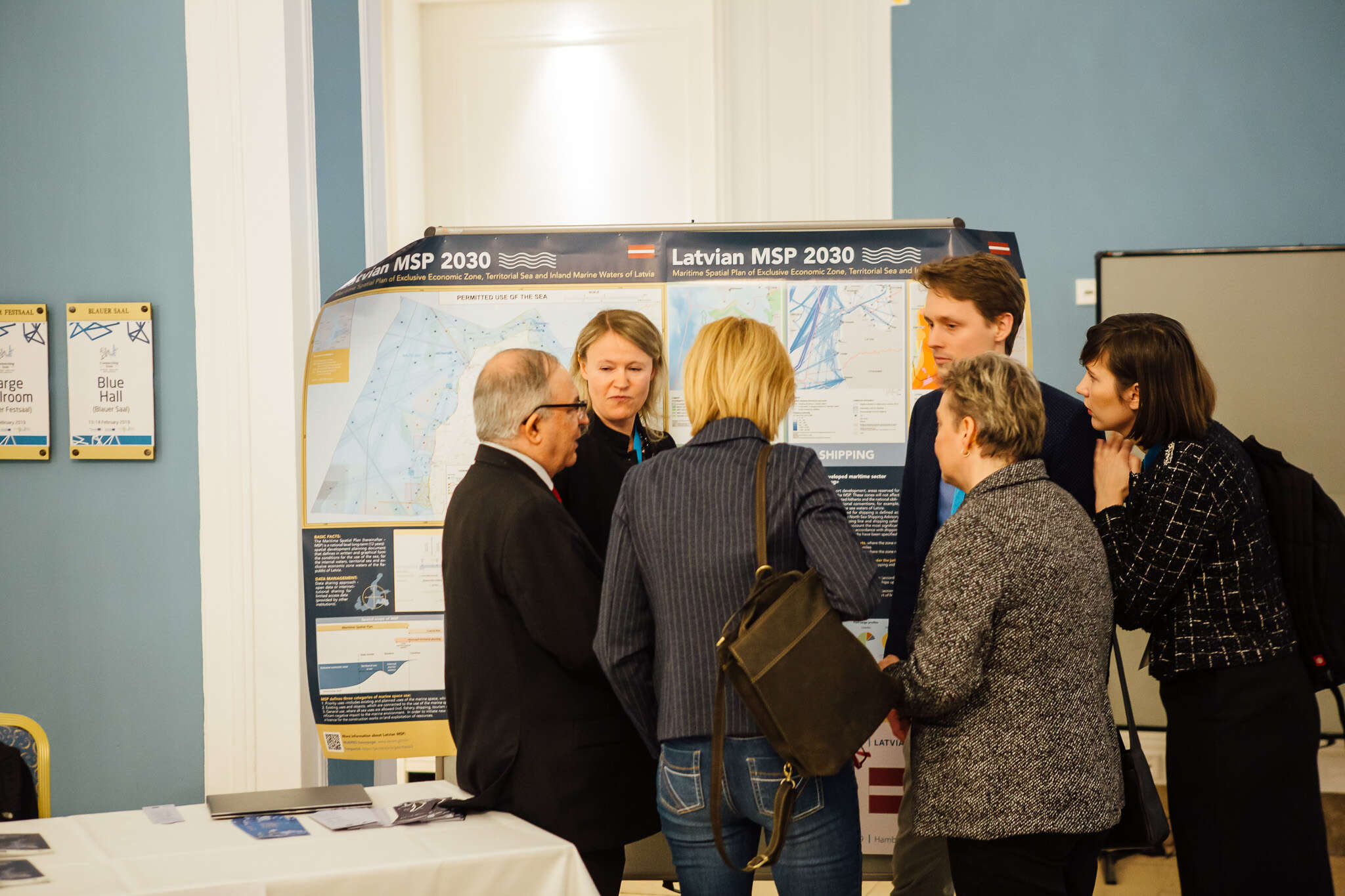
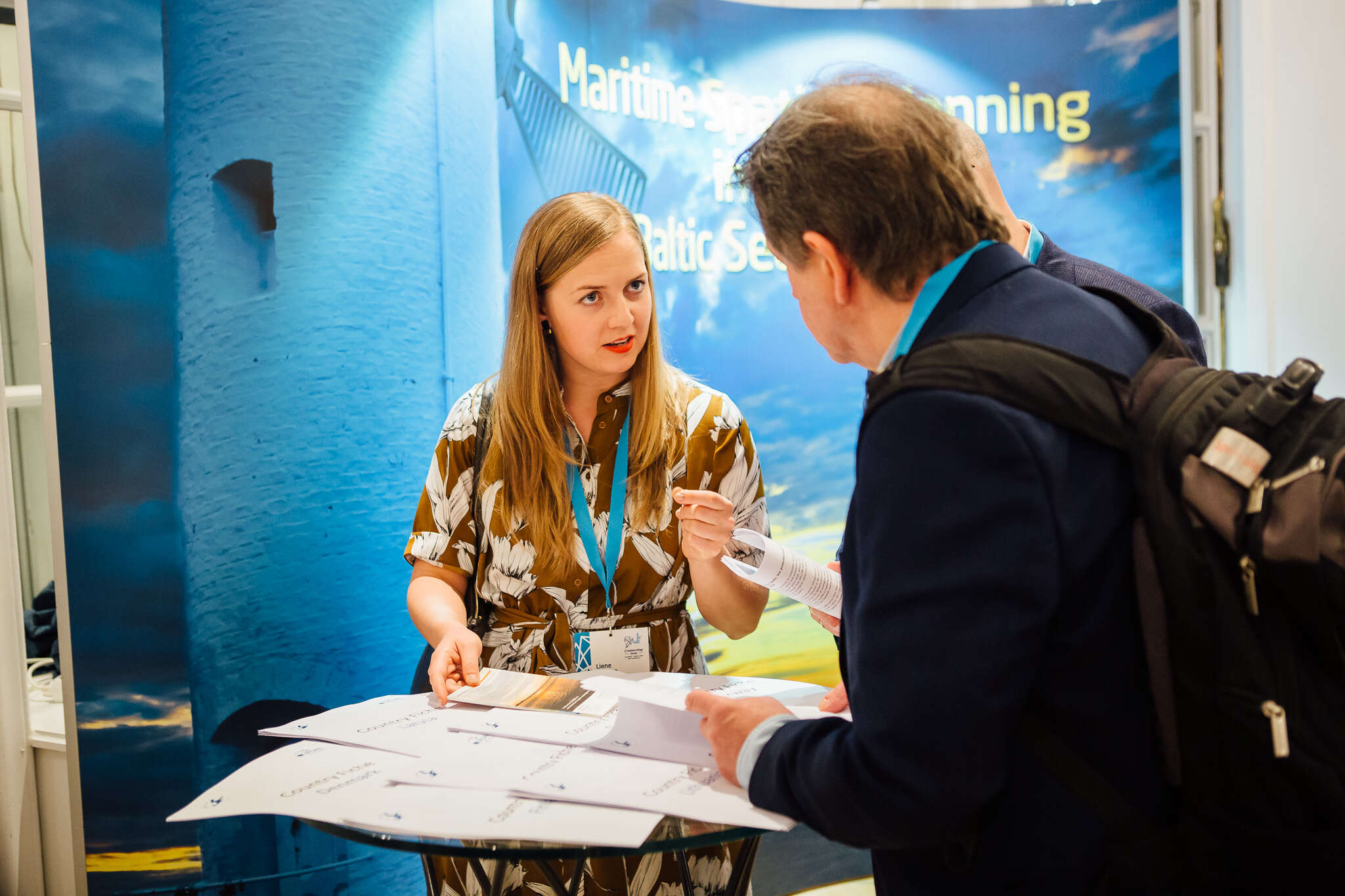
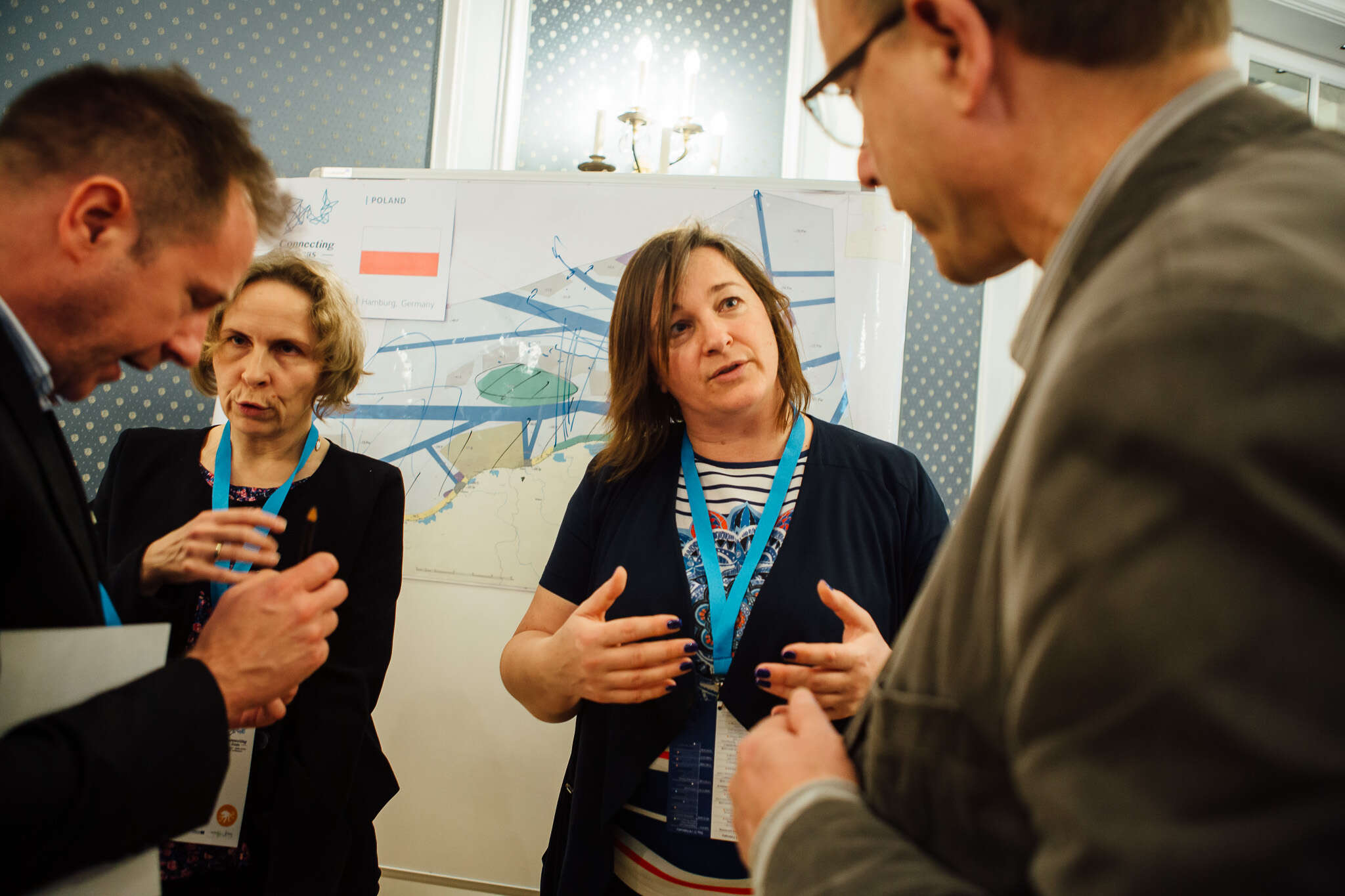
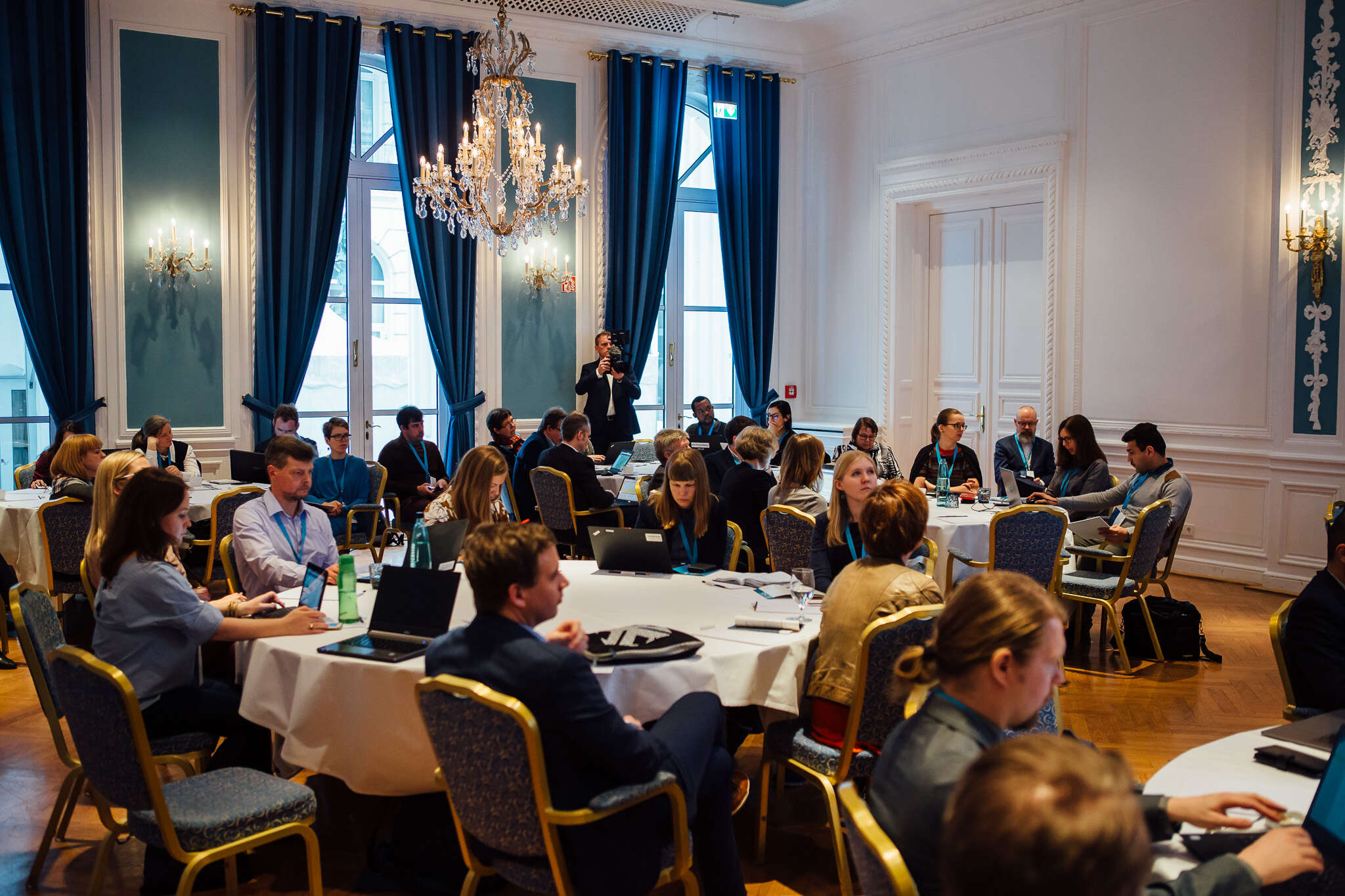
Conference in one picture

Conference video
Photo gallery